




Diving & Snorkeling in Kosrae: Reefs, Wrecks & Marine Life
When I stepped off the small prop plane at Kosrae International Airport, the air felt warm and salty, the kind of humidity that clings to your skin for days. I was alone, a backpack and a sense that the island would be both remote and surprisingly welcoming.
Arriving in Kosrae & Getting Around

The only commercial flights land from Honolulu or Guam; a round‑trip ticket from Honolulu usually sits around $600, while Guam can be a bit cheaper at $500 but requires a longer layover. The flight itself is just under two hours, and the plane touches down on a runway that feels more like a long strip of concrete than a major airport.
U.S. citizens don’t need a visa, just a passport that’s valid for six months beyond your departure date. I got a stamp, paid a $35 departure tax at the terminal, and was free to wander.
Renting a car is the easiest way to explore the island’s coastal roads; the main agency on the airport charges $70 a day for a compact 4WD, which is advisable because some reef‑access roads are gravel and get slick after rain. Fuel is about $4.30 per litre, and I found that filling up every two days kept the tank from getting too low on the winding routes.
If you prefer not to drive, taxis are available but they charge a flat $5 for a short hop to the dive shop and $15 for a round‑trip to the southern tip where the wreck sites sit. I tried haggling a bit and saved a couple of dollars, but the drivers are friendly and usually happy to wait while you load gear.
- Flight from Honolulu: $600 round‑trip, 2‑hour flight.
- Visa: none for U.S., passport valid 6 months.
- Car rental: $70/day, 4WD recommended.
- Fuel price: $4.30/Litre.
- Taxi to dive shop: $5 one‑way.
Dive Operators, Gear & Certification
Two dive shops dominate the scene: Kosrae Dive Center on the east coast and Oceanic Dive Resort on the west. Both are family‑run, with the same crew rotating between the two sites, so you’ll see familiar faces whether you book a morning or an afternoon dive.
Pricing is transparent. A two‑tank day with Kosrae Dive Center is $85, which includes tank refill, a brief safety check, and a light lunch of rice and fish. Oceanic charges $120 for the same package but throws in a guided reef walk and a complimentary reef‑safe sunscreen.
If you need certification, both shops run the PADI Open Water course over three days for $350. The classroom is a modest room with a whiteboard, the pool is a small 4 × 2‑metre tank, and the final open‑water dive takes place at the shallow reef near the hotel.
Equipment rentals are solid; tanks are 12 L steel cylinders, regulators are serviced weekly, and Nitrox 32% refill costs $12. I tried a local dive computer for $30 a week; it worked fine, but I still prefer my own watch‑style dive computer for familiarity.
One quirk: the dive shop’s internet is spotty, so I downloaded all my dive logs offline before arriving. The Wi‑Fi at the hotel is decent enough for uploading photos in the evenings, but don’t count on streaming video during a dive.
- Kosrae Dive Center: $85 per two‑tank day.
- Oceanic Dive Resort: $120 per two‑tank day, includes sunscreen.
- PADI Open Water: $350, 3‑day course.
- Nitrox 32% refill: $12.
- Rental regulator: $5 per day.
Reef Dive Sites You Can’t Miss

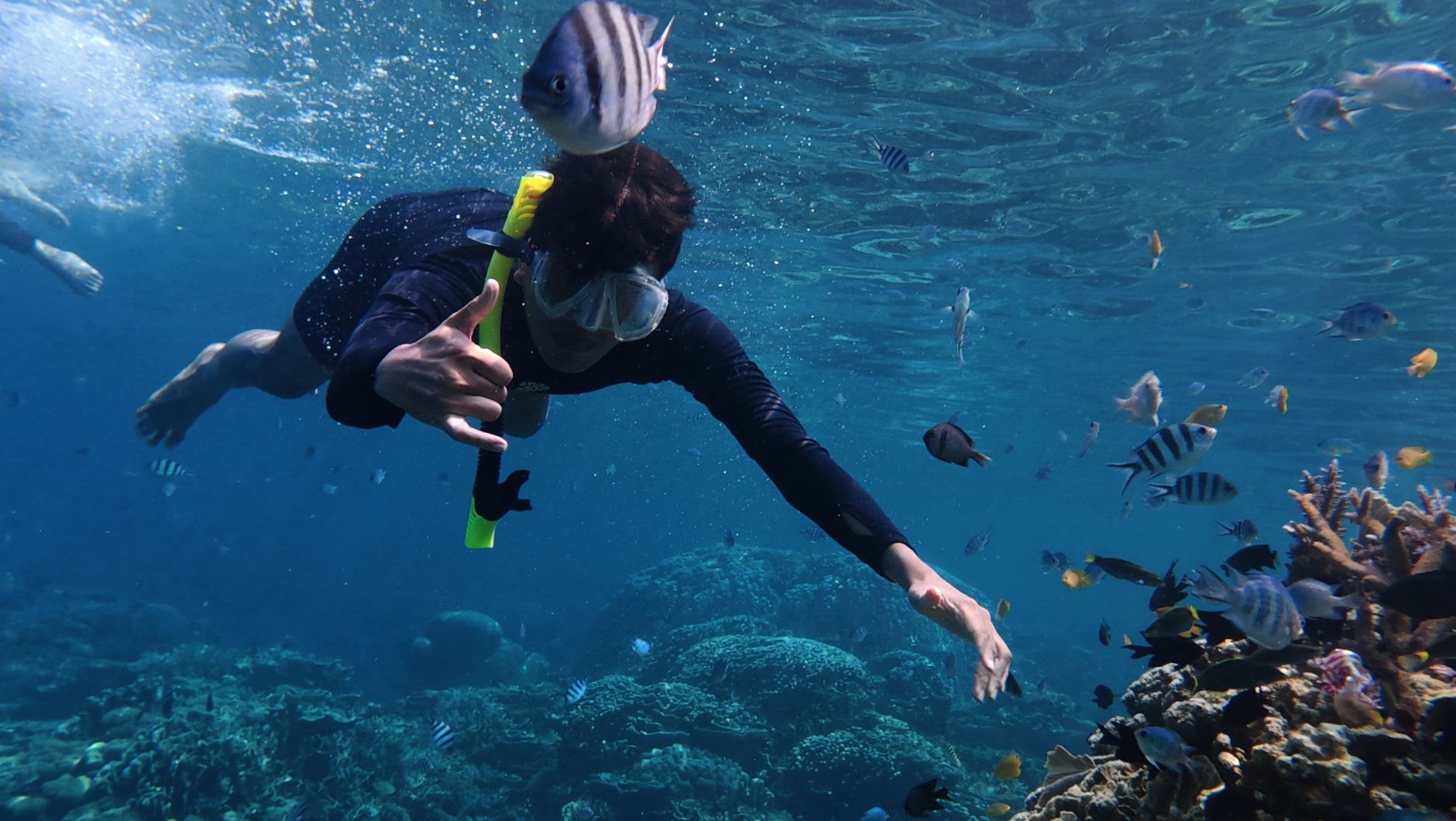
Lelu Reef sits just a 10‑minute boat ride from the main dock and offers a gentle slope from 5 to 12 metres. I saw green sea turtles grazing on the sponges while a school of yellowtail fusiliers darted overhead.
Mweilnok is a bit farther out, about 20 minutes by boat, and drops to 20 metres with a wall of hard coral that’s covered in bright orange zoanthids. This is where I caught a glimpse of a napoleon wrasse, its massive body gliding like a shadow.
Bwebwet is a drift dive that starts at 15 metres and carries you out to a deeper plateau at 30 metres. The current can be strong in the afternoon, so most operators schedule this dive for early morning when the water is calm.
Visibility is generally 15 to 25 metres during the dry season, which runs from December through April. I found the water a little murkier in June, but the marine life was still active, especially the nocturnal crabs that pop out at night.
Each site has a small reef‑monitoring sign posted by the local conservation group; they list the dominant species and a reminder to never touch the corals. I appreciated the effort, and it helped me remember to stay at a respectful distance.
- Lelu Reef: 5‑12 m, turtles, easy entry.
- Mweilnok: 20 m wall, napoleon wrasse.
- Bwebwet drift: 15‑30 m, strong currents.
- Best visibility: Dec‑Apr, 15‑25 m.
- Reef‑monitoring signs: species list, no‑touch reminder.
Wrecks and Lesser‑Known Depths
The most talked‑about wreck is the USS Pigeon, a 120‑foot cargo ship that sank in 1944 after a torpedo hit. It rests at about 30 metres near the southern tip, and the dive is classified as advanced because of the occasional surge.
I went with Oceanic’s guide who wore a bright orange buoy to mark the entry point. The wreck is still largely intact; the bow is covered in soft coral, and you can see the old cargo hatch open like a mouth.
Schools of barracuda and occasional reef sharks patrol the wreck’s shadow, making it a thrilling spot for photographers. I managed a few shots of a grey reef shark gliding past the stern, which was the highlight of the trip.
If you’re looking for something quieter, the “Mokil” reef is a hidden drop‑off that drops to 40 metres and is less frequented. The water there is crystal clear, and you’ll often see giant clams and occasional manta rays cruising the edge.
Both sites require a dive flag and a surface marker buoy, and the dive shop provides them for a $5 deposit. I learned the hard way that forgetting the flag can cost you the dive, as the local boat traffic is busy during the high season.
- USS Pigeon wreck: 30 m depth, advanced dive.
- Mokil drop‑off: 40 m, less traffic.
- Flag & buoy deposit: $5.
- Best wreck dive time: early morning, low surf.