


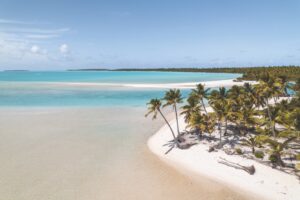

Kosrae Travel Guide: Exploring Micronesia’s Hidden Island Paradise
Landing on Kosrae feels like stepping into a quiet postcard. The island is the second smallest state in the Federated States of Micronesia, yet its cliffs, waterfalls and coral gardens feel larger than life. I spent a week here in March, and the details below come from that stay.
Getting There

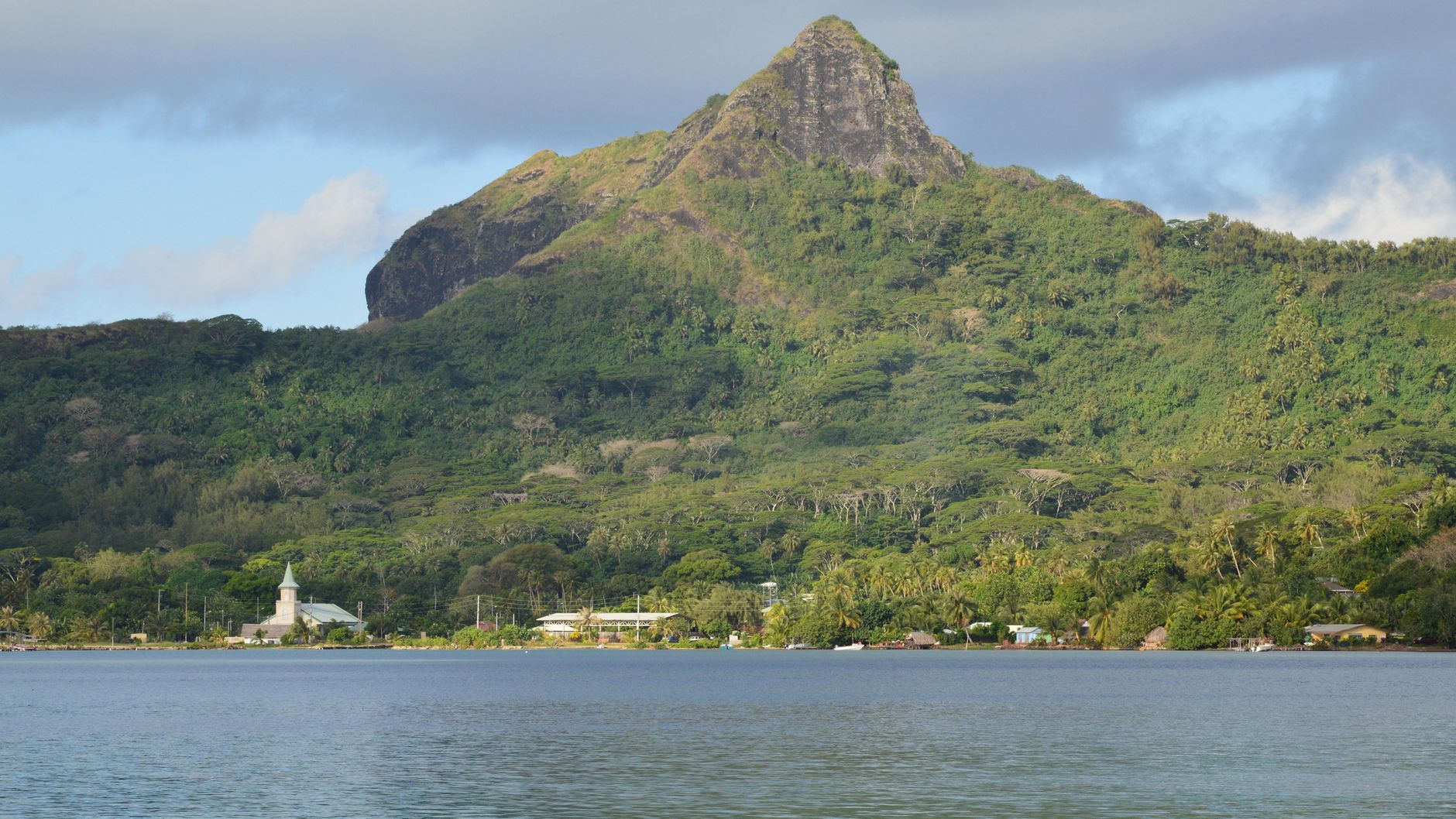
The most common route is a two‑leg flight from Honolulu to Guam, then a short hop to Kosrae. United and United Airlines code‑share with local carrier Pacific Island Air, so you’ll book the whole trip on one ticket.
Flights leave Honolulu on Tuesdays and Saturdays, arriving in Guam early afternoon. The connection to Kosrae departs about three hours later, giving you enough time to stretch, grab a snack, and check the boarding gate.
- Round‑trip airfare from the U.S. mainland averages $1,200-$1,500, depending on season.
- Flight time: Honolulu to Guam 8 hours (including layover), Guam to Kosrae 45 minutes.
- Visa: U.S. citizens receive a free 30‑day entry stamp on arrival.
- Travel insurance that covers medical evacuation is strongly recommended; the nearest hospital with full services is on Pohnpei, a 2‑hour flight away.
- Bring a printed copy of your itinerary; the local airline’s website can be spotty on the island.
Where to Stay
Kosrae offers a handful of hotels, a few family‑run guesthouses, and one campsite near the beach. The most reliable option for most travelers is the Kosrae Resort, which sits on the lagoon’s western edge.
The resort rooms are modest but clean, with air‑conditioned fans and private verandas that overlook the water. If you prefer a more intimate vibe, try the Lelu Guesthouse; the owners cook fresh fish each night and can arrange boat trips.
- Kosrae Resort: $150‑$180 per night, includes breakfast and Wi‑Fi.
- Lelu Guesthouse: $90‑$110 per night, meals optional.
- Campsite at Nanwan: $20 per night, bring your own sleeping pad.
- All accommodations require a $50 deposit, refundable upon checkout.
- Book at least three weeks ahead during the dry season (December-April) to secure a room.
Getting Around
There is no public bus system, so most visitors rent a vehicle. The airport’s rental desk offers compact cars, 4‑wheel‑drive trucks and scooters.
I chose a small Toyota Corolla for $55 a day; it handled the paved coastal road and the occasional gravel stretch without complaint. Fuel is sold by the litre at $1.40, and stations are spaced about 15 km apart.
- Car rental: $45‑$70 per day, insurance extra $12 per day.
- Scooter rental: $30 per day, good for short trips along the main road.
- Taxi service: $10‑$15 for a one‑way trip to Lelu ruins, but availability can be limited after 6 pm.
- Driving side: left‑hand traffic, same as the U.S.
- Bring a spare tire; the island’s mechanics can be hard to reach in remote areas.
Top Natural Attractions
The island’s coastline reads like a guidebook of hidden gems. I started at Nanwan Beach, where the sand is powdery white and the water stays warm enough for a swim at any hour.
Further north, the Lelu Ruins rise from a forested hill, offering a glimpse of the ancient Saudeleur dynasty. The climb is steep, but the view of the lagoon below makes the effort worthwhile.
For a waterfall fix, head to the Kosrae State Museum’s nearby trail and you’ll find the 30‑meter high Siahsu Falls cascading into a jade pool. The trail is well‑marked, though the last 200 m can be slippery after rain.
- Nanwan Beach: free entry, excellent snorkeling, lifeguard on duty weekdays.
- Lelu Ruins: $5 entrance fee, guided tours available for $15.
- Siahsu Falls: 2‑hour hike, bring water shoes.
- Mount Finkol: 3‑hour trek to the highest point (1,235 ft), sunrise is spectacular.
- Ulapik Bay: kayak launch site, rent a kayak for $25 per day.
Activities and Culture

Snorkeling around the reef is the island’s signature pastime. I joined a local crew that used a small motorboat to drift past coral gardens teeming with parrotfish, moray eels and occasional sea turtles.
Kayaking through the mangroves near the village of Orolik gave me a quiet glimpse of mangrove crabs and the occasional dolphin surfacing ahead. The locals were happy to share stories about traditional navigation.
Evening cultural nights at the community center showcase yapong dancing and a feast of kelp, taro and fresh tuna. The performances are free, but a small donation of $2 helps cover costs.
- Snorkel tour: $70 per person, includes gear and a guide.
- Kayak rental: $25 per day, helmets provided.
- Village visit: arrange through the tourism office, no fee but bring a small gift.
- Cultural night: free, arrive early for good seats.
- Souvenir shopping: local woven baskets cost $12‑$20.
Practical Tips
The island’s climate is warm and humid year‑round, so lightweight, quick‑dry clothing is a must. I packed a long‑sleeve shirt for sun protection and a lightweight rain jacket for sudden showers.
Cash is king; most places accept only U.S. dollars, and ATMs are limited to the airport and the resort. I withdrew $300 on arrival, which covered meals, fuel and a few souvenir purchases.
Internet access is spotty outside the main town, but the resort’s lobby offers reliable Wi‑Fi for about $5 a day. If you need a reliable connection for work, plan to use the lobby or the tourism office’s computer lab.
- Pack reef‑safe sunscreen (avoid oxybenzone), bug spray with DEET, and a reusable water bottle.
- Bring a power adapter (U.S. type A/B works, voltage 120 V).
- Medical kit: pain relievers, antihistamines, and any prescription meds.
- Travel time: allow an extra half‑day for flight connections; weather can cause delays.
- Respect local customs: remove shoes before entering homes and ask before photographing people.
Kosrae may not appear on every travel brochure, but its quiet beaches, friendly faces and unspoiled nature make it a rewarding escape. With a little planning and an open mind, you’ll leave the island feeling refreshed and eager to return.