





Pohnpei’s Waterfalls & Natural Wonders: A Guide to Exploring the Island
When I first stepped off the plane at Pohnpei International Airport, the humidity wrapped around me like a warm blanket and the scent of damp earth rose from the jungle beyond. I had a week, a rented scooter, and a list of waterfalls that locals kept mentioning in half‑laughing whispers.
This island isn’t on most mainstream itineraries, which is why the waterfalls feel like secret rooms in a house you didn’t know you owned. Below is how I threaded together transport, food, and the hikes so you can follow the same watery trail without getting lost.
Getting There and Getting Around

The only commercial gateway is the weekly Air Marshall Islands flight from Guam, which lands mid‑morning on Tuesdays and Saturdays. I booked the $280 round‑trip ticket three months ahead; seats fill up fast because the plane only holds 30 passengers.
From the tarmac, a short walk brings you to the taxi stand. The driver’s price for a 15‑minute ride into Kolonia is $5, and they’ll happily wait while you load your gear.
If you plan to chase waterfalls on your own schedule, renting a scooter is the cheapest option. Local shops charge $12 per day, $65 for a week, and they’ll give you a map that’s more doodles than directions.
Roads are a mix of paved and gravel; the scooter handles the latter with a little wobble, especially after a rainstorm. I learned the hard way that the brakes squeal on the steep climb to the Sokehs plateau, so keep your speed low.
Public buses exist, but they run only twice daily between Kolonia and the outer villages, and they’re packed with schoolchildren. If you’re on a tight budget, catching the 7 am bus to Madolenihmw and hopping off at the waterfall turn‑off works, but be ready for a 20‑minute walk on a muddy trail.
- Air Marshall Islands flight: $280 round‑trip, Tuesdays & Saturdays.
- Scooter rental: $12/day, $65/week, includes basic map.
- Taxi from airport: $5 for 15 minutes, negotiate return fare.
- Public bus: $1.50 each way, limited schedule.
- Bring a waterproof bag for electronics; humidity is relentless.
Kolonia Base and Essentials
I chose to stay at a guesthouse on the edge of the town market; the room cost $45 per night, included a hot shower and a fan that barely moved the air but was better than nothing.
The market is where you’ll find fresh taro, banana leaves, and the best coffee on the island, served in a tin cup for $2. I bought a kilo of dried fish for $6 to snack on during hikes.
For water, I filled a 2‑liter bottle at the guesthouse tap; the water tastes metallic but passes a simple filter. Bottled water is $1 for a 500 ml bottle at the market, but you’ll waste money buying it on the trail.
Internet is spotty; the guesthouse offers Wi‑Fi for $3 per day, but the connection drops whenever a storm rolls in, which is almost daily in the afternoon.
One tip that saved me a lot of hassle: ask the owner for a spare mosquito net. The rooms come with one, but the netting is thin and tears easily when you move it around.
Before heading out, I stocked up on a small first‑aid kit, band‑aids, antiseptic wipes, and a tin of ibuprofen, for the inevitable scrapes on the uneven paths.
- Guesthouse: $45/night, fan, hot shower, optional Wi‑Fi $3/day.
- Market meals: $5-$10 for a hearty plate of fish and taro.
- Water: tap water filtered, $1 for 500 ml bottled.
- Mosquito net: ask for spare, replace if torn.
- First‑aid: pack band‑aids, antiseptic, ibuprofen.
Nan Madol and the Nearby Waterfalls
Nan Madol, the stone city on the lagoon, sits just a 10‑minute walk north of Kolonia. I visited early on a sunny Tuesday, paying the $3 entrance fee, and spent an hour wandering the crumbling platforms.
After the tour, I followed a narrow dirt road east toward the first waterfall, known locally as “Lukah”. The trail isn’t marked, but a rusted sign points to a wooden bridge over a creek.
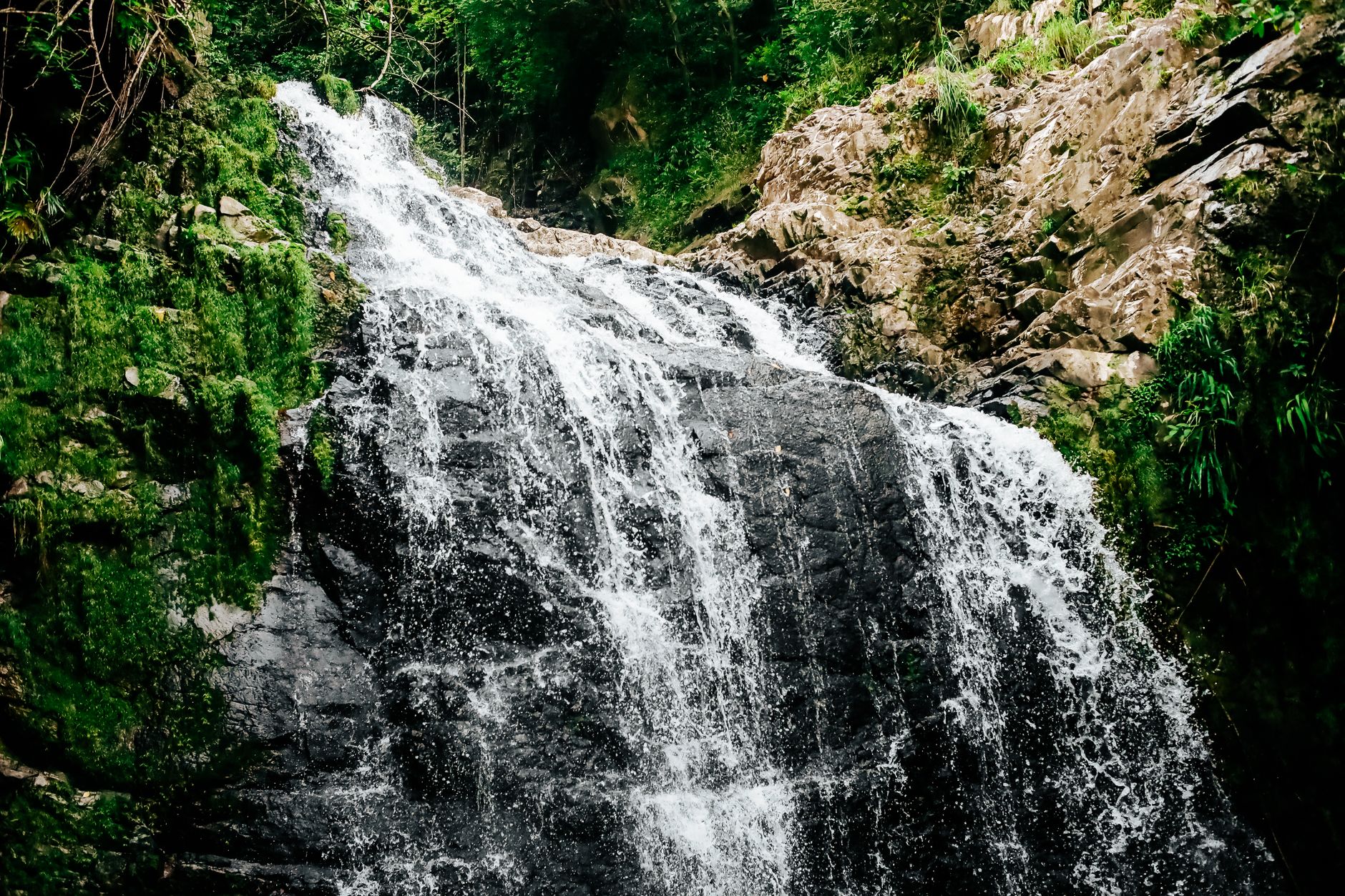
The hike to Lukah takes about 30 minutes uphill; the path is slick after a brief rain, so I wore my old hiking boots that had already been broken in. The waterfall itself is a 10‑meter cascade into a shallow pool, perfect for a quick dip.
There’s a small fee of $2 for a rope swing that locals set up on the far side of the pool. I tried it once, and the rope snapped just as I pushed off, good thing I was wearing a life jacket borrowed from the guesthouse.
Beyond Lukah, a faint trail continues to “Mikau”, a second waterfall that drops into a larger, turquoise basin. The water is colder here, and the surrounding rocks are covered in bright green moss that looks almost artificial.
Both falls are best visited before 11 am; the sun overhead makes the pool glare and the insects swarm. I left the area by 12, feeling refreshed and a little muddy.
- Nan Madol entrance: $3, opens at 8 am.
- Lukah waterfall hike: 30 min, $2 rope swing fee.
- Bring water shoes; rocks are slippery after rain.
- Visit before 11 am to avoid glare and insects.
- Carry a small towel; there are no changing facilities.
Sokehs Peninsula and Kitti Beach Waterfall
The Sokehs Peninsula is a half‑hour drive north of Kolonia, and the road there is a mix of paved sections and pothole‑filled gravel. I left Kolonia at 8 am, paid the driver $15 for a round‑trip hire, and arrived at the beach parking lot by 8 45.
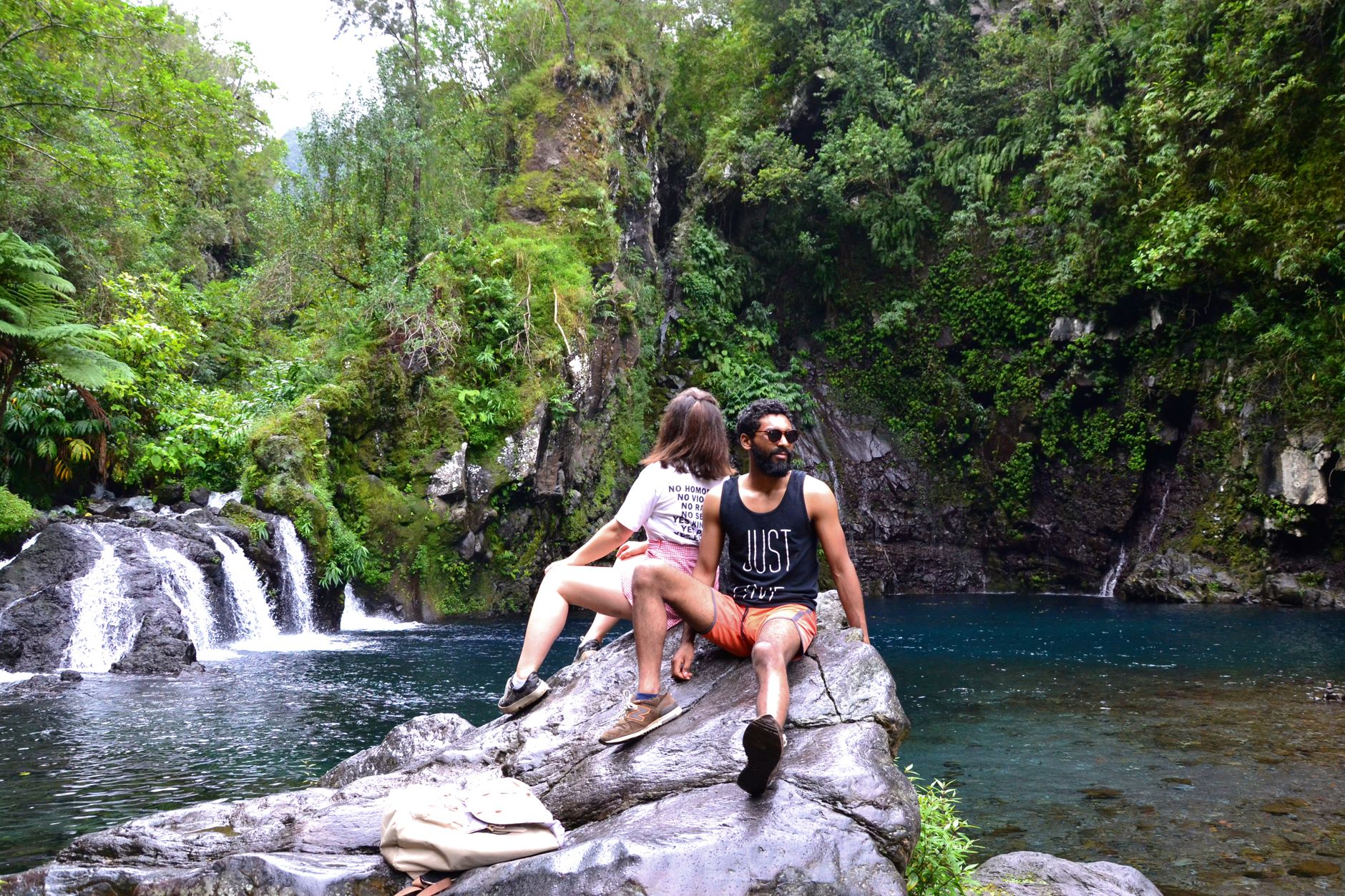
Kitti Beach is famous for its long stretch of white sand, but the real star is the waterfall that tumbles directly onto the shoreline. The trail to the falls starts at the far end of the beach, marked by a wooden sign that reads “Waterfall, 200 m”.
The path is a narrow ridge of sand and volcanic rock, and the climb is gentle until you reach a small clearing where the water crashes over a basalt ledge. The pool below is surprisingly deep, about 4 meters, and the water is clear enough to see the fish darting about.
There is no fee, but locals often ask for a small “contribution” of $1 to help maintain the trail. I handed over a few dollars and felt good knowing the path stays clear of litter.
The best time to see the waterfall at its fullest is after the afternoon rain, which usually hits around 3 pm. I timed my return to watch the sunset from the beach, the waterfall illuminated by the golden light.
One minor drawback: the parking lot fills up quickly on weekends, so arriving early is essential if you want a spot close to the beach.
- Scooter ride to Sokehs: $12 round‑trip, 30 min.
- Kitti Beach waterfall: free, optional $1 contribution.
- Trail length: 200 m, gentle incline.
- Best viewing: after 3 pm rain, sunset is spectacular.
- Parking: fills by 9 am on weekends, arrive early.
Ulong River and Hidden Lush Pools
The Ulong River runs through the interior of the island, and a side trail leads to a series of hidden pools that locals call “the emerald steps”. I hired a guide from the village of Madolenihmw for $25 a day; the fee includes a translation of the local legends.
The drive to the trailhead is a winding road that skirts steep cliffs; the guide warned me about occasional landslides after heavy rain, and we turned back once when a small slide blocked the path.
Once on the trail, the first pool is a shallow, crystal‑clear basin where the river slows. The water is a vivid green, reflecting the canopy above. I slipped a waterproof camera into the pool and captured the light dancing on the stones.
The second pool is a natural rock slide that ends in a deeper plunge pool about 2 meters deep. I jumped in without hesitation, and the water was refreshingly cold, exactly what you need after a humid trek.
There’s a small wooden platform built by the community for resting; it’s free to use but you must bring your own snacks. I shared some dried mango with the guide, and he offered me a cup of “kava” tea, which left me feeling oddly relaxed.
The entire loop takes about 2 hours, including a short rest at the third pool where a waterfall cascades over a mossy ledge. I left the area around 4 pm, as the light started to fade and the river grew louder.
- Guide fee: $25/day, includes translation and safety tips.
- Trail length: 3 km round‑trip, moderate difficulty.
- Bring snacks; no food vendors on the