




Nauru Travel Tips: Getting Around, Where to Stay & What to Expect
Stepping onto Nauru feels a bit like walking onto a secret set. The island is tiny, just 21 square kilometres, but it packs enough quirks to keep a traveler busy for a week or more.
How to Arrive


Most visitors fly into Nauru International Airport on a two‑hour hop from Brisbane or a four‑hour leg from Manila. There are no direct flights from the US or Europe, so you’ll need to connect through one of those hubs.
The airport is the only paved runway on the island, and the terminal feels more like a modest office block than a busy hub. Customs is quick, but be prepared for a short interview about your travel purpose.
- Airfare from Brisbane averages AU$650 round‑trip; from Manila it’s about US$550.
- Visas are granted on arrival for most nationalities; the fee is US$100.
- Pack a printed copy of your itinerary, Wi‑Fi is spotty, and the airline may ask for it.
- Arrive early; the only taxi service operates on a shared‑ride basis and leaves every 30 minutes.
Getting Around the Island
There are no rental cars, no buses, and no bike‑share programs. The most common way to move is by hiring a local “taxi‑van” that seats up to eight passengers.
The drivers know every pothole and can point out the best spots for a quick swim. Fares are fixed, but they don’t accept credit cards, so keep enough Australian dollars on hand.
- Taxi‑van fare from the airport to Yaren (the capital) is AUD$12.
- Short rides around the coast cost about AUD$5 per trip.
- Expect the vehicles to be older models with manual windows.
- Ask the driver for a “stop‑over” at the phosphate quarry for a quick photo op; it’s free.
Where to Stay
Accommodation options are limited but surprisingly comfortable. The main hotel, the Nauru Resort, sits on the western shoreline and offers air‑conditioned rooms with ocean views.
For a more personal touch, try the Anibare Guesthouse, a family‑run place just a short walk from the beach. Both locations provide meals, but the resort’s restaurant is pricier.
- Nauru Resort rooms start at AUD$150 per night, inclusive of breakfast.
- Anibare Guesthouse rates are AUD$80 for a private room with shared bathroom.
- Both places have Wi‑Fi, but the signal drops after 8 pm.
- Bring a power strip; the outlets are two‑pin Australian type.
What to Expect: Climate and Daily Life
The island sits just north of the equator, so it’s warm year‑round. Temperatures hover between 27 °C and 32 °C, and humidity can feel heavy in the afternoon.
Rainfall is seasonal, with the most showers arriving from November to February. Even during the dry months, a brief thunderstorm can roll in without warning.
- Pack lightweight cotton clothing, a wide‑brimmed hat, and sunscreen SPF 50.
- Bring a reusable water bottle; tap water is safe but tastes salty.
- Evenings are the best time for a walk; the streets are quiet and the sea breeze is pleasant.
- Expect limited nightlife; most locals gather at the community centre for live music on Fridays.
Practical Tips: Money, Health, and Communication
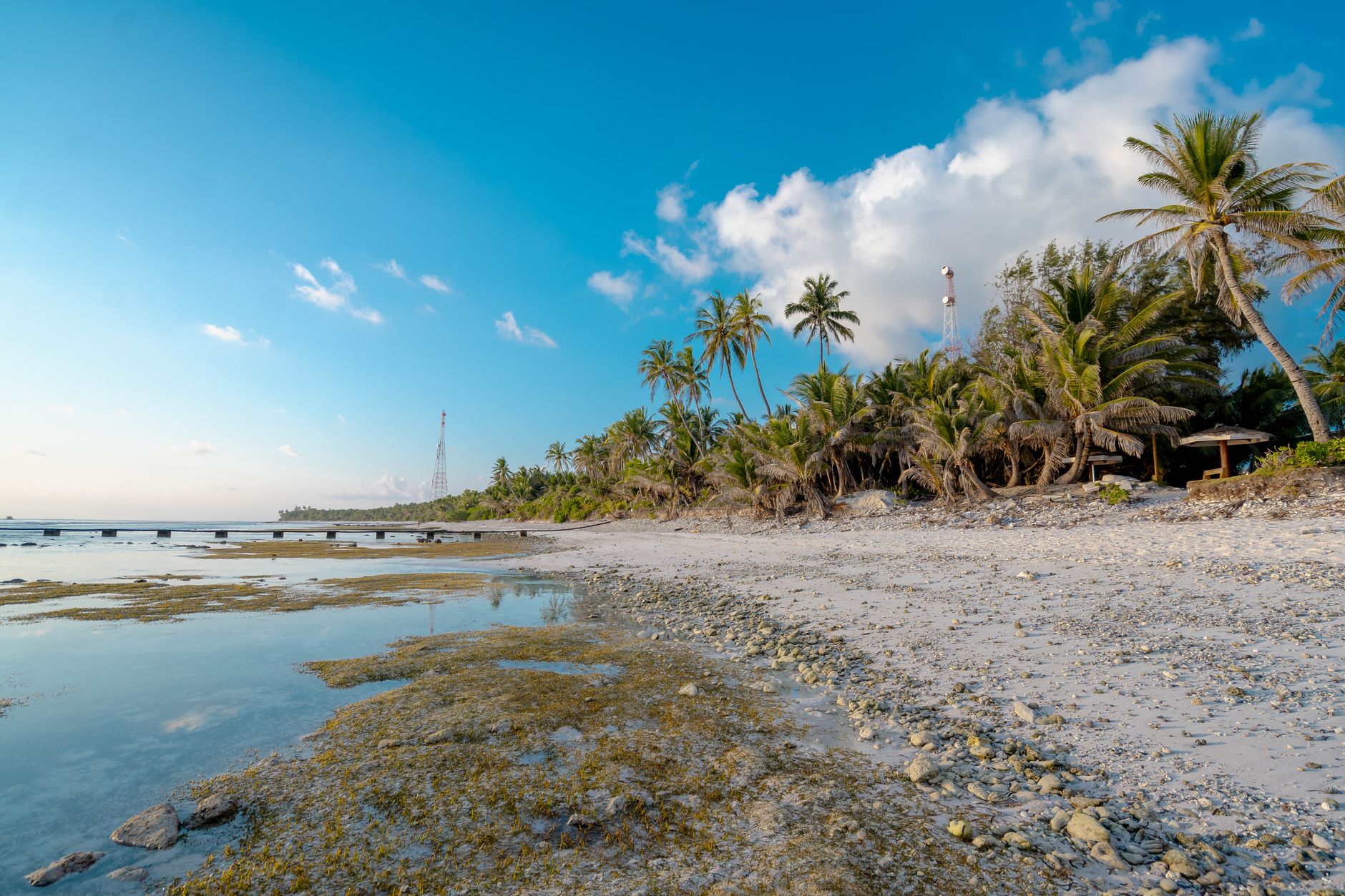
The official currency is the Australian dollar, and ATMs are rare, there’s only one in the capital. It’s safest to withdraw enough cash before you arrive.
Medical facilities consist of a small clinic staffed by a rotating team of doctors. For anything beyond basic care, you’ll need to be evacuated to nearby Kiribati or Fiji.
- Exchange a minimum of AUD$200 at the airport; the rate is fixed.
- Carry a basic first‑aid kit; the clinic’s supplies are limited.
- SIM cards can be bought at the airport for AUD$15, with 2 GB of data valid for 30 days.
- Keep a copy of your passport in a waterproof pouch; humidity can damage paper.
Food, Drink, and Simple Activities
Local cuisine leans heavily on fish, coconut, and taro. The resort’s buffet offers a western selection, but the real flavor comes from the roadside stalls serving grilled snapper.
Snorkeling is the most accessible activity; the reef near Anibare is shallow enough for beginners. If you’re feeling adventurous, a short hike up Command Ridge gives a panoramic view of the entire island.
- Try the “Nauru fish curry” at the market; it’s about AUD$5 per plate.
- Rent a snorkel set from the resort for AUD$10 per day.
- Command Ridge trail is a 30‑minute walk; the path is unpaved but well‑marked.
- Bring a waterproof bag for your electronics; sudden splashes are common on the beach.
Traveling to Nauru isn’t a typical vacation, but that’s exactly why it feels rewarding. With a bit of preparation you’ll move through the island’s quiet streets, taste fresh seafood, and leave with stories most people never get to hear.