




Rock Islands of Palau: A Guide to Lagoons, Beaches & Hidden Bays
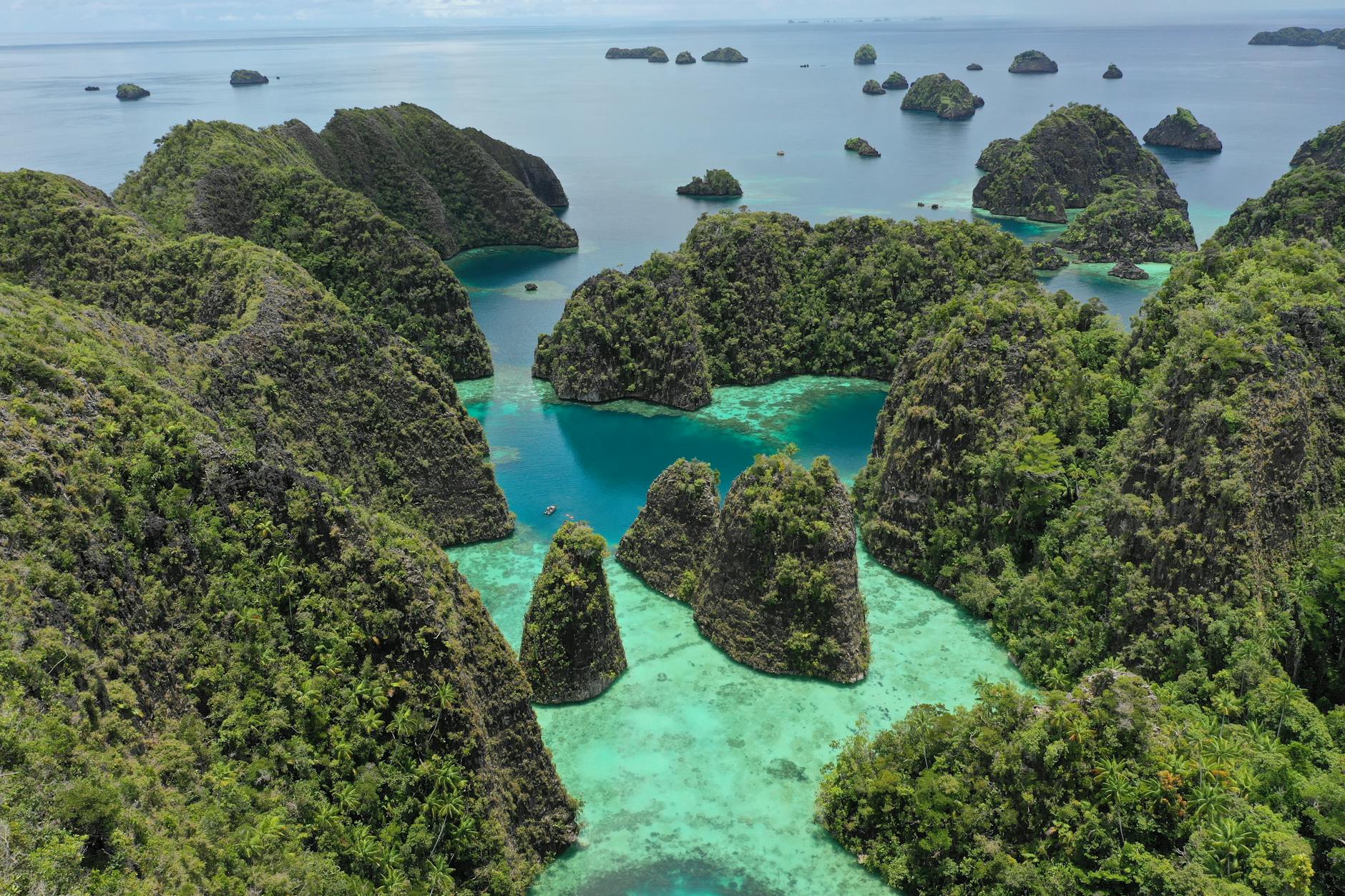
My first glimpse of the Rock Islands came from a small motorboat that chugged away from Koror at dawn, the water turning from ink‑black to a startling turquoise as the sun lifted. The islands rose like broken teeth from the sea, each one a promise of a hidden cove or a quiet beach waiting to be discovered.
Getting There and Base‑camp Options

The international gateway is Roman Tarau Airport, where a round‑trip ticket from Los Angeles typically sits around $950 in June, plus a $30 airport tax. From the terminal, a short taxi ride of about 15 minutes (≈$12) drops you at the waterfront in Koror.
If you plan to hop between islands, staying on a live‑aboard is the simplest route; daily rates start at $180 for a basic cabin with meals, and you can snag a discount if you book a week‑long charter. For backpackers, the Palau Pacific Resort offers a private bungalow for $130 per night, complete with a kitchen you can use for a quick noodle stir‑fry.
- Flight from major US hub: $850‑$1,050 round‑trip (economy).
- Airport taxi to Koror: $12 one‑way.
- Live‑aboard charter: $180‑$250 per day, meals included.
- Budget bungalow: $130 per night, kitchen access.
- Travel insurance covering water activities is a must.
How to Move Between Islands: Boats, Kayaks, and Hikes
Most visitors rent a 15‑foot RIB (rigid inflatable boat) for $120 a day, which includes a fuel allowance of 30 liters; you’ll need to refuel at the dock in Koror after a few hours of cruising. The rental shop hands you a simple map marked with the most popular dive sites, but the real fun is charting your own course.
Kayak rentals are cheaper at $35 per day, and they let you glide into the narrow channels that larger boats can’t navigate. I paddled into a secluded bay on Ngerukewid Island, the water so clear I could see my own breath as a faint bubble.
On foot, the islands are small enough that a 2‑hour hike can take you from a beach to a viewpoint overlooking a lagoon; sturdy sandals with good grip are essential because the limestone can be slick after rain. Bring a lightweight rain jacket; tropical showers drop suddenly and pass within minutes.
- RIB rental: $120/day, 30 L fuel included.
- Kayak: $35/day, no fuel needed.
- Fuel refill at Koror dock: $1.20 per liter.
- Hiking shoes with good traction recommended.
- Rain jacket: lightweight, packable.
Must‑Visit Lagoons and Their Secrets
Blue Corner Lagoon is the first stop for most; the water is a deep sapphire that stays warm enough for a quick dip even in February (around 28 °C). The entry point is a narrow opening you have to paddle through, but once inside the current dies down and you can float for hours.
Ngerukewid, known as the “Bird‑Island,” hides a series of smaller lagoons that are only accessible by kayak or a short hike down a steep trail. I spent a lazy afternoon on a tiny sand patch surrounded by towering limestone, listening to the calls of the Micronesian megapodes.
For a more secluded experience, try the hidden bay on Ulong Island; the locals call it “Baitong.” You’ll need to ask a fisherman for a spare rowboat (costs about $15 for a half‑day), then row through a mangrove tunnel that opens onto a calm, emerald pool.
- Blue Corner Lagoon: entry fee $5, water 28 °C.
- Ngerukewid lagoons: kayak rental recommended.
- Ulong “Baitong” bay: rowboat hire $15 for 4 hours.
- Bring reef‑safe sunscreen (SPF 30 or higher).
- Snorkel gear can be rented for $12 per day.
Beaches and Hidden Bays Worth the Trek
One of my favorite spots is the white‑sand beach on Eil Malk, a tiny island you can only reach after a 30‑minute paddle. The sand feels like powdered sugar, and the tide pools are perfect for spotting tiny gobies.
Another hidden gem is the “Secret Bay” on Ngemelis; the name isn’t on any official map, but a local guide will take you there for $40 a day. The bay is shielded by a natural reef, creating a calm swimming area even when the open sea is choppy.
If you’re willing to hike a bit, the trail from the dock on Mecherchar Island leads to a cliffside overlook with a view of a crescent‑shaped beach below. The path is uneven, and you’ll need a water bottle because there are no facilities once you’re off the main road.
- Eil Malk beach: reachable by 30‑minute kayak, no fee.
- Secret Bay (Ngemelis): guide $40/day, calm waters.
- Mecherchar cliff trail: 1 km return, bring water.
- Pack a dry bag for electronics.
- Beach towels are not provided; bring your own.
Practical Tips: Costs, Gear, Timing

The best months for clear water are December through March; the visibility can hit 30 meters, which is perfect for snorkeling and photography. Prices for tours rise by about 15 % during this peak season, so budget accordingly.
Bring a reef‑safe mask and snorkel; the local shops sell sets for $25, but you’ll save money by renting from your live‑aboard for $8 per day. A waterproof camera case is worth the $20 investment if you plan to capture the underwater world.
Cash is still king on many islands; the smallest ATM in Koror dispenses $20 notes only, and it charges a $3 fee per withdrawal. I kept a stash of $200 in small bills to cover boat hires, park fees, and a few meals at beachside stalls.
- Peak season (Dec‑Mar): visibility 25‑30 m, prices +15 %.
- Snorkel rental: $8/day, full set purchase $25.
- Waterproof case: $20, protects phone and camera.
- ATM fee: $3 per transaction, $20 notes only.
- Carry $200 in small cash for on‑island expenses.
Leaving No Trace: Protecting the Rock Islands
Palau’s marine sanctuary rules are strict; you must not touch corals, and anchoring is prohibited in most lagoons. The rental operators provide a set of mooring buoys for $5 per use, which is a small price to pay for preserving the reef.
When hiking, stay on marked trails to avoid trampling fragile vegetation that houses nesting seabirds. I once slipped on a loose stone and nearly fell into a hidden pool; a quick grab on a sturdy root saved the day, reminding me to move slowly.
- Anchoring ban: use provided mooring buoys ($5 each).
- Stay on marked trails to protect nesting sites.
- No collecting shells or coral fragments.
- Use reef‑safe sunscreen and biodegradable soap.
- Report any litter to the local ranger station.
Exploring the Rock Islands feels like stepping into a living postcard; each lagoon, beach, and hidden bay offers a slice of solitude you won’t find on a crowded resort. With a bit of planning, the islands reward you with crystal waters, limestone cliffs, and moments that feel entirely your own.