


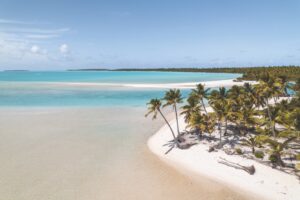

Palau Travel Guide: What to Know Before Exploring the Rock Islands
When I first stepped off the small prop plane at Roman Tmetuchl International Airport, the heat hit me like a warm hand and the scent of the ocean was already in the air. A quick taxi ride later I was on the dock at Koror, watching the ferry pull away toward the Rock Islands, and I knew the next few days would be a mix of awe and a few inevitable hiccups.
Getting There and Around
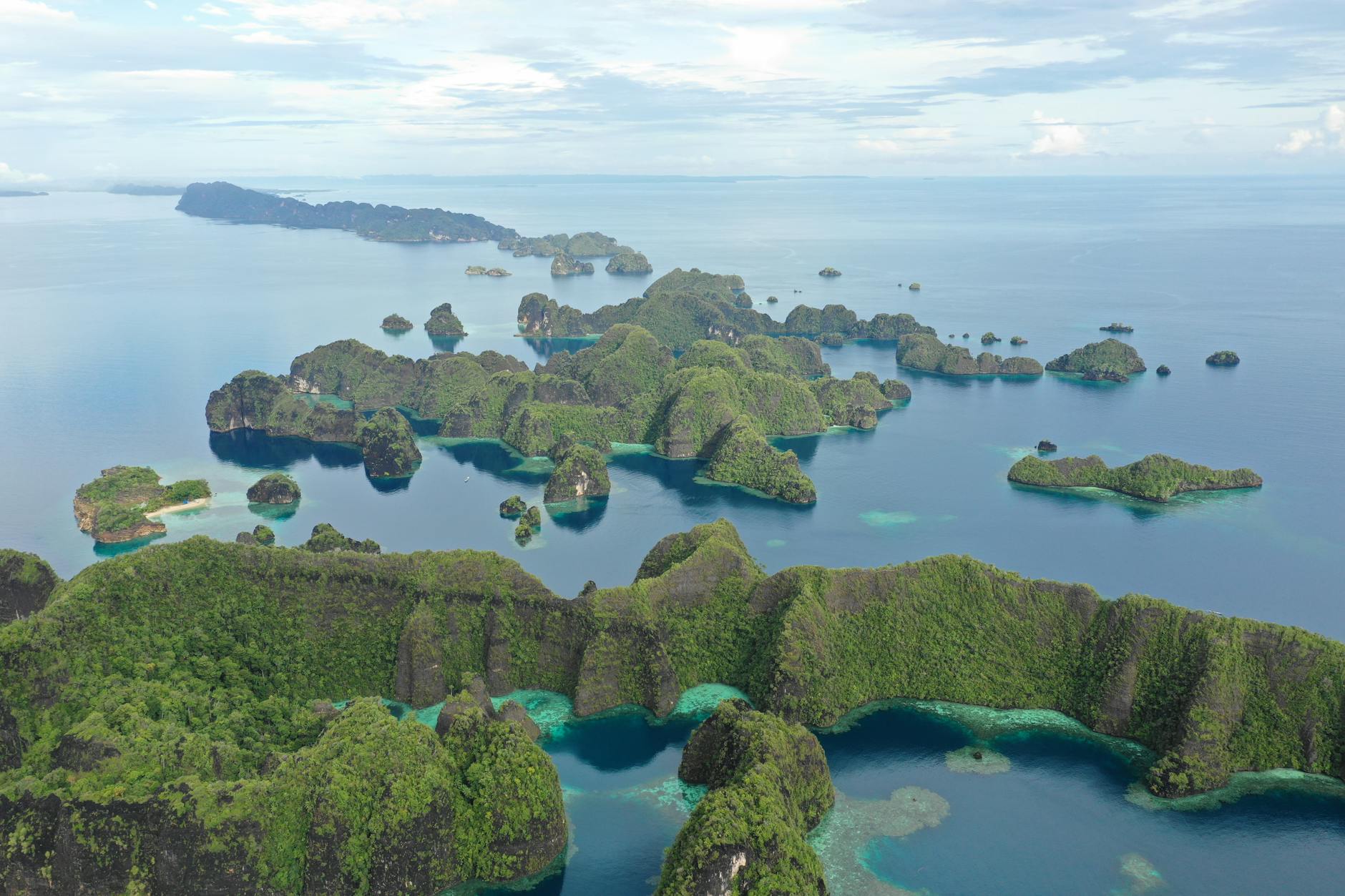
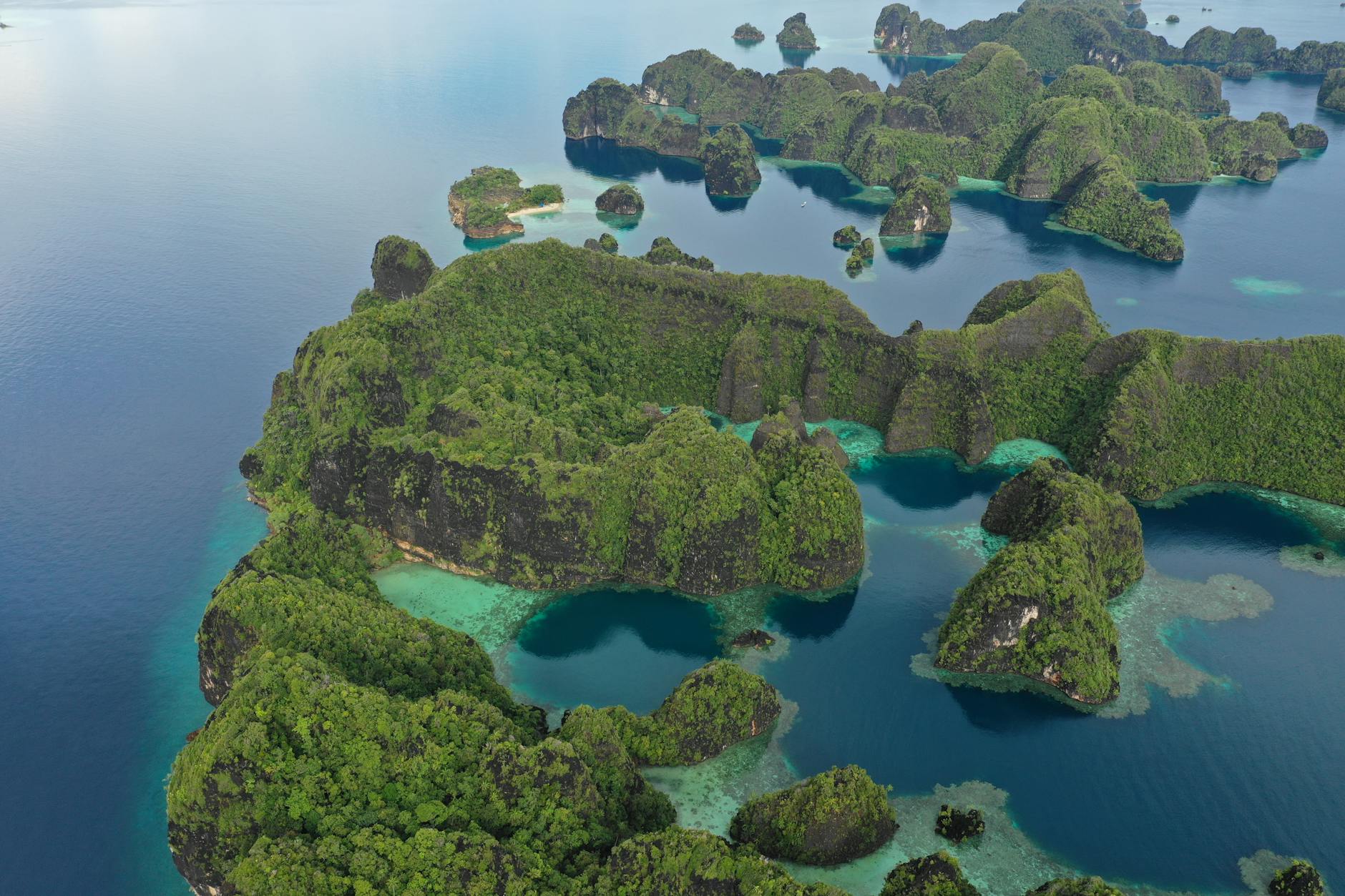
The most common route is to fly into Koror and then catch the local ferry to the Rock Islands. The ferry leaves twice daily from the Koror waterfront; the 45‑minute ride costs about $12 USD per person and departs at 9 am and 2 pm. I took the morning boat because the afternoon slot meant a rushed day on the water.
If you’re on a tighter budget, there are shared speedboats that leave from the same dock for roughly $8, but they’re cramped and the driver often waits for a full load before departing. I recommend booking a seat online through Palau Tours; the reservation fee is $5 and you get a guaranteed spot.
Once you reach the island cluster, most activities are organized from the main dock at Ngermechau. You’ll need cash in US dollars; ATMs on the islands are rare and the nearest one is back in Koror. I kept $150 in small bills for snorkel rentals, park fees, and a few meals.
Remember that the Rock Islands are a protected marine reserve, so you’ll be asked to sign a brief waiver and pay a $10 per day environmental fee that goes toward reef preservation. The fee is collected at the dock before you board any tour boat.
- Ferry: $12 round‑trip, 45 min, departs 9 am & 2 pm.
- Shared speedboat: $8 one‑way, fills up before leaving.
- Environmental fee: $10 per person per day.
- Cash only: bring small US dollar bills.
- Book seats online: $5 reservation fee.
Where to Stay: Island Hopping vs. Base Camp
I tried both approaches. First night I stayed at a modest guesthouse in Koror; the room was $70 per night, included breakfast, and gave me a solid Wi‑Fi signal for checking emails. The downside was a two‑hour drive each morning to catch the ferry, which ate into my snorkeling time.
For the second night I booked a night on a live‑aboard boat that anchors near Jellyfish Lake. The price was $150 per person, all‑inclusive, and you wake up to the sound of waves rather than traffic. The boat had basic cabins with twin beds, a small galley, and a deck where we gathered for sunset drinks.
If you prefer a land base, the only island with a small eco‑lodge is Ngemelis. Rooms are $120 per night, built from reclaimed wood, and you share a communal bathroom with hot showers that run on solar power. The lodge provides a guide who can arrange private kayak trips for $30.
Keep in mind that the islands have limited electricity; most lodges use generators that run for a few hours in the evening. I found the lights dimmed after 9 pm, which actually helped me sleep better.
- Koror guesthouse: $70/night, includes breakfast, reliable Wi‑Fi.
- Live‑aboard boat: $150/night, all meals, anchored near Jellyfish Lake.
- Ngemelis eco‑lodge: $120/night, solar power, shared baths.
- Generators run limited hours; expect dim lighting after 9 pm.
- Private kayak guide: $30 per day.
Snorkeling Hotspots and How to Avoid the Crowds
The first place I dove into was Blue Corner, a narrow inlet where the water turns a startling turquoise. The entry fee is covered by the daily environmental fee, but you’ll need to rent a mask and fins for about $8 if you didn’t bring your own. I chose a reef‑safe sunscreen (SPF 30) because the park rangers check for chemicals that could harm coral.
To escape the midday rush, I headed to the less‑known South Passage around 2 pm. It’s a short paddle from the main dock, and you can often find a quiet slot where schools of barracuda glide past. The water here is a bit cooler, around 27 °C, so a thin wetsuit (2 mm) kept me comfortable.
Don’t miss the iconic Jellyfish Lake early in the morning, before the sun heats the surface. Entry is $25 per person, includes a brief orientation, and you must be accompanied by a certified guide. I was surprised to learn that the lake’s non‑stinging jellyfish are actually protected; touching them can result in a fine.
Finally, for a truly remote experience, take a kayak to the hidden lagoon of Ulong Channel. It’s a 30‑minute paddle, and you’ll need to bring your own water and snacks because there are no facilities. I packed a reusable water bottle, a granola bar, and a waterproof bag for my phone.
- Blue Corner: free entry (covered by environmental fee), $8 gear rental.
- South Passage: quieter, bring 2 mm wetsuit for cooler water.
- Jellyfish Lake: $25 entry, guided tour required, no touching allowed.
- Ulong Channel: 30‑min kayak, bring food and water.
- Reef‑safe sunscreen: SPF 30, avoid oxybenzone.
Dining: What to Eat and Where to Find It
Food on the islands is a mix of fresh seafood and traditional Palauan dishes. At the dock’s small market, you can buy grilled tuna for $5, a side of taro chips for $2, and a cold coconut water for $3. I loved the simplicity, the fish was just a little charred, served with a squeeze of lime.
If you’re staying on a live‑aboard, meals are usually included; the chef prepared a kelp salad and a coconut‑lime dessert that felt like a tropical version of a salad bar. For a sit‑down meal, the Rock Islands Café on Ngemelis offers a set lunch for $18: soup, fish curry, and a banana fritter.
Don’t overlook the street vendors near the ferry terminal in Koror. They sell “taro cake”, a dense, slightly sweet patty, for $1.50 each, and it’s perfect for a quick snack before heading out. I bought three to share with my travel buddy while waiting for the boat.
Alcohol is limited; the only bar I found served local beer (a light lager) for $4 a bottle. If you prefer something stronger, bring a small bottle of rum; the islands have a relaxed customs policy for personal consumption, as long as it’s under 2 liters per traveler.
- Grilled tuna at dock market: $5 per portion.
- Rock Islands Café set lunch: $18, includes soup, fish curry, banana fritter.
- Taro cake street vendor: $1.50 each.
- Local beer: $4 a bottle.
- Bring up to 2 L of personal alcohol, no duty.
Adventure Activities: Diving, Kayaking, and Night Walks
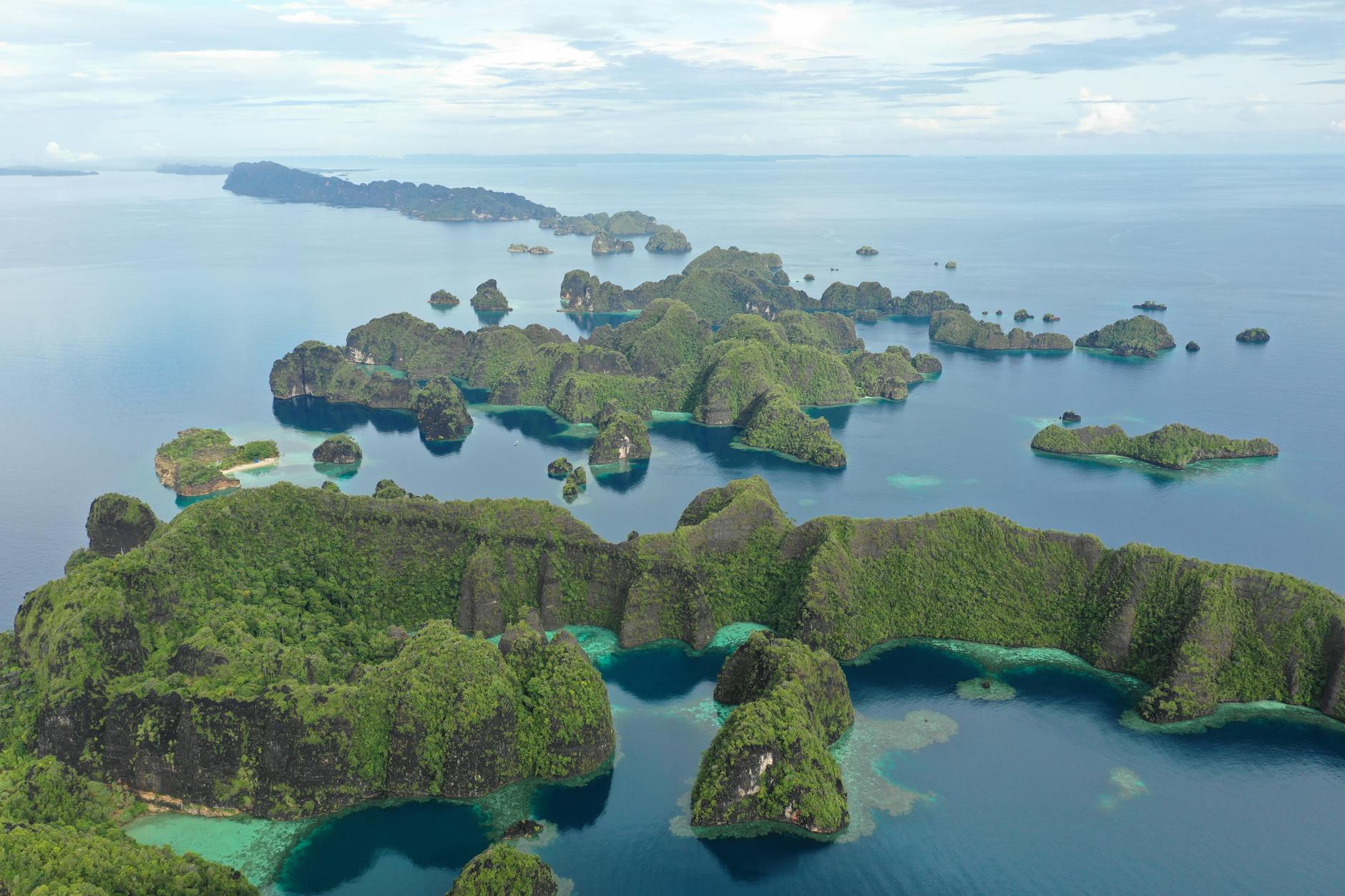
I booked a two‑day dive package with Palau Dive Adventures; the cost was $210, which covered two dives, equipment, and a guide. The first dive was at Blue Corner, where we saw a massive manta ray gliding over the reef. The second day we explored the famous German Channel, a narrow slot that felt like swimming through a natural aquarium.
Kayaking is a cheaper alternative. You can rent a single‑person kayak for $25 a day, or a double for $35. I paddled around the southern tip of the islands at sunrise; the water was calm, and I spotted a lone sea turtle heading toward the reef.
For something truly unique, try the night walk on the beach near the lagoon. Guided tours start at 7 pm and cost $15; they provide a flashlight and a short talk about nocturnal marine life. I saw bioluminescent plankton light up the water with each step I took.
All activities require a copy of your passport and the environmental fee receipt. The guides are friendly but can be strict about safety; I was reminded several times to keep my mask on during the night walk to avoid stinging corals.
- Dive package: $210 for two dives, gear, guide.
- Kayak rental: $25 single, $35 double per day.
- Night walk: $15, includes flashlight and briefing.
- Passport copy and fee receipt required for all tours.
- Safety briefings are mandatory; follow guide instructions.
Practical Tips: Packing, Health, and Etiquette
Pack light but bring the essentials: a quick‑dry towel, reef‑safe sunscreen, a reusable water bottle, and a waterproof dry bag for electronics. I left my heavy camera lenses at home and used a compact GoPro instead; the island’s humidity can fog up larger lenses quickly.
Health-wise, there are no major vaccination requirements, but I took a single dose of anti‑malaria tablets as a precaution, even though Palau’s risk is low. Bring a basic first‑aid kit with band‑aids, antiseptic wipes, and motion‑sickness tablets, the boat ride can get choppy in