




Rota vs Saipan: Which Mariana Island Is Better for Your Vacation?
My first flight to the Mariana chain landed in Saipan, but a short hop on a prop plane took me to Rota, the island most tourists skip. The moment the engine cut and the coastline appeared, I felt a shift, fewer crowds, slower pace, a sense that I was the first to notice what the place could offer. If you’re weighing Rota against Saipan for your next getaway, here’s what I learned on a ten‑day stretch.
Getting There
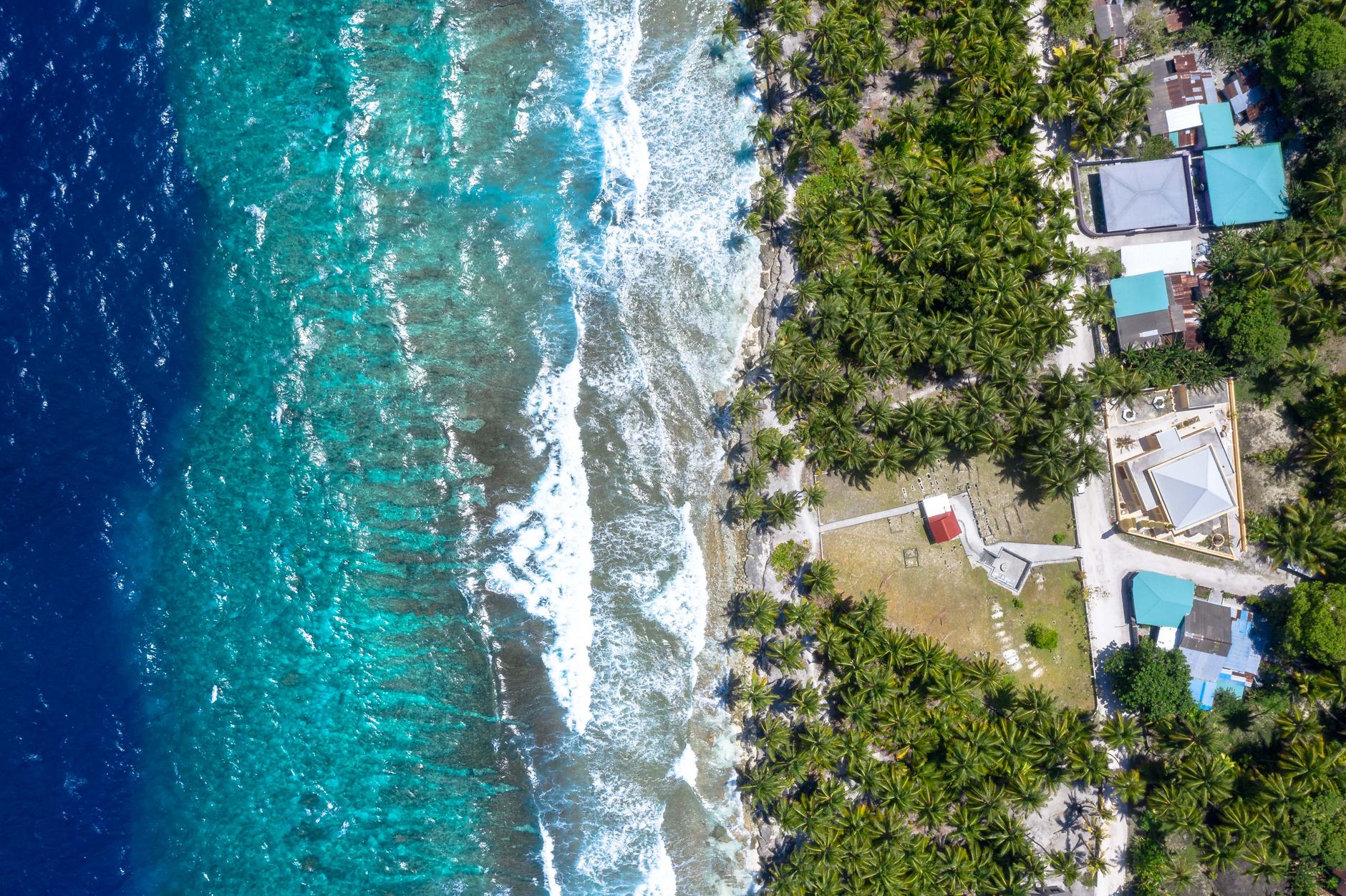

Saipan is the hub. Direct flights from Honolulu, Manila, and Tokyo land at Saipan International Airport (SPN). From there, you catch a two‑hour flight on a tiny Cessna operated by Pacific Wings. Seats fill up fast in high season, so I booked the inter‑island leg three weeks ahead.
The plane touches down on a gravel strip at Rota’s modest airfield. No jetways, just a single concrete runway and a tiny terminal where the staff hand you a folded map and a cold bottle of water. The whole process took about 45 minutes from check‑in to boarding.
- Round‑trip airfare to Saipan averages $650 from Honolulu in June.
- Inter‑island flight costs $120 each way; seats are limited to 12.
- Plan for a 2‑hour layover in Saipan to accommodate possible delays.
- Bring a printed copy of your itinerary, the Wi‑Fi on the Cessna is spotty.
- Passport, visa (if required), and a copy of your COVID‑19 vaccination record.
Where to Stay
Rota’s accommodations are a mix of family‑run guesthouses and a single resort that caters to divers. I stayed at the Koblach Family Guesthouse, a two‑room bamboo‑sheathed bungalow about a ten‑minute walk from the beach. The owners greeted me with fresh mangoes and a quick tour of their garden.
Rooms cost $70 per night, including breakfast of boiled eggs, rice, and locally caught fish. The only downside was the lack of air‑conditioning; a ceiling fan kept the heat at bay, but evenings can stay warm well into the night.
- Guesthouse rooms: $70-$90 per night, meals optional.
- Resort rooms: $150 per night, includes dive packages.
- All places accept cash; credit cards are rare.
- Bring a light rain jacket, sudden showers are common.
- Check for a “no‑shoes” policy inside homes; slippers are appreciated.
Things to Do on Rota
The island’s size lets you bike from one end to the other in a few hours. I rented a mountain bike for $15 a day and followed the coastal road that skirts the cliffs. The view of the turquoise sea on the left and the rolling hills on the right felt like a private movie set.
Snorkeling at the historic Japanese wreck off the southern shore was the highlight. The water was calm, visibility around 20 feet, and the coral was still vibrant despite the occasional broken glass from old shells. A local guide named Lito took us out on his 12‑foot boat for $45 total, including gear.
If you prefer land, the Rota World War II museum in Songsong offers a brief but thorough look at the island’s past. The exhibits are modest, but the guide’s stories about the island’s role during the Pacific campaign added depth.
- Bike rental: $15 per day, helmets included.
- Snorkel tour: $45 for a small group, gear provided.
- Hiking trail to Mt. Taebin: 3 hours round‑trip, moderate difficulty.
- World War II museum: free entry, donations appreciated.
- Sunset at Taga Beach: best after 6 pm, bring a blanket.
Food & Drink
Meals on Rota are simple but fresh. The guesthouse’s kitchen served a daily “plate lunch” that included grilled tuna, taro chips, and a side of pickled papaya. I tried the local specialty, “kelaguen”, shredded chicken mixed with lemon juice, coconut, and chili, for $6 at a roadside stall.
Beer is limited to a few imported brands; the most common is a light lager from Guam that costs $2.50 a bottle. If you’re after a cocktail, the only bar in Songsong mixes rum with fresh pineapple juice, and they’ll give you a discount if you bring your own ice.
- Plate lunch: $8-$10, includes protein, rice, and vegetables.
- Kelaguen at street stalls: $4-$6.
- Imported beer: $2.50 per bottle.
- Fresh fruit (banana, papaya): $1 per piece at markets.
- Water: $0.50 for a 500 ml bottle from local shops.
Cost & Practicalities

Overall, Rota is cheaper than Saipan if you keep to local services. Saipan’s hotels start at $150 per night, and meals at resorts can easily top $20 per plate. On Rota, you can stretch a $1,500 budget for ten days without sacrificing comfort.
Transportation on the island is mostly on foot or by rental bike. There are no taxis, and the few motorbikes for hire cost $20 a day. The island’s power can flicker at night; a small flashlight proved handy during a brief outage on my fourth night.
- Total budget for 10 days (flights, stay, food, activities): $1,400-$1,600.
- Cash needed: $300-$400; ATMs are only in Songsong.
- Internet: limited Wi‑Fi at guesthouses, speed around 5 Mbps.
- Health: bring basic meds; the only clinic is a small health post.
- Language: Chamorro and English; a few phrases in Chamorro go a long way.
Final Verdict: Rota vs Saipan
If you crave pristine beaches, bustling nightlife, and a wide range of luxury amenities, Saipan still wins. But if you want a slower rhythm, direct access to untouched reefs, and a budget that leaves room for extra days, Rota feels like a secret worth sharing.
My takeaway? Rota isn’t a replacement for Saipan’s polish; it’s a different kind of experience. One that lets you wake up to the sound of waves instead of hotel music, and that’s something you can’t fake.