



Saipan Road Trip: The Best Beaches, Viewpoints & Cultural Stops
Saipan feels like a compact playground that you can circle in a day, but each turn reveals something you missed on the previous loop. I rented a small hatchback from a family‑run agency in Garapan for $45 a day, insurance included, and set the GPS to “explore.” The island’s roads are wide enough for a leisurely cruise, yet the traffic is light enough that you can stop at any roadside stall without missing a beat.
Getting Around the Island


The main loop is Highway 30, a two‑lane road that hugs the coastline for most of its 30‑kilometer stretch. I found that fueling up in the morning at the Tiaong station (just off the highway) saved me a few dollars; a full tank of 45‑liter gasoline costs about $70. The rental car comes with a basic map, but I downloaded an offline map of Saipan onto my phone, data roaming is pricey, around $15 for a day.
Parking is usually free at beach access points, but at the American Memorial Park you’ll need a small $2 ticket for the lot. If you prefer a scooter, the daily rate is $30, though you’ll need an international driver’s permit. Public buses run every hour between Garapan and the southern villages, but they’re crowded during lunch and the fare is only $1.50.
- Rental car: $45/day, includes basic insurance.
- Fuel: $1.55 per liter, full tank ≈ $70.
- Scooter: $30/day, requires international permit.
- Parking at major sites: $0-$2.
- Offline map: free apps like MAPS.ME work well.
Top Beach Stops
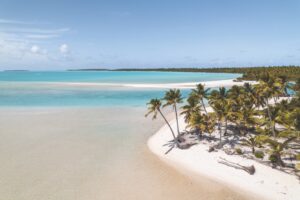
Micro Beach is the first stop on the north side, a mile of white sand framed by palm trees that sway even when the wind is calm. I arrived at 9 am, when the tide was low and the water was shallow enough for my niece to wade safely. The beach is free, but there’s a small fee of $3 for the public restrooms if you need a shower after a swim.
Further down, I pulled into Managaha Island on a short ferry ride; tickets are $12 round‑trip, and the boat leaves every hour from the waterfront in Garapan. The island’s snorkeling spot is crowded, but the underwater world is worth the wait, turtles, parrotfish, and a curious sea cucumber that brushed my leg.
On the southern tip, I discovered the hidden gem of Taga Beach. It’s less developed, so you’ll find a few local vendors selling fresh coconut water for $2 a cup. The sand is coarser, and the waves are stronger, making it a favorite for surfers. Parking is limited; I had to walk a short path from the lot, which added a bit of adventure.
- Micro Beach: free entry, $3 restroom fee.
- Managaha Island ferry: $12 round‑trip, departs hourly.
- Snorkel gear rental on Managaha: $8 per set.
- Taga Beach: no entry fee, bring cash for local drinks.
- Sun protection: reef‑safe sunscreen is required by law.
Scenic Viewpoints
The first lookout I visited was the Suicide Cliff overlook, a name that carries weight but also offers an unforgettable panorama. From the parking lot, a short paved trail leads to a wooden railing; the view of the Pacific stretches for miles, and on clear days you can see the distant islands of Tinian and Rota. Admission is free, but a donation box suggests $1 for maintenance.
Next, I drove to the Korean Air Memorial, which sits on a hilltop near the old airstrip. The site includes a small museum with artifacts from the Korean War; entry is $2 for adults and $1 for children. The surrounding garden is perfect for a quiet moment, and the wind carries the scent of frangipani.
For sunrise, head to Banzai Cliff early, around 5:30 am in summer. The climb is steep, with a few loose stones, so wear sturdy shoes. I watched the sun climb over the horizon while the ocean below turned from dark blue to a bright turquoise; the experience felt like a private performance.
- Suicide Cliff: free, optional $1 donation.
- Korean Air Memorial: $2 adults, $1 children.
- Sunrise at Banzai Cliff: start at 5:30 am, wear sturdy shoes.
- Parking at most viewpoints: free, but spots fill early.
- Bring water: no facilities at the top of Banzai Cliff.
Cultural Highlights

The American Memorial Park in the heart of Saipan tells the story of World War II with a series of well‑preserved ruins and informative plaques. I joined a free guided tour at 10 am; the guide was a local veteran who shared personal anecdotes that you won’t find in any brochure. Entry is free, but the park’s café charges $5 for a coffee and a slice of banana cake.
Just a short drive away, the Chamorro Village market comes alive every Thursday evening. Stalls line the streets with handmade jewelry, woven bags, and fresh seafood. I tried kelaguen, a grilled chicken dish seasoned with lemon and coconut, for $7. The market accepts cash only, so I kept a few pesos handy for small purchases.
If you have time, the Saipan Botanical Garden offers a quiet escape. The entrance fee is $3, and the garden showcases native plants like the fan palm and the rare Saipan lilac. I spent an hour there, reading a guidebook about the island’s flora while a local gardener explained the traditional uses of each plant.
- American Memorial Park: free tours at 10 am, guide tip: bring a bottle of water.
- Chamorro Village market: Thursday evenings, cash only, try kelaguen ($7).
- Botanical Garden: $3 entry, open 9 am-4 pm.
- Local etiquette: remove shoes before entering homes and some shrines.
- Currency: US dollars, but small vendors may prefer exact change.
Practical Tips & Packing
Weather in Saipan is warm year‑round, with average highs of 88°F (31°C). I packed lightweight clothing, a wide‑brimmed hat, and a reusable water bottle; the tap water is safe to drink, which saved me from buying bottled water at every stop. A small first‑aid kit came in handy when I got a tiny cut on a coral reef.
Because the island is small, I didn’t need a hotel for more than one night. I booked a boutique guesthouse in Garapan for $120 per night, which includes breakfast and Wi‑Fi. The check‑in was at 2 pm, and the staff offered to store my luggage after checkout so I could enjoy a final beach walk.
Finally, remember that Saipan has strict rules about protecting the marine environment. Sunscreen must be reef‑safe, and feeding wildlife is prohibited. I saw a sign at each beach reminding visitors to “Leave only footprints.” Respecting these rules kept the island beautiful for the next traveler.
- Clothing: breathable shirts, swimwear, flip‑flops, light rain jacket.
- Sunscreen: reef‑safe, at least SPF 30.
- Water: refill reusable bottle at public fountains.
- Accommodation: boutique guesthouse $120/night, includes breakfast.
- Respect rules: no feeding wildlife, use reef‑safe sunscreen.
Saipan may be small, but its mix of beaches, viewpoints, and cultural sites feels surprisingly rich. With a rental car, a flexible schedule, and a willingness to stop at the roadside stalls, you can experience the island’s charm without feeling rushed. Pack your curiosity, and let the island’s gentle rhythm guide your road trip.