




Saipan Travel Guide: Beaches, History & Island Adventures
My first glimpse of Saipan arrived on a humid afternoon, the plane’s wheels skidding onto a runway that felt more like a runway for cargo than a tourist hub. The island’s palm‑swayed horizon promised a mix of history, surf, and unexpected hospitality.
Getting There & Getting Around

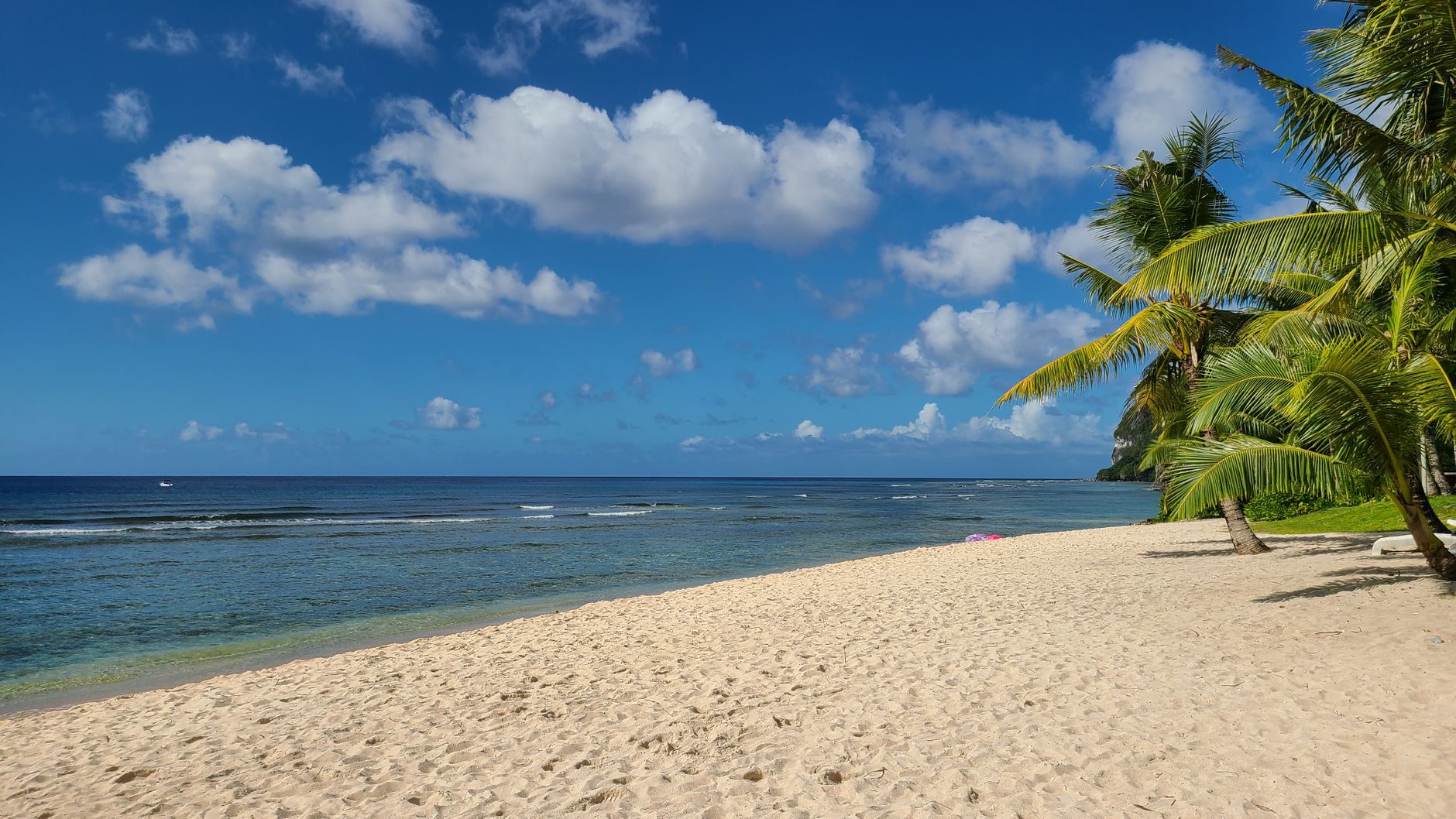
Most visitors fly into Saipan International Airport (SPN) from Honolulu, Seoul, or Manila; a round‑trip ticket from the U.S. mainland usually costs between $800 and $1,200 depending on season. The flight itself is about 5½ hours from Honolulu, and the airline usually offers a small snack and a bottle of water.
U.S. citizens can enter visa‑free for up to a year, but you’ll need a valid passport and a completed Arrival/Departure Card that the customs officer hands you at the gate. The card asks for your address on the island; most hotels will fill it out for you.
The airport terminal is tiny, just two gates, a handful of souvenir stalls, and a coffee kiosk that serves strong island brew for $3. Baggage claim moves quickly; most bags appear within ten minutes.
Renting a car is the easiest way to explore; the major agencies sit right outside the arrivals area and charge roughly $45 per day for a compact. Book online a week ahead to lock in the lower rate and avoid the weekend surcharge.
The island’s public bus system, operated by the Commonwealth, runs every hour from 6 am to 7 pm. A single ride costs $1 and covers most of the coastal strip, but the routes are sparse after 5 pm.
Taxis are plentiful near the hotel zone; they charge a flat $15 for trips to the northern tip and $20 to the southern beaches. Insist on a meter or agree on a price before you get in; some drivers try to add “airport fee” that isn’t required.
- Round‑trip airfare: $800‑$1,200 from U.S. mainland.
- Car rental: $45/day for compact, insurance extra $12.
- Bus fare: $1 per ride, limited after 5 pm.
- Taxi flat rates: $15-$20 within island.
- Visa‑free for U.S. citizens up to 1 year.
Beach Hopping: Sun, Sand and Snorkel
Micro Beach, just a five‑minute walk from the main hotel strip, offers powdery white sand and calm waters perfect for a lazy afternoon. The tide comes in fast, so keep an eye on the line of foam that marks the deeper zone.
Managaha Island, a short 15‑minute ferry ride from the dock at Micro, feels like a private cove. The ferry departs every hour, $12 round‑trip, and includes a brief safety briefing about currents.
Obyan Beach on the east side is less crowded; its reef is teeming with parrotfish and occasional sea turtles. The road to Obyan is narrow and winding, drive slowly, and watch out for stray goats.
Forbidden Island (Mañagaha’s sibling) is a rocky outcrop you can only view from a boat; the locals call it “the ghost of the war.” The water around it is deep, so it’s a favorite spot for experienced divers.
Sunset at Banzai Cliff is a ritual for many travelers; the view of the sun slipping behind the Pacific is worth the short hike up the stone steps. Bring a light jacket; the breeze can turn chilly after dark.
Snorkel gear rentals are available at most beachside shops for about $8 per set, but the quality varies. I found a shop near Micro that cleaned its masks daily and offered a spare snorkel for $2 extra.
Safety tip: the island’s currents can be deceptive, especially on the northern side where the reef drops sharply. If you’re not a strong swimmer, stay in the shallow zones marked by buoys.
- Micro Beach: free, parking $2, lifeguard on duty.
- Managaha ferry: $12 round‑trip, departs hourly.
- Obyan Beach: free, road access narrow, bring cash for goat feed.
- Snorkel rental: $8 per set, $2 for spare.
- Sunset at Banzai Cliff: free, bring jacket.
World War II History Sites
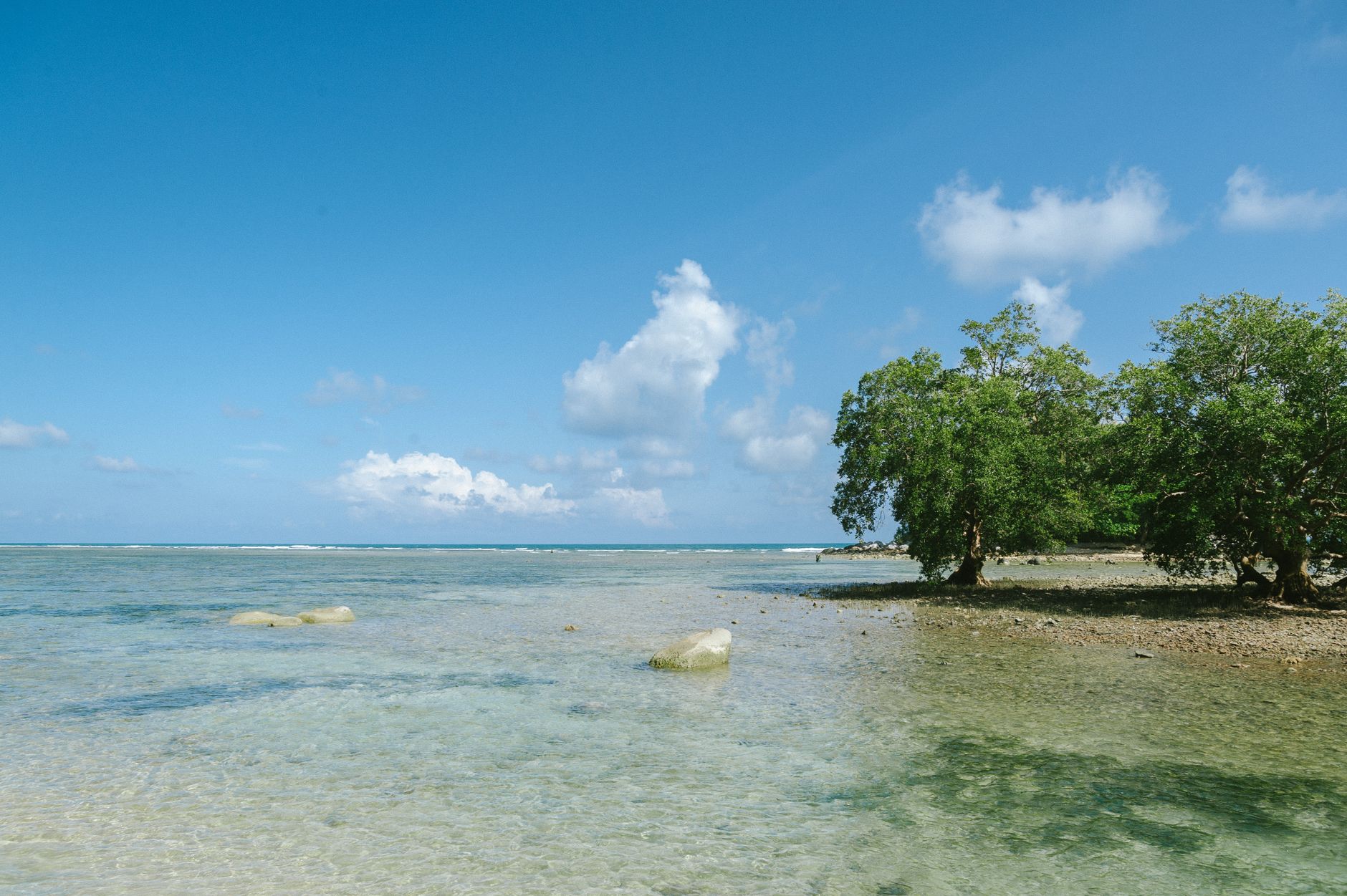
American Memorial Park sits on a bluff overlooking the ocean; the visitor center opens at 9 am and charges a modest $5 admission. The park’s central monument honors the 4,000 soldiers who died during the Saipan campaign.
The Battle of Saipan Museum, housed in a former Japanese barracks, displays uniforms, weapons, and personal letters. Audio guides are $3 and provide context in English and Japanese.
Suicide Cliff, a dramatic limestone drop, is a somber spot where thousands jumped in 1944. A short stairway leads down to a memorial plaque; a quiet moment here feels like a bridge to the past.
Banzai Cliff, just a few minutes away, offers a similar view but with a different story, American forces fired at Japanese positions here. The site includes a small museum with photographs taken by war correspondents.
The Old Japanese Hospital, now a ruin, sits on the southern edge of the island. Guided tours cost $15 and include a walk through the crumbling corridors, where you can still see original tiles.
Guided history tours are available through local operators; they usually start at 10 am and last about three hours. Booking ahead saves you from the last‑minute scramble, especially in July.
Remember to dress modestly when visiting these sites; many locals treat them as solemn places of remembrance, not just tourist stops.
- American Memorial Park: $5 entry, opens 9 am‑5 pm.
- Battle of Saipan Museum: $3 audio guide.
- Suicide Cliff: free, stairs can be slippery.
- Guided history tour: $15, book 2 weeks ahead.
- Old Japanese Hospital: $10, limited group size.
Island Adventures Beyond the Shore
Climbing Mt. Tapochau, the island’s highest point at 474 feet, takes about 45 minutes from the trailhead near the golf course. The summit offers a 360‑degree view that includes both the western and eastern coasts.
The limestone caves near the southern tip, such as the Forbidden Cave, are accessible via a short hike. Bring a flashlight; some chambers are pitch black, and the air can be cool.
Dolphin‑watching tours depart from the harbor in the early morning; the price is $55 per person for a two‑hour boat ride. The crew often shares a snack of fresh fruit and a brief safety talk.
Kayaking in the lagoon near Micro Beach is a quiet way to explore hidden coves. Rental shops charge $20 for a half‑day kit, and the water is calm enough for beginners.
Saipan’s golf courses, especially the Bayview Golf Club, are world‑class. Green fees are $120 on weekdays and $150 on weekends; they include cart rental but not caddie service.
The local market in Garapan sells handmade crafts, fresh fruit, and the occasional live band. Prices are negotiable; a souvenir necklace might cost $8, but you can often get it for $5 if you smile.