




Best Places to Visit in Papua New Guinea: From Port Moresby to Remote Islands
When I first stepped off the plane in Port Moresby, the humid air hit me like a warm hand. The city feels chaotic and welcoming at the same time, a place where you can grab a cheap coffee and then be whisked off to a remote village by a dusty 4‑WD.
Port Moresby: The Gateway and a City of Contrasts
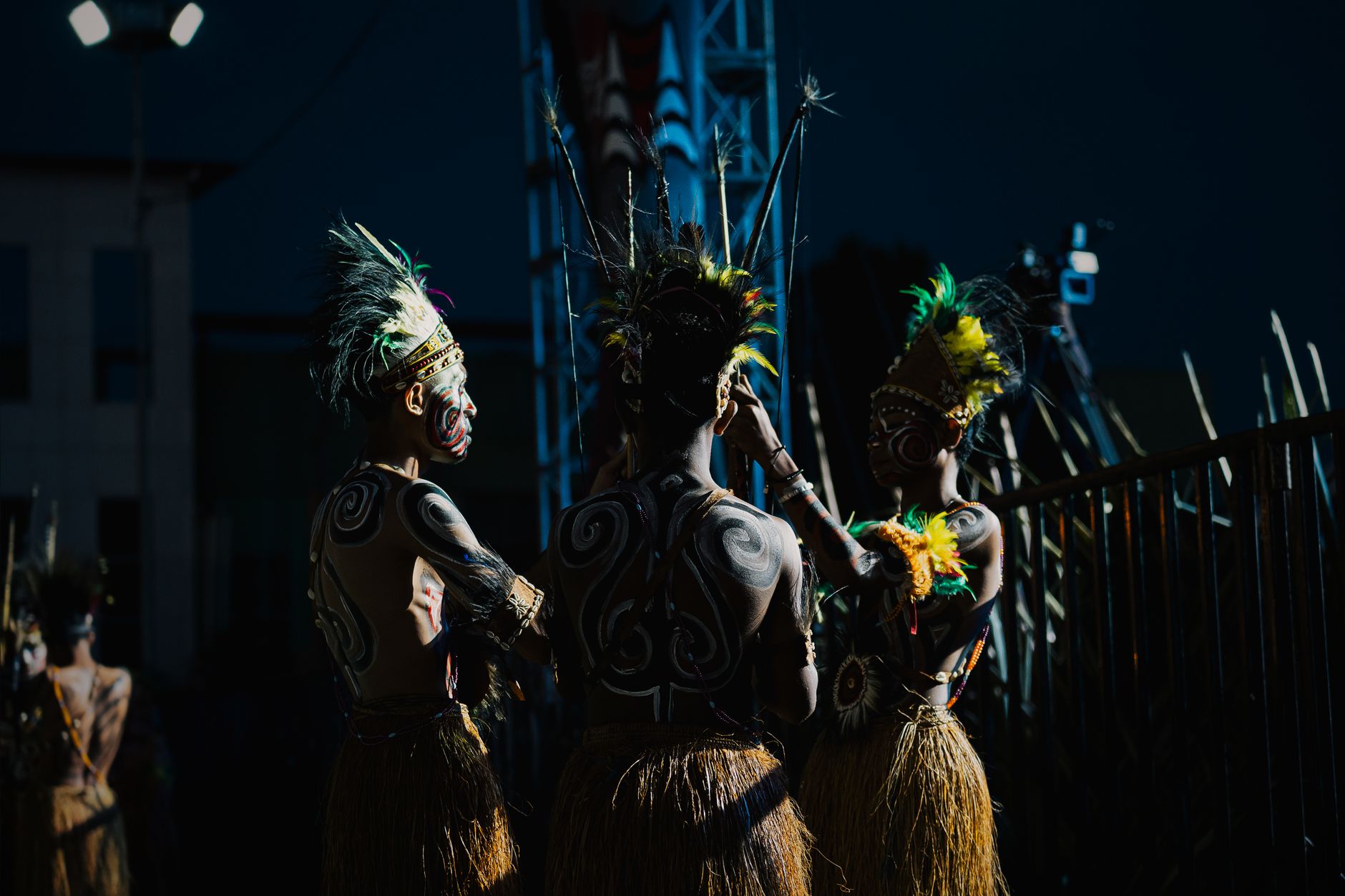

The international airport is a modest terminal, but the customs line moves quickly if you have your e‑visa ready. A single‑entry tourist visa costs 50 USD online, and the approval usually arrives within 48 hours.
Accommodations range from backpacker hostels on the waterfront for about 15 USD a night to mid‑range hotels near the city centre at 70‑90 USD. I stayed at the Pacific Lodge; the air‑conditioner was a bit temperamental, but the rooftop bar gave a surprisingly good view of the harbor.
Getting around the city is a lesson in patience. Taxis are cheap, 2 USD per kilometre, but they rarely use meters. Agree on a price before you hop in, and keep small change handy.
- Visa: 50 USD e‑visa, 48‑hour turnaround.
- Hostels: 15‑20 USD per night, dorm style.
- Mid‑range hotels: 70‑90 USD, air‑conditioned.
- Taxi fare: ~2 USD per km, negotiate price.
- Best time to visit: May to October, dry season.
Highlands Adventure: From Mount Hagen to the Kokoda Trail
The highlands are a world apart. The air thins, the temperatures drop to the low 60s °F at night, and the markets burst with bright pigments and hand‑woven bilums.
Getting there usually means a short flight from Port Moresby to Mount Hagen (about 150 USD one‑way). The runway is a strip of tarmac surrounded by hills, and the plane lands with a gentle bump that rattles your coffee cup.
From Mount Hagen you can hire a local driver for roughly 120 USD per day, a 4‑WD with a roof rack for gear. The roads are rough; expect to crawl over potholes and occasional river crossings.
- Domestic flight: ~150 USD Port Moresby → Mount Hagen.
- 4‑WD hire: 120 USD per day, includes driver.
- Accommodation: basic guesthouses 25‑35 USD, hot showers.
- Must‑try: fresh coffee at the local market, $2 a cup.
- Pack: warm jacket, rain poncho, sturdy boots.
Sepik River: Canoe Journeys and Village Life
Traveling the Sepik is like stepping into a living museum. The river stretches for over 600 km, lined with villages where spirit houses loom like colorful beacons.
I joined a 7‑day river cruise run by a family‑owned outfit out of Wewak. The price was 1 200 USD all‑inclusive, meals, guide, and a basic cabin. The boat was a refurbished wooden vessel; it creaked but was comfortable enough.
Stops included a turtle‑shell carving workshop in Angoram and a night spent in a clan house where I was offered a kava drink that made my head feel pleasantly fuzzy.
- Cruise cost: 1 200 USD for 7 days, includes meals.
- Departure point: Wewak, flights from Port Moresby 180 USD.
- Gear: insect repellent, waterproof bag, quick‑dry shirt.
- Cash: bring 100 USD in small notes for village purchases.
- Tip: learn a few Tok Pisin phrases, locals appreciate effort.
New Ireland & Manus: World‑Class Diving and WWII Relics
Two short flights from Port Moresby land you on the islands of New Ireland and Manus. The planes are small, the pilots chatty, and you’ll feel the excitement build as the coastline appears.
In New Ireland, the town of Kavieng is the dive hub. I booked a two‑night stay at a beachfront lodge for 80 USD per night; the rooms open onto a coral reef that you can snorkel from your balcony.
Manus is quieter. The dive sites around Madang Bay are less crowded, and the wreck of the Japanese cruiser Kinu sits at 30 m, a magnet for wreck divers.
- Flights: Port Moresby → Kavieng 200 USD, → Manus 250 USD.
- Dive packages: 150 USD per day, includes gear.
- Lodging: beachfront bungalows 70‑90 USD.
- Best season: June to September, calm seas.
- Pack: reef‑safe sunscreen, mask, fins (optional).
Tufi: Diving, Culture, and the Fiery Volcanoes
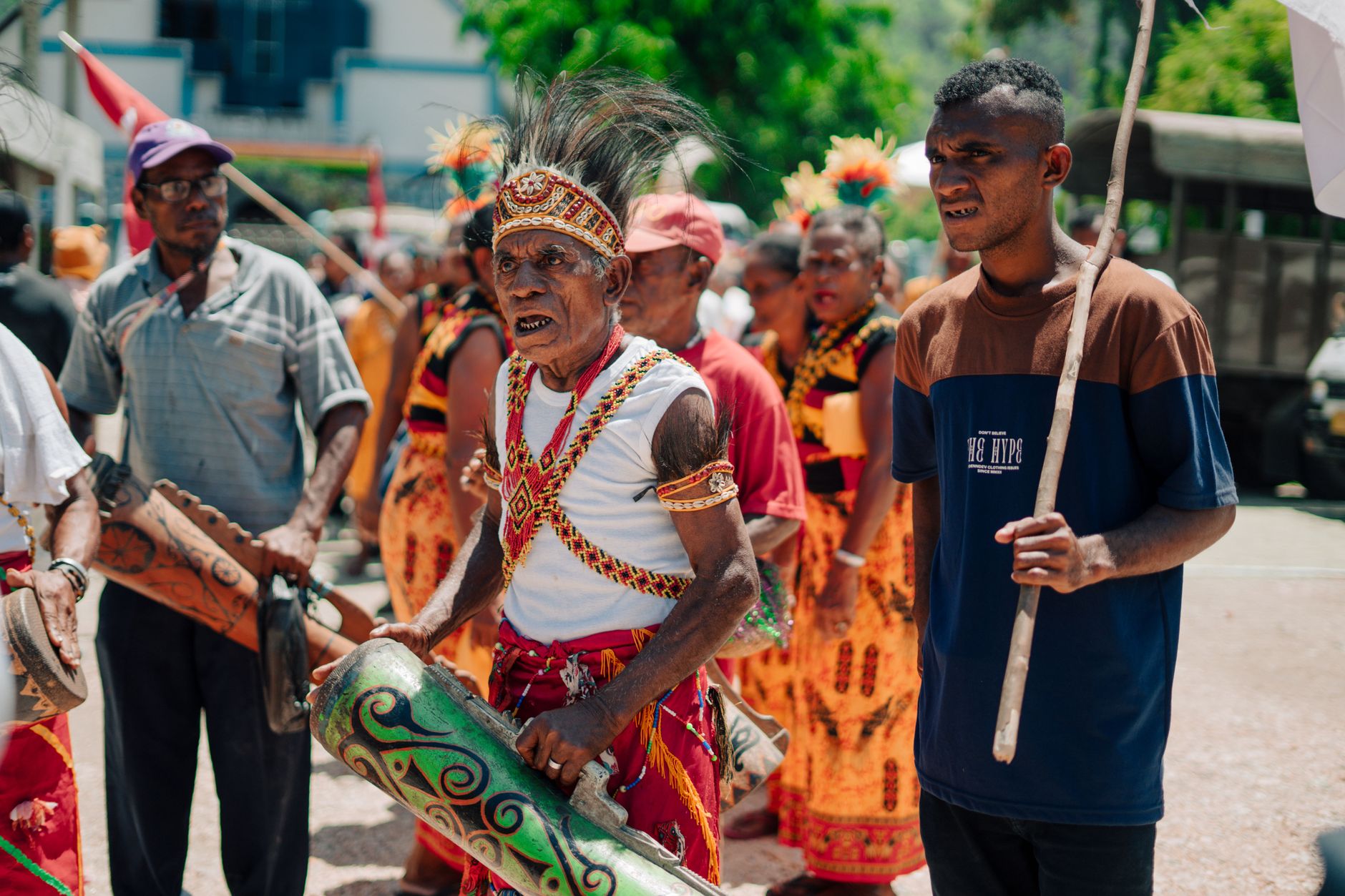
Tufi sits on the southeastern tip of the mainland, tucked between steep cliffs and turquoise lagoons. The approach is a bumpy 4‑WD ride from Port Moresby, about 6 hours, costing around 130 USD for a shared vehicle.
The highlight here is the “Tufi Dive Resort”, a collection of bamboo‑sheltered bungalows perched above the water. I paid 120 USD per night, all‑inclusive meals, and the staff arranged night dives that revealed bioluminescent plankton.
Even if you’re not a diver, a short trek to the nearby volcano crater offers a view of the whole bay. The trail is steep, but the locals set up a small tea stall at the summit, a perfect spot for a break.
- Transport: shared 4‑WD 130 USD, 6‑hour drive.
- Resort: 120 USD per night, meals included.
- Dive: night dive 70 USD, includes lights and guide.
- Hiking: volcano trail 2 km, moderate difficulty.
- Essentials: waterproof camera, light jacket for evenings.
Remote Island Escapes: Bougainville, Karkar & Beyond
If you crave true isolation, the western islands are the answer. Bougainville’s Buka Island feels like a different country, the roads are unpaved, the pace is slower, and the locals greet you with a warm “Halo”.
Getting there involves a flight from Port Moresby to Buka (about 300 USD). Once on the island, I rented a motorbike for 25 USD a day to explore the copper‑colored cliffs and the famous “Pink Beach”.
Karkar Island, north of Madang, is another gem. A short charter flight (150 USD) lands on a tiny airstrip, and the island’s rainforest hikes lead to waterfalls that cascade into crystal pools.
- Bougainville flight: 300 USD round‑trip.
- Karkar charter: 150 USD one‑way.
- Motorbike hire: 25 USD per day, fuel cheap.
- Accommodation: eco‑lodges 40‑60 USD, basic amenities.
- Tip: bring extra cash, ATMs are rare on remote islands.
Each of these spots feels like stepping off the map. The roads may be rough, the Wi‑Fi spotty, but the sense of discovery outweighs any inconvenience.
Papua New Guinea is not a destination you can check off in a weekend. It demands patience, a willingness to get a little dirty, and an open mind for cultures that are both ancient and alive. If you can handle the logistics, the reward is an adventure that stays with you long after you leave the islands.