Papua New Guinea Highlands Guide: Mountains, Villages & Cultural Experiences
pranav
–
September 16, 2026
I arrived in Port Moresby on a humid morning in late May, the kind of heat that makes the air feel like a warm blanket. After a quick passport check and a $70 PNG entry fee, I caught a two‑hour domestic flight to Goroka, the unofficial gateway to the highlands.
The moment the plane descended, the landscape changed from endless lowland jungle to jagged green ridges that seemed to rise out of the clouds. That first glimpse set the tone for a two‑week trek that mixed altitude, colour, and a lot of unexpected hospitality.
Getting There and Visa Basics
International flights land in Port Moresby or Cairns; from there, the most reliable route into the highlands is a domestic carrier like Air Niugini or PNG Air. Seats fill up fast during the dry season (June to September), so I booked a round‑trip ticket for $220 well in advance.
Visas are granted on arrival for most nationalities, but you still need a passport that’s valid for six months and a return ticket. The immigration officer will ask about your itinerary; having a printed copy of your travel plan helps smooth the process.
Ground transport is a patchwork of minibuses, chartered 4×4s, and occasional bush planes. The 4×4 from Goroka to the village of Kainantu costs about $30 per person for a full‑day hire, and the driver usually doubles as a guide for basic trekking routes.
If you plan to head north to the Sepik, you’ll need to fly from Goroka to Wewak (about $150 one way). The flight is short but the airport is basic, expect a single runway, a small café, and a handful of locals selling fruit.
4×4 hire (Goroka → Kainantu): $30 per person, driver included.
Sepik flight (Goroka → Wewak): $150 one way.
Bring a printed itinerary for immigration.
The Highlands: Peaks and Trails
Mount Wilhelm, the country’s highest point at 4,509 m, is the crown jewel for trekkers. The standard route starts at the village of Kegare, where a local guide will meet you at 7 am for a $15 per day fee plus a $10 tip if you’re happy with the pace.
The first two days are a steady climb through moss‑covered forest, and you’ll pass a small tea house that sells boiled peanuts for $0.50 a handful. Night two, we camped on a flat rock ledge; the air was thin, and the stars looked like they were within arm’s reach.
Summit day begins before sunrise; the guide lights a small stove to boil water for instant coffee, which costs $2 at the base camp. Reaching the top at 6 am, the view stretches over the Owen Stanley Range, and the wind is sharp enough to bite.
If you prefer a less strenuous route, the Hindenburg Wall trek near Mt. Hagen offers day‑long hikes with dramatic cliffs and river crossings. You can hire a local porter for $12 per day, and they’ll carry up to 20 kg of gear, which is a lifesaver on the steep sections.
Both routes require a simple trekking permit, which you can obtain at the district office for $5. Bring a rain jacket; showers can appear out of nowhere, and the trails become slick and muddy.
Mount Wilhelm summit fee: $15 per day guide, $10 tip.
Instant coffee at base camp: $2.
Porter hire (Hindenburg Wall): $12 per day, 20 kg capacity.
Trekking permit: $5 at district office.
Rain jacket essential: sudden showers are common.
Village Life and Cultural Shows
The highlands are a patchwork of tribes, each with its own language and customs. In the town of Kundiawa, I stayed with a family that grew sweet potatoes in terraced plots that climbed the hillside like steps.
Meals are simple but hearty: boiled yam, a splash of coconut milk, and a side of fresh fish caught from a nearby stream. I paid $3 for a plate, and the host offered me a second helping without a word.
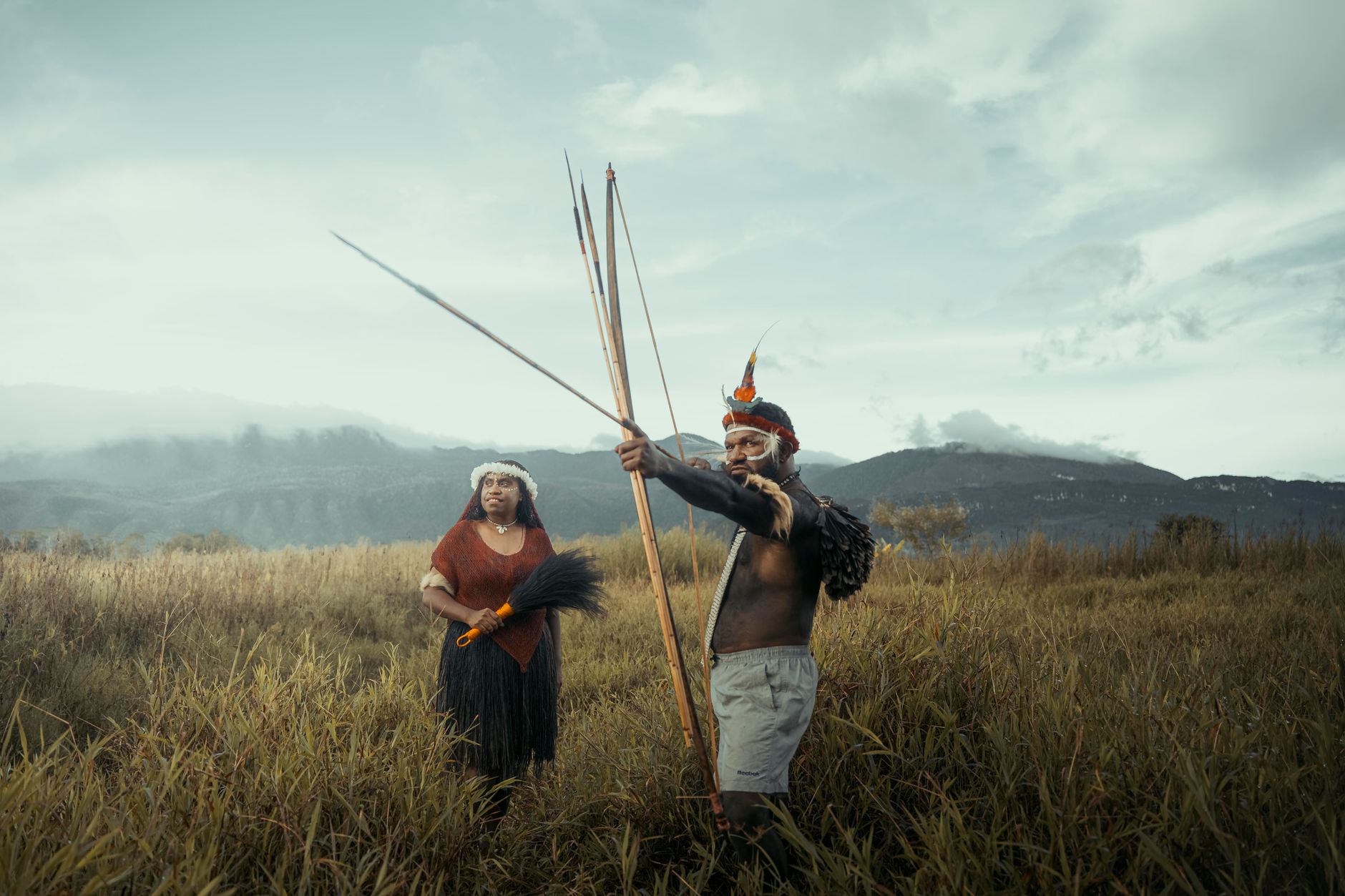
Evenings often feature a sing‑sing, a communal dance where men wear elaborate feathered headdresses and women paint their faces with red ochre. The performance starts around 7 pm, and there’s no admission fee, just a small contribution of $5 for the musicians.
I was invited to try a traditional bilum weaving session; the women used split bamboo needles to create intricate patterns. The workshop lasted an hour, and the instructor let me keep a small woven coaster as a souvenir.
Respect the local customs: ask before taking photos, especially of ceremonial masks, and always remove shoes before entering a family’s hut. A quick apology in the local language, “Sori”, goes a long way if you slip up.
Village homestay meal: $3 per plate, often includes extra serving.
Sing‑sing contribution: $5 for musicians.
Bilum weaving workshop: free, keep a small coaster.
Ask before photographing masks or rituals.
Learn basic greetings: “Sori” (sorry) and “Tumbuna” (thank you).
The Sepik River: Canoe Journeys and Art
From Wewak, a 30‑minute boat ride takes you to the start of a three‑day canoe expedition along the Sepik. The boat is a dugout canoe, paddled by a local who charges $25 per day and supplies fresh fruit for $2.
Day one follows the river’s gentle bend past villages where men carve spirit masks from soft wood. I visited a workshop in the village of Yuat; the carver showed me how to shave the bark away to reveal the grain, a technique passed down for generations.
Night on the river is a unique experience: we anchor the canoe, light a small fire on the shore, and listen to the chorus of frogs. The guide cooks a stew of banana leaves and fish, costing $4 for the whole pot.
On day two we trek inland for a short hike to the famous “Spirit House” at the edge of a swamp. The path is muddy, and I slipped twice, but the guide’s steady hand prevented any falls. Entry to the site is free, though a small donation of $3 is appreciated.
The final day ends at the town of Ambunti, where I caught a flight back to Port Moresby. I left with a handful of carved masks and a deeper appreciation for the river’s role as both transport artery and cultural lifeline.
Canoe guide fee: $25 per day, includes fresh fruit.
Fish stew on riverbank: $4 per pot.
Mask carving workshop: free, optional tip.
Spirit House donation: $3.
Return flight Ambunti → Port Moresby: $180.
When to Go and What to Pack
The dry months from June to September are the safest window for trekking and river travel. In October the rains return, turning mountain paths into slick mudslides and making river levels rise dramatically.
Pack light but be prepared for temperature swings: a thermal shirt for early mornings, a fleece for altitude, and a lightweight rain jacket for sudden showers. I carried a 35‑liter backpack; anything larger felt cumbersome on the steep climbs.
Footwear matters more than you might think. I swapped my regular hiking boots for a pair of waterproof trail shoes with good ankle support; they cost $80 and saved my feet on the muddy sections of the Hindenburg Wall.
Health supplies are a must: a 7‑day antimalarial regimen ($45), a basic first‑aid kit, and plenty of oral rehydration salts. The local pharmacies in Goroka stock cheap paracetamol ($0.10 per tablet) but nothing beyond that.
Don’t forget a power bank and a universal adapter; electricity is 240 V with British‑type plugs, and power outages are common in remote villages. A solar charger can keep your phone alive for a week of photo‑sharing.