




Port Moresby’s Cultural & Natural Attractions: Museums, Wildlife & Landscapes
My first glimpse of Port Moresby was from the small prop plane that skimmed the coastline, the city’s low‑rise buildings spilling out toward the harbor like a puzzle missing a few pieces. The air smelled faintly of sea and diesel, and a sudden rush of humidity reminded me that I was stepping into a place where modern life and raw nature sit side by side.
What follows is a walk‑through of the places that made my week feel less like a checklist and more like a series of unexpected discoveries, museums that tell a story you can’t get from a guidebook, wildlife spots that feel almost private, and landscapes that pull you out of the city’s bustle without a long trek.
Arriving and Getting Around
The main gateway is Jacksons International Airport, a modest runway that handles about 600,000 passengers a year. Customs can be a little slow on Monday mornings, so I arrived on a Thursday afternoon and was through the line in under ten minutes.
From the airport, the most reliable option is a pre‑booked taxi. I used a local app called “Taxi PNG”, the fare was 15 kina (about US$4) to the city centre, and the driver waited while I grabbed a bottle of water from a kiosk. The ride took roughly twenty minutes, depending on the traffic that builds up near the waterfront.
Inside town, buses are called “tuk‑tuks” and they zip around the main streets for as little as 1 kina per hop. They don’t have meters, so it helps to agree on a price before you hop in, I usually paid 2 kina for a short ride to the National Museum. For longer trips, I rented a compact sedan from a local agency; the daily rate was 80 kina, and the agency supplied a basic GPS that worked surprisingly well in the city.
- Airport taxi: 15 kina, book via Taxi PNG app.
- Tuk‑tuk fare: 1-2 kina, always agree on price first.
- Car rental: 80 kina per day, includes basic GPS.
- Cash is king: most drivers prefer kina over cards.
- Traffic peaks 7‑9 am and 4‑6 pm, plan travel accordingly.
Museum Trail
The National Museum and Art Gallery sits on a hill overlooking the harbor, reachable by a short climb from the main road. I arrived at 9 am to avoid the mid‑day heat; the entry fee was 5 kina for adults, and there was a free guided tour every hour that lasted about twenty minutes.
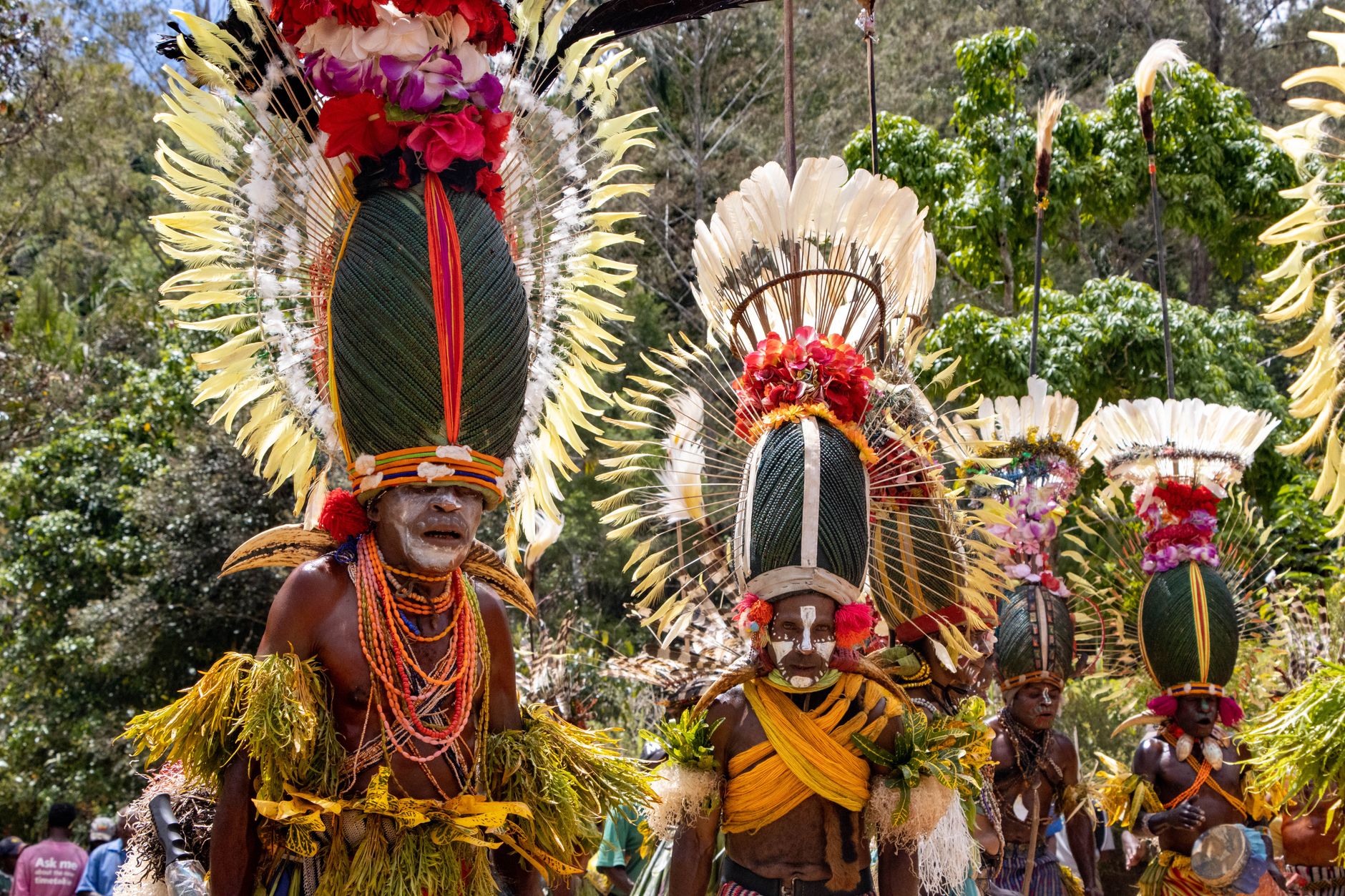
Inside, the first room displayed traditional masks made from turtle shell and dyed bark. One piece, a massive bird mask, had a small crack that let a sliver of light in, a reminder that these objects are handled with care but still live in a busy building.
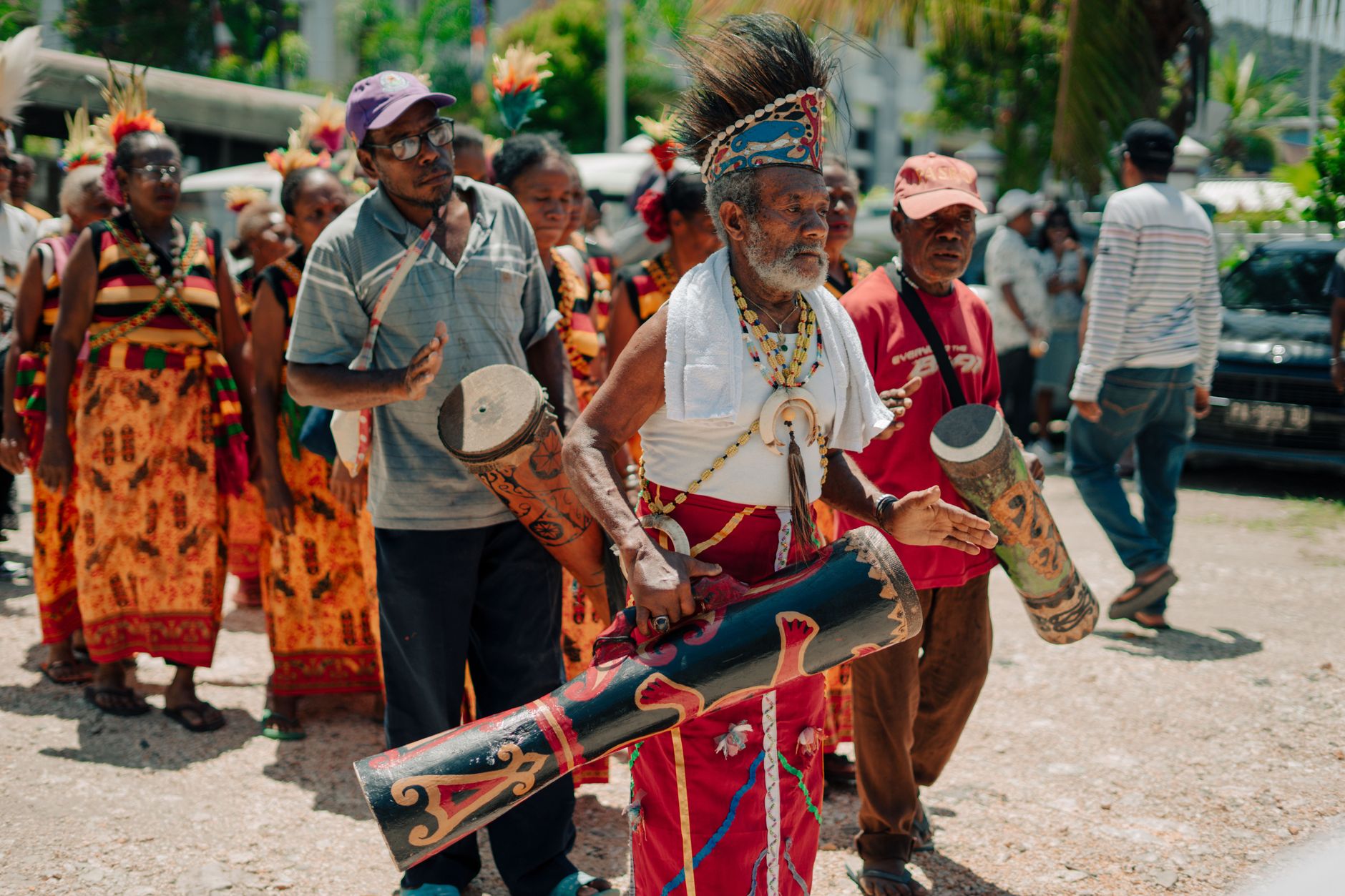
Next, I wandered to the Papua New Guinea Cultural Centre, a complex of exhibition halls and a small theatre. The centre’s “Living Culture” showcase featured a live demonstration of bilum weaving; the weaver explained each knot while her children played nearby, and I bought a small woven pouch for 12 kina.
If you have a few extra hours, the adjacent Port Moresby Nature Park offers a short trail that leads to a viewpoint over the city. There’s a modest fee of 2 kina, and the path is well‑marked, though it can get muddy after a rain.
- National Museum entry: 5 kina, guided tour hourly.
- Cultural Centre demo: free, buy woven items for 10-15 kina.
- Nature Park trail fee: 2 kina, bring waterproof shoes.
- Opening hours: 8 am-5 pm, closed on public holidays.
- Photography: allowed inside, but flash may be restricted.
Wildlife Sanctuaries
The most accessible wildlife spot is the Port Moresby Nature Park, a compact reserve that doubles as a conservation centre. I visited early on a Saturday; the entrance cost 3 kina, and a short talk by a park ranger lasted fifteen minutes.
Inside, I saw a family of tree kangaroos perched on a platform about three metres high. The animals were shy, but a keeper tossed a piece of fruit and one jumped down, allowing a quick photo, a moment that felt like a privilege.
A short walk from the park leads to the Botanical Gardens, where native orchids bloom in clusters of pink and white. The garden’s map points out a “Butterfly Loop” that attracted several blue morpho butterflies; I spent about ten minutes there, watching them rest on my hand.
For a deeper jungle experience, I booked a day trip to Varirata National Park. The driver picked us up at 7 am, and the round‑trip cost 120 kina per person, including a packed lunch of rice, grilled fish, and a banana. The park’s trail to the “Lookout” was steep, taking about an hour, but the view over the valley and the distant sea was worth the effort.
- Nature Park entry: 3 kina, ranger talk free.
- Tree kangaroo feeding: optional tip of 2 kina.
- Botanical Gardens: free, bring insect repellent.
- Varirata day trip: 120 kina, includes transport and lunch.
- Trail gear: sturdy shoes, water bottle, sunscreen.
Landscapes Outside the City
A short drive north takes you to the coastal village of Hanuabada, known for its colourful market and fishing boats. The road is paved but winding; the journey takes about forty minutes, and the driver charged a flat 30 kina for a round‑trip.
At the market, I bought fresh mangoes for 2 kina each and watched women sell woven baskets directly from their homes. The scent of sea‑salted fish grilling on open flames filled the air, and a local offered me a bite of “pandanus leaf wrapped fish”, a simple dish that tasted of smoke and citrus.
Further east lies the Yule Island viewpoint, a spot that offers a panoramic sweep of the Gulf of Papua. There is no entrance fee, but the road can be rough after rain, so a 4×4 is advisable. I parked at the small wooden platform and spent half an hour sketching the horizon while the wind tossed my notebook pages.
If you have a full day, consider the trek to the “Murray River Falls” in the highlands. The trip requires a local guide, I booked one for 80 kina per day, and the drive to the trailhead is about two hours on a gravel road. The hike to the falls is moderate, taking roughly three hours round‑trip, and the waterfall itself drops about fifteen metres into a clear pool.
At the base of the falls, I swam for a few minutes; the water was chilly but invigorating. The guide shared stories about the river’s significance to nearby villages, and we exchanged a few words in Tok Pisin, “gutpela” (good) and “tenkyu” (thank you), which felt like a small bridge across cultures.
- Hanuabada market: 30 kina round‑trip, buy mangoes for 2 kina.
- Yule Island viewpoint: free, 4×4 recommended.
- Murray River Falls guide: 80 kina per day, hike 3 hours.
- Pack: swimwear, insect net, sturdy shoes.
- Cash: many villages accept only kina, no ATMs.
Local Flavors and Markets
Port Moresby’s food scene is a blend of Pacific, Asian, and colonial influences. My favorite lunch spot was “The Waterfront”, a modest restaurant on the harbor front that served a plate of “kaukau” (sweet potato) mash with grilled barramundi for 25 kina.
For a quick snack, the “Market Street” stalls sell “sago pudding”, a sweet, gelatinous dessert made from sago flour and coconut milk. A small cup cost 3 kina, and the vendor offered a free sample before I decided to buy one.
The night market near the National Arts Centre is where I found the most adventurous bites. One stall served “taro chips” that were twice as crunchy as potato chips, seasoned with sea salt and a hint of chili. I bought a bag for 5 kina and shared it with a couple of locals who recommended the “coconut crab” dish at a nearby seafood bar.
When it comes to drinks, the local brew “kava” is served in small wooden bowls at many community gatherings. I tried it at a cultural centre event; the taste was earthy and slightly bitter, and the effect was a gentle calm that lasted an hour. If you’re not used to it, start with a half‑bowl.
- The Waterfront lunch: 25 kina for fish and sweet potato.
- Sago pudding: 3 kina, try the free sample.
- Night market taro chips: 5 kina, share with friends.
- Kava: served in wooden bowls, start with half a bowl.
- Stay hydrated: carry a reusable bottle, tap water is not safe to drink.
Practical Tips for the Savvy Traveller
Visas for most visitors are granted on arrival, but the officer will ask for a return ticket and proof of accommodation. I paid the 75 kina visa fee at the airport and received a stamp that was valid for 30 days.
Internet access is spotty in