Papua New Guinea Island Hopping: How to Explore Its Remote Pacific Islands
pranav
–
September 16, 2026
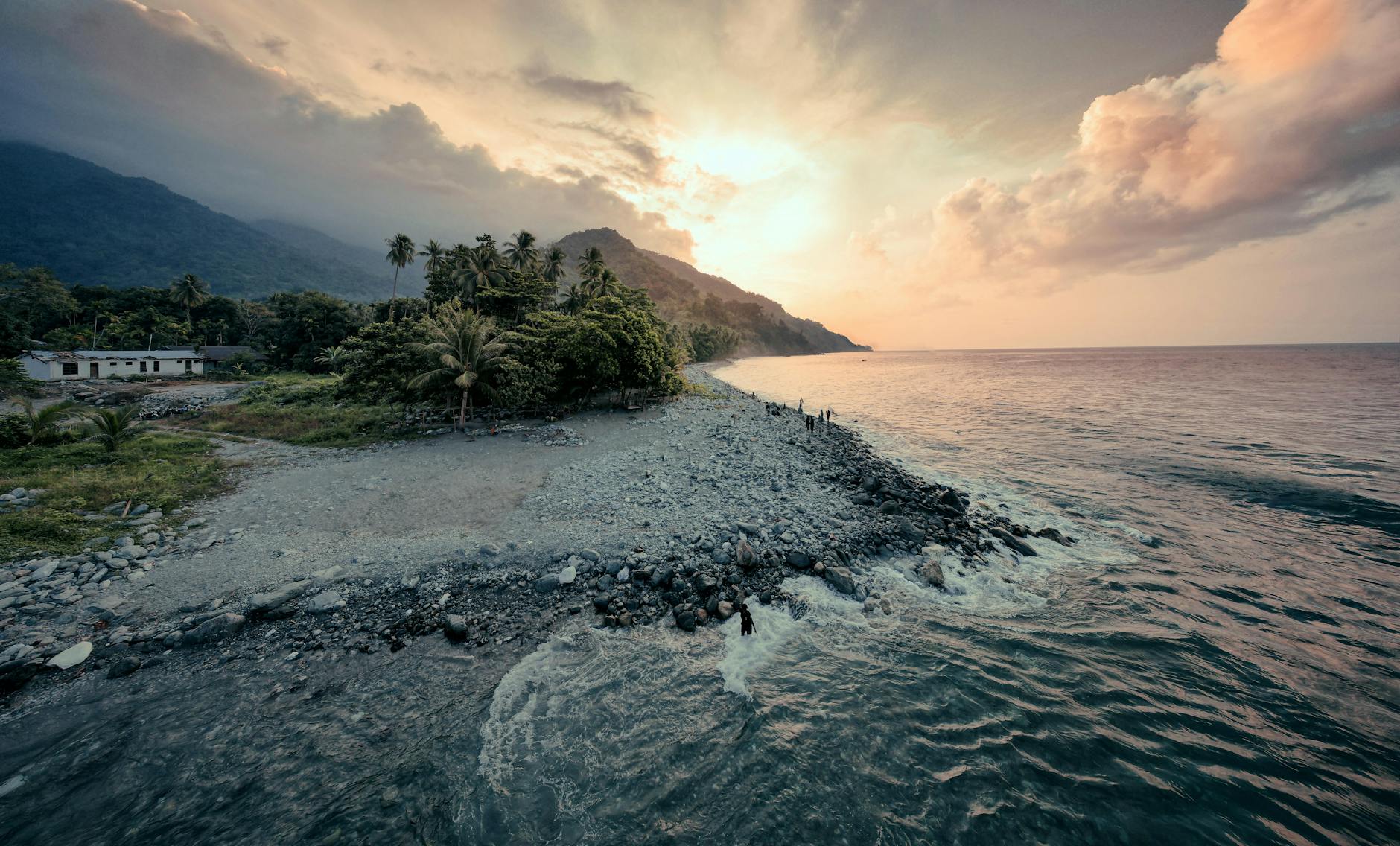
Papua New Guinea’s island chain reads like a secret map you’ve stumbled on in a thrift‑store atlas. The planes touch down on a concrete runway in Port Moresby, but the real adventure begins when you trade wheels for a wooden outrigger and a sense of curiosity for the unknown.
Getting There: Flights, Visas, and Money
The main international gateway is Jacksons International Airport, a surprisingly tidy hub with a handful of cafés serving instant coffee and fresh fruit. From there, a two‑hour domestic flight to Lae or Madang costs about US$120‑150 each way, depending on the carrier and how early you book.
Visas are issued on arrival for most nationalities; the fee is 150 kina (roughly US$45) and you’ll need a passport with at least six months validity. Keep a few US dollars handy for the first few days, many remote outposts only accept cash, and ATMs are a rarity outside the capital.
Round‑trip international flight to Port Moresby: US$1,200‑1,600 from the US.
Domestic flight to a coastal hub: US$120‑150.
Visa on arrival: 150 kina (US$45).
Carry US$200‑300 in small bills for initial expenses.
Check airline baggage limits, many local carriers allow only 20 kg.
Choosing Your Islands: Where to Focus Your Time
Papua New Guinea’s archipelago splits into three main clusters that each feel like a different country. The Bismarck Archipelago, home to New Britain and New Ireland, offers volcanic beaches and WWII wrecks. The Admiralty Islands, especially Manus, are a gateway for dive operators. The far‑flung Louisiade chain feels like a tropical myth, with coral atolls that barely register on most maps.
If you’re on a two‑week schedule, I recommend basing yourself on New Ireland for the first five days, then hopping to Manus for a dive week, and finally catching a charter to the Louisiade islands for a three‑day cultural immersion. The ferry between New Ireland and Manus runs twice a month, costs about US$80, and takes roughly 12 hours, expect a few stops at tiny villages where the boat refuels on diesel from a roadside tank.
Don’t be fooled by the glossy travel photos; some of the smaller islands lack proper piers. You’ll often have to wade through shallow water to reach the shore, and a local guide will help you navigate the coral reefs without tearing your sandals.
New Ireland (Kimbe, Kavieng): 5‑day base, surf, cultural villages.
Ferry between New Ireland and Manus: US$80, 12 hours, twice monthly.
Charter flights to remote atolls: US$250‑300 round‑trip, 45 minutes.
Getting Around: Boats, Flights, and Ground Transport
Domestic airlines like Air Niugini and PNG Air dominate the sky, but their schedules shift like the tides. I learned to keep a spreadsheet of flight numbers, departure windows, and the contact of a local travel agent in Port Moresby who could pull a seat at the last minute. Expect a 30‑minute delay on average; the planes are older, and the runway conditions can change with weather.
On the water, speedboats are the norm for island‑hopping. A typical 30‑seat motor launch from Kavieng to nearby islands charges US$15 per passenger for a two‑hour ride, but you’ll need to negotiate a return ticket if you plan to stay overnight. For true isolation, charter a wooden canoe with a local crew, they charge about US$120 for a day, inclusive of fuel and a guide who knows where the best snorkeling spots hide.
Land travel on the larger islands is a patchwork of minibusses, “jumbos” (old Toyota Hilux trucks), and footpaths that disappear into the jungle. A minibus from Kavieng to the coastal town of Namatanai costs roughly PGK 30 (US$10) and takes three hours, with the driver stopping at roadside stalls selling boiled peanuts and fresh taro leaves.
Accommodation ranges from basic wooden rooms with mosquito netting to eco‑lodge bungalows perched over the reef. In Kavieng, I stayed at a family‑run guesthouse for US$35 a night; the owners cooked fresh fish on a charcoal grill and shared stories about the island’s war history. The rooms had no air‑conditioning, but a ceiling fan and a cracked window kept the humidity tolerable.
On Manus, the most affordable option is a community lodge near the dive centre. Beds cost US$25, meals are US$8 for a plate of coconut rice and grilled squid, and you get a free dive if you book a two‑night stay. The downside is intermittent electricity, you’ll hear the generator kick in at 10 pm and again at 6 am.
If you can stretch the budget, the Misima Island Eco‑Resort offers solar‑powered cabins for US$120 per night, a private deck, and a guide who can arrange a night walk to spot the endemic tree kangaroo. Bookings need to be made at least three weeks ahead; the resort’s only internet connection is a shaky satellite link that works best at sunrise.
Manus community lodge: US$25/night, meals US$8, free dive with 2‑night stay.
Misima Eco‑Resort: US$120/night, solar power, private deck.
Camping on smaller atolls: US$10 for a spot, bring your own tarp.
Bring a portable power bank, outlets are scarce.
What to Do: Snorkeling, Trekking, and Cultural Encounters
The underwater world is the headline act. In the Admiralty Islands, a dive at the wreck of the SS Mikado reveals rusted gun turrets encrusted with coral, and schools of barracuda that circle the deck like metallic clouds. A single dive costs US$70, equipment included, and the dive master will take you to the “garden reef” where soft corals glow in the late afternoon light.
On New Ireland, the inland trek to the village of Kainantu is a four‑hour hike through rainforest, past waterfalls that tumble into crystal pools. The path is unmarked, so you’ll need a guide who charges US$30 for the day. The reward is a community feast of banana leaf‑wrapped pork, followed by a traditional sing‑song that lasts well into the night.
Cultural immersion is easiest on the Louisiade islands, where you can spend a night in a thatched “haus” with a local family. They’ll teach you how to weave pandanus mats and explain the significance of the “shell money” they still use for small transactions. The experience costs around US$40 per person, including a simple dinner of taro and fish.
Wreck dive (Manus): US$70, equipment included.
Reef snorkel (New Ireland): free, rent gear US$10.
Rainforest trek (Kainantu): US$30 guide, 4 hours.
Village stay (Louisiade): US$40, includes dinner.
Always carry a reef‑safe sunscreen (SPF 30, biodegradable).
Packing and Practical Tips: Gear, Health, and Connectivity
Pack light, but bring the essentials. A quick‑dry shirt, sturdy sandals, and a pair of waterproof hiking boots cover most terrains. I learned the hard way that flip‑flops dissolve in the saltwater after a week, so keep a spare pair in a zip‑lock bag. A good mosquito net is non‑negotiable; malaria prophylaxis is recommended by most travel clinics, and a small bottle of DEET‑based repellent lasts the entire trip.
Health facilities are basic outside the capital. Carry a small medical kit with band‑aids, antiseptic wipes, and any prescription medication. The nearest clinic on Manus is a two‑hour drive from the dive centre, and they only have oral rehydration salts and basic antibiotics. If you have a chronic condition, bring enough medication for the whole journey, resupply is unpredictable.
Connectivity is spotty. The only reliable internet is at the main hotels in Port Moresby and a few tourist lodges in Kavieng. For the remote islands, buy a local SIM card (costs PGK 10 for a data bundle of 2 GB) and use messaging apps over the 3G network. Expect a few minutes of lag when you try to upload a photo from the beach.