




New Britain Travel Guide: Volcanoes, Villages & Underwater Adventures
New Britain feels like a secret the world has only just begun to whisper about. I spent three weeks hopping between volcanic craters, coastal villages, and reef‑filled bays, and every day felt like opening a new chapter in a travel diary.
If you’re planning a trip, start by bracing for the logistics, flights are few, roads are rugged, and the weather can change on a dime. Below is a realistic snapshot of what I dealt with, from the moment I left Port Moresby to the last splash in a lagoon.
Getting There and Getting Around

Domestic flights from Port Moresby land at Rabaul (RGN) or Kokopo (KKP) and cost roughly US$250‑$350 one‑way, depending on the airline and how early you book. I booked a round‑trip ticket with Air Niugini two months ahead; the price held steady and the seats were decent, though the baggage allowance was only 15 kg.
From the airport, a shared minibus (known locally as a “bus‑tuk”) whisks you to the town centre for about PGK 10 (US$2.80). The ride is bumpy, the windows are open, and you’ll smell diesel mixed with fresh banana leaves.
Roads between the main towns are mostly gravel; a 4‑wheel‑drive vehicle is essential if you want to venture beyond the coastal highways. I rented a Toyota Hilux for US$55 per day, fuel was PGK 7 per litre, and I kept a spare tire and a can of oil in the back just in case.
- Book flights at least six weeks ahead for the best price.
- Carry a small amount of US dollars; many vendors only accept cash.
- Rent a 4WD with a driver who knows the mountain passes.
- Bring a waterproof map; GPS signal drops in the highlands.
Volcanoes: The Fiery Heart of New Britain
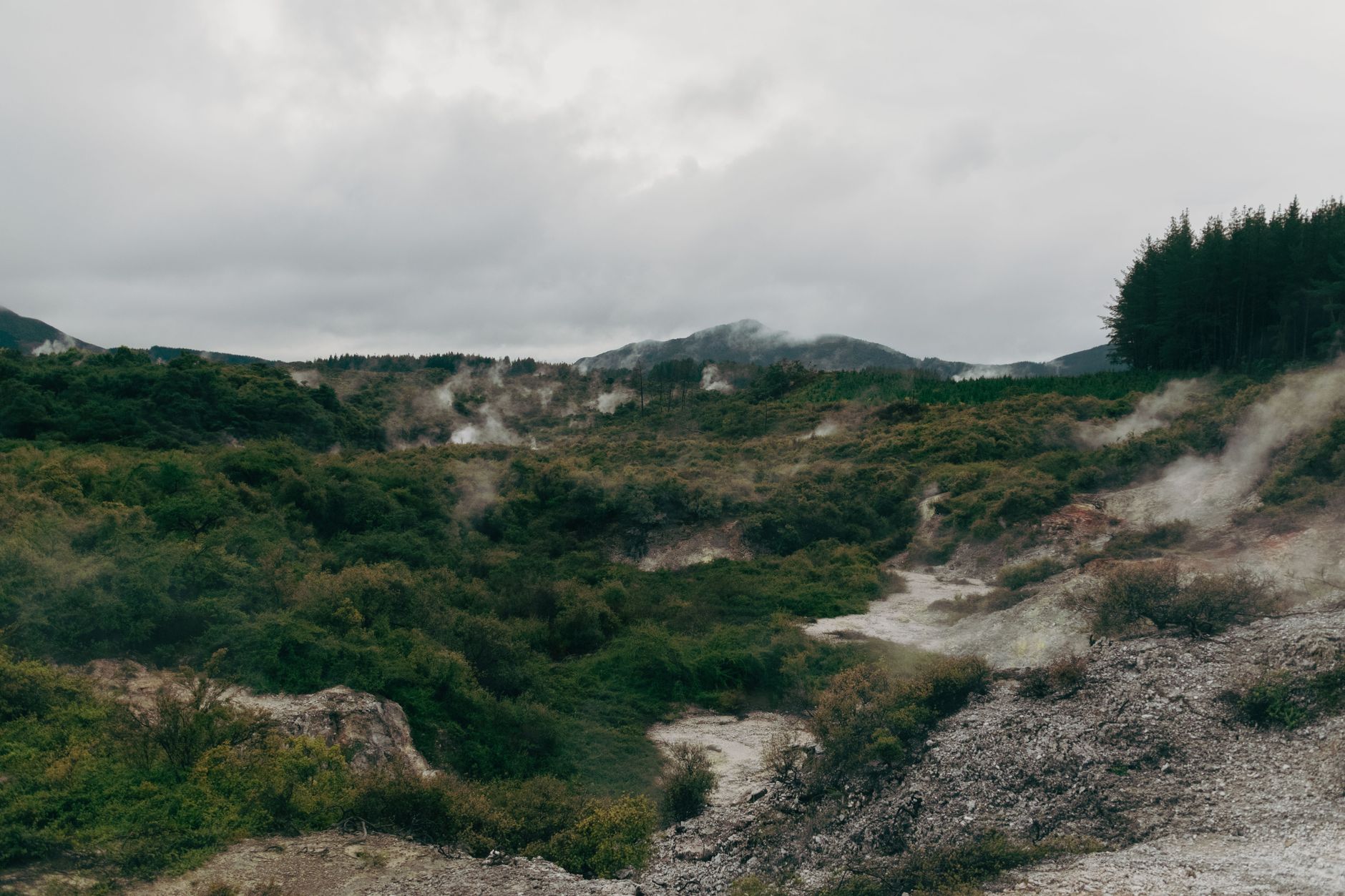
Mount Tavurvur erupted spectacularly in 1994, and its ash‑laden plume is still a reminder of the island’s volcanic vigor. I joined a local guide for a sunrise trek up the crater rim; the climb took about three hours, and the air grew thin enough to make my breath feel ragged.
At the summit, the crater floor was a black lake of steaming water, and the smell of sulphur was so strong it made my eyes water. The guide, a former geology student named Lani, explained that the lake’s temperature hovers around 70 °C, and you can see tiny bubbles rising like a slow‑motion lava lamp.
For a less intense experience, the volcanic hot springs at Rabaul’s east side are free to use and cost only PGK 5 for a towel. I soaked for half an hour, the water was 45 °C, and the surrounding jungle made the whole thing feel like a natural spa.
Timing matters: the dry season (May to October) offers clearer skies for photography, while the wet season can make the trails slick and the volcanoes more active. I visited in August, so the weather was cooperative and the clouds stayed low enough to frame the mountain in dramatic silhouettes.
- Hire a guide for any volcano trek; costs are PGK 120 per day.
- Carry a headlamp with extra batteries for early morning hikes.
- Bring a thick jacket; temperatures drop to 10 °C at altitude.
- Pack a small first‑aid kit with antihistamines for sulphur irritation.
Village Life and Cultural Highlights
The coastal village of Tol, perched on a cliff overlooking the Bismarck Sea, felt like stepping back in time. I arrived on a Friday afternoon, and the locals invited me to share a kava ceremony that lasted until sunset.
Women prepared a feast of taro, banana leaf‑wrapped fish, and coconut cream that cost only PGK 15 per plate. The flavors were earthy, the fish was fresh off the reef, and the coconut added a sweet finish that lingered on my tongue.
On Saturday, I joined a weaving workshop where elders taught me how to twist pandanus leaves into mats. The session lasted two hours, and I left with a small coaster that still smells faintly of the forest.
Transportation to remote villages often involves a short boat ride; the motorboat from Rabaul to Tol cost PGK 30 per person and took about 45 minutes across choppy waters. The skipper played a local radio station that mixed traditional chants with modern pop, an odd but pleasant soundtrack.
- Respect local customs; ask before taking photos of people.
- Bring a reusable water bottle; fresh water is scarce in villages.
- Buy handmade souvenirs directly from artisans; prices are negotiable.
- Carry insect repellent with DEET; mosquitoes are relentless at dusk.
Underwater World: Diving and Snorkeling
The reefs off Kimbe Bay are some of the most biodiverse in the Pacific. I booked a two‑day live‑aboard dive with a small crew of five; the price was US$180 per night, all‑inclusive, with meals of grilled fish and fresh fruit.
Day one’s dive at the “Wall of Death” dropped us to 30 meters where schools of yellowfin tuna swam alongside giant trevallies. Visibility was 20 meters, and the water temperature stayed at a comfortable 27 °C.
On the second day, a shallow snorkel at a mangrove lagoon revealed soft coral gardens and a shy octopus that changed colour as I approached. I rented a snorkel set for PGK 25, and the guide handed me a waterproof camera case for my phone.
Safety is taken seriously: the dive shop required a current‑certified PADI Open Water card, and they performed a brief equipment check each morning. I appreciated the thoroughness, especially when a sudden squall rolled in and the boat had to anchor for an hour.
- Bring a reef‑safe sunscreen; chemicals can damage corals.
- Pack a dry bag for electronics; even a quick splash can ruin them.
- Carry a small underwater flashlight for night dives.
- Book dives early in the season (June‑August) for calm seas.
Food, Drink and Nightlife

Street food in Rabaul is a highlight; a bowl of “sago pudding” with coconut milk costs PGK 8 and is both sweet and filling. I tried “kula”, a fermented banana paste, from a stall that had been there for decades.
For a sit‑down meal, the “Seaside Grill” on the harbor offers fresh lobster for PGK 120, served with a side of lemon‑herb rice. The chef, a former fisherman, explained that the lobster is caught early in the morning and grilled on a wood fire.
Nightlife is low‑key. A local bar named “The Coconut” plays reggae and traditional drum music; a cold beer (Fiji or local “Bula”) costs about PGK 6. I spent an evening there chatting with expats who shared tips about hidden waterfalls.
If you’re a coffee lover, the highland town of Goroka (a short flight away) offers a tasting tour of Arabica beans grown on volcanic soil. The tour costs US$30 and includes a walk through the processing plant.
- Try sago pudding with fresh fruit for a cheap breakfast.
- Drink water from sealed bottles; tap water is not reliable.
- Carry a small amount of cash for market stalls; cards are rare.
- Respect quiet hours after 10 pm in village guesthouses.
Practical Tips and Packing Essentials
Travel insurance is a must; I chose a policy that covered medical evacuation for US$120 per month. The nearest hospital with an ICU is in Rabaul, but severe cases are flown to Port Moresby, a two‑hour flight away.
Pack light, quick‑dry clothing, sturdy hiking boots, and a pair of reef‑safe sandals. I also brought a portable solar charger (5 W) that kept my phone alive for a week despite the limited electricity in remote lodges.
Currency: the Papua New Guinean kina (PGK) is the only legal tender; exchange rates at the airport were 1 USD = PGK 3.45. I exchanged a small amount at the airport and then used a local bank in Rabaul for the rest, which offered a better rate.
Connectivity can be spotty; I bought a prepaid SIM card from Digicel for PGK 30, which gave me 2 GB of data for a week. It was enough for navigation and a few photos, but I turned off automatic updates to conserve data.
- Bring a lightweight rain jacket; showers are sudden.
- Pack a basic first‑aid kit with plasters and antiseptic wipes.
- Use a dry sack for clothing; humidity is high.
- Carry a small flashlight with extra batteries for night walks.
- Leave a copy of your itinerary with a friend back home.
New Britain is raw, rugged, and rewarding. The volcanoes roar, the villages welcome you with open arms, and the underwater world dazzles at every turn. If you’re willing to trade polished tourist routes for authentic experiences, this island will stay with you long after you leave.