




Papua New Guinea Islands Guide: The Best Places for Beaches, Diving & Adventure
When I first stepped off the small prop plane onto the tarmac of Alotau, the humid air smelled of seaweed and fresh rain. The islands of Papua New Guinea are not on most tourist maps, but that is exactly why they feel like a secret kept for those who are willing to travel a little farther. Over two weeks I hopped between sand‑capped atolls, coral gardens that glow at dawn, and jungle‑clad peaks that rise straight out of the ocean. Below is the practical guide I wish I had before I set out, with real costs, timing tricks and the spots that made my trip unforgettable.
How to Arrive and Move Between Islands

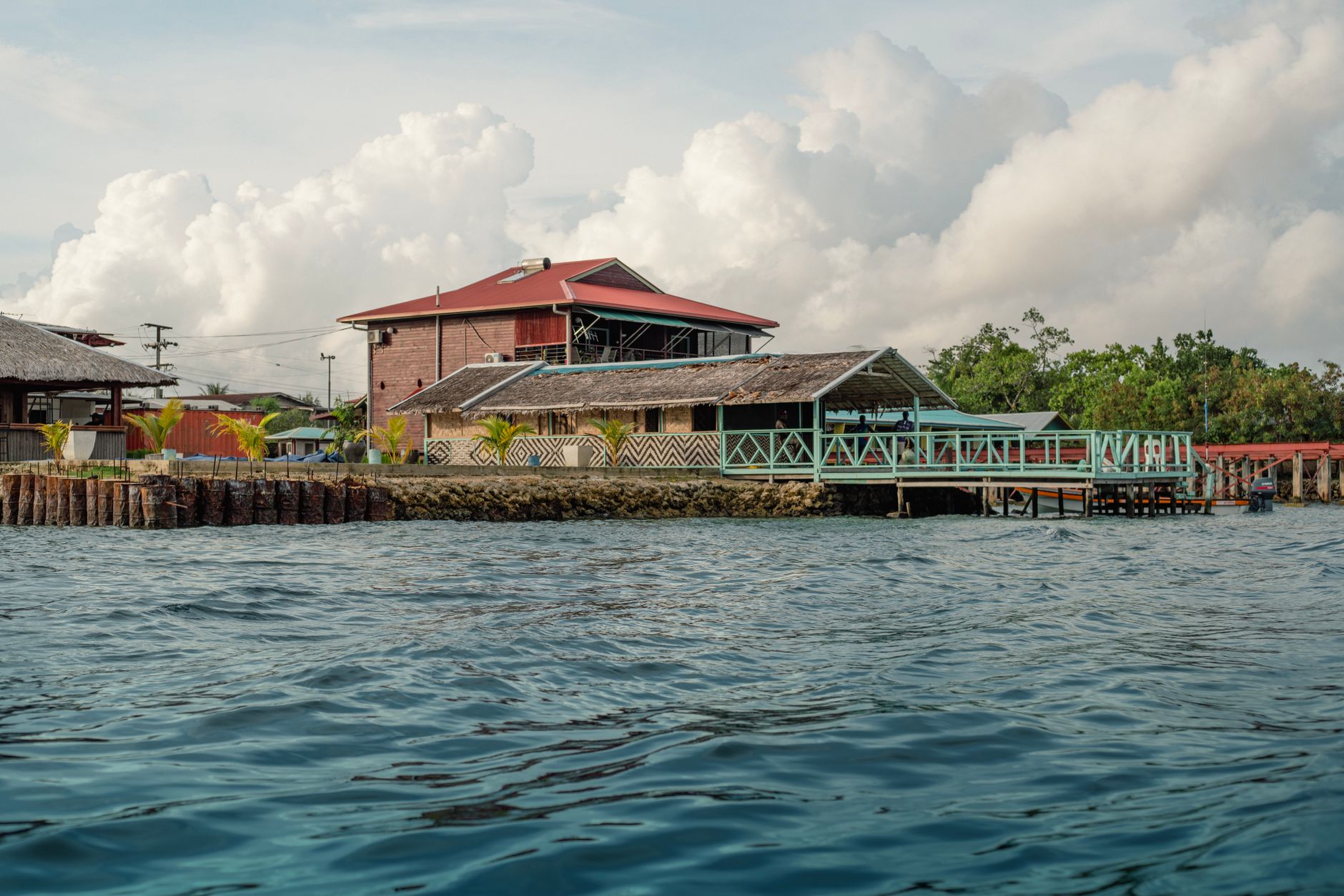
The main gateway into PNG’s island region is Port Moresby International Airport. From there, a domestic flight to Alotau in Milne Bay costs around US$150 one‑way on Air Niugini, and takes just under an hour. If you’re on a tighter budget, the PNG Air charter service runs a weekly Thursday flight for about US$120, but seats fill up fast.
Once you’re on the mainland, the cheapest way to reach the outer islands is by “ketch”, a motorised wooden boat that locals use for cargo and passengers. A typical 4‑hour ride from Alotau to the Tufi Peninsula costs roughly PGK 30 (US$8) per person, and the crew will gladly wait for you if you miss the scheduled departure.
- Domestic flight Port Moresby → Alotau: US$150 one‑way, 55 min.
- Ketch from Alotau to Tufi: PGK 30 (US$8), departs 9 am, 4 hrs.
- Inter‑island speedboat (e.g., to Milne Bay islands): US$25 per seat, 30‑45 min.
- Cash only on most boats; bring small bills and a spare US $20.
- Travel insurance that covers evacuation is essential; the nearest hospital is in Alotau.
Beach Paradise, Milne Bay’s Hidden Sands
Milne Bay is a collection of over 600 islands, but the ones I loved most were Samarai, Kiriwina and the tiny island of Kiri. Samarai’s main beach is a long stretch of powdery white sand backed by coconut palms that sway in the constant sea breeze. The tide is low enough at high noon to wade out a few meters, and the water is warm enough for a quick dip without a wetsuit.
Kiriwina, the largest of the Trobriand Islands, feels like a private resort even though there are only a handful of guesthouses. I stayed at the Kiriwina Beach Lodge for US$45 a night, which includes breakfast of fresh banana bread and a guided walk to a nearby lagoon. The lagoon is perfect for kayaking; you can rent a single‑person kayak for PGK 15 (US$4) for the whole day.
- Kiriwina Beach Lodge: US$45/night, breakfast included.
- Kayak rental at Kiriwina lagoon: PGK 15 (US$4) per day.
- Best time for sunbathing: May to October, dry season.
- Bring reef‑safe sunscreen; many resorts sell refillable bottles.
- Local tip: buy fresh fruit from the market early morning for cheap snacks.
Diving Hotspots, Tufi and the Bismarck Sea
If you think the Great Barrier Reef is the ultimate dive, you haven’t seen the vertical walls that plunge off Tufi’s coastline. The dive shop at Tufi Dive Centre charges US$120 for a two‑tank day dive, equipment included, and they’ll take you to sites like “The Wall” where you can see giant potato cod and schools of barracuda. I booked a morning dive on a Tuesday; the crew offered a free reef walk before the boat left at 7 am.
Further north, the Bismarck Sea around New Ireland offers night dives that feel like swimming through an underwater lantern show. I joined a group of four for a night dive on the “Moonlight Reef”, the entry fee was US$140 because you need a special lantern and a nitrox fill. The dive lasted 45 minutes, but the sight of glowing soft corals made it worth every penny.
- Tufi Dive Centre: US$120 per two‑tank day dive, includes gear.
- Night dive on Moonlight Reef: US$140, includes lantern and nitrox.
- Best visibility: June to August, after the southeast trade winds settle.
- Bring a reef‑safe dry bag; many dive operators charge extra for rentals.
- Tip: book a dive at least 24 hours in advance, as boats often fill up quickly.
Adventure on Land, New Britain’s Volcanoes and Waterfalls
New Britain is a volcanic island where the landscape changes from black sand beaches to dense rainforest in minutes. I trekked the active volcano of Mt. Tavurvur near Rabaul; the hike is steep but the trail is well‑marked and takes about three hours round‑trip. A local guide charges PGK 80 (US$22) for a half‑day trek, and he supplies a portable stove for a simple lunch of boiled cassava.
On the opposite side of the island, the waterfall at Kokopo is a refreshing stop after a long drive. The entrance fee is a modest PGK 5 (US$1.40), and you can swim in the plunge pool for free. The road to the falls is a dusty two‑lane track, so I recommend hiring a 4×4 from the Rabaul market for about PGK 150 per day.
- Mt. Tavurvur guide fee: PGK 80 (US$22) for 3‑hour hike.
- 4×4 rental in Rabaul: PGK 150 (US$41) per day, includes driver.
- Kokopo waterfall entrance: PGK 5 (US$1.40).
- Best trekking months: April to September, less rain.
- Pack a sturdy pair of hiking boots; the volcanic ash can be slippery.
Cultural Encounters, Sepik River Islands and Village Life
The Sepik River may not be an island, but its network of side islands hosts some of PNG’s most vibrant cultural experiences. I spent two nights on Yawan Island, staying with a family who offered a room for US$30 per night, meals included. They taught me how to weave a simple basket from pandanus leaves, a skill that takes weeks to master but a few minutes to learn under their guidance.
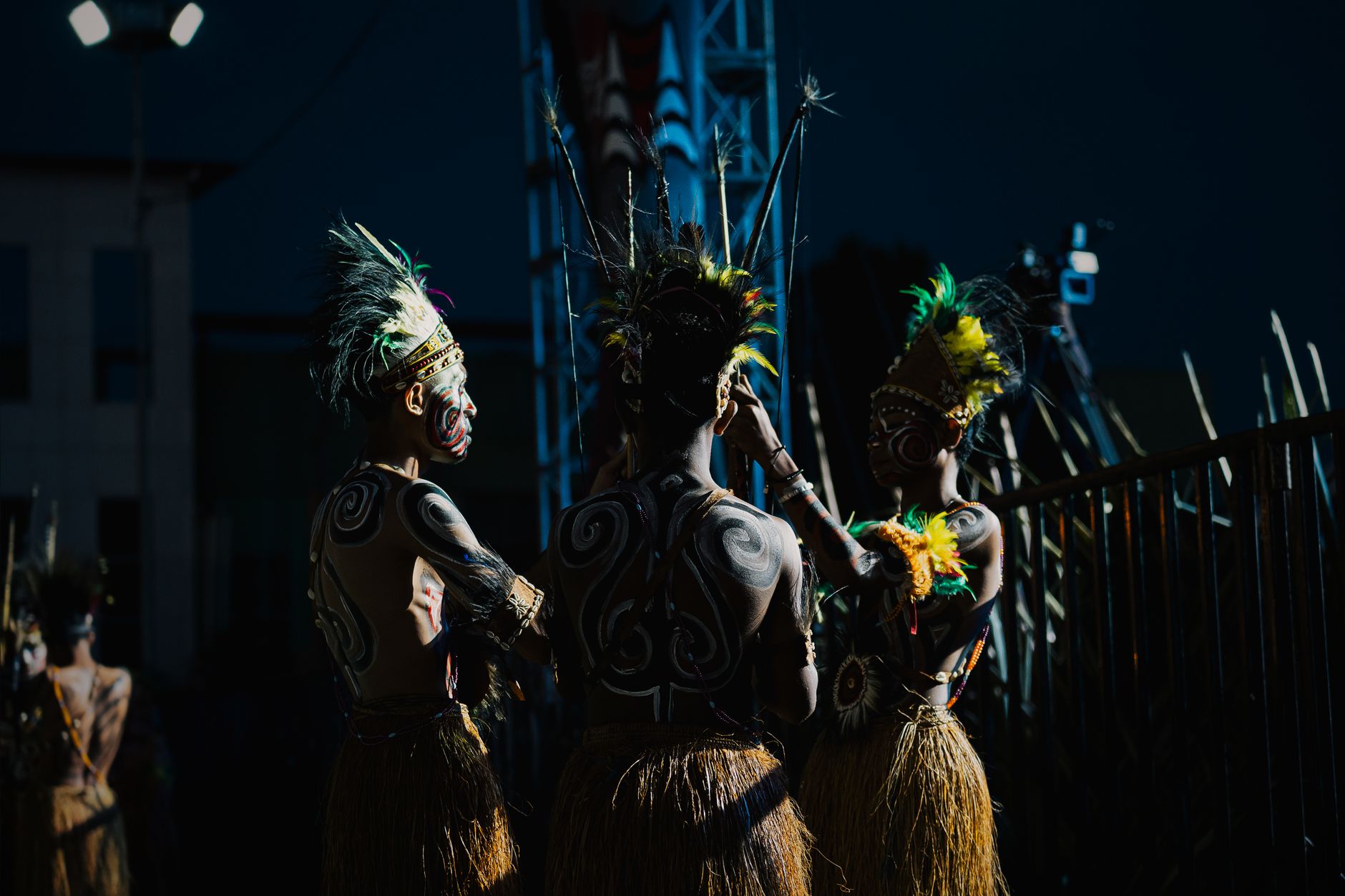
Evenings on the island are lively; the community gathers around a fire to share stories and sing in their native language. If you’re lucky, you’ll witness a traditional sing‑sing ceremony, where dancers wear elaborate headdresses made of feathers and shells. The entry fee is a small donation of US$5, which goes straight to the village fund.
- Yawan Island homestay: US$30/night, meals included.
- Basket‑weaving workshop: free, but bring a small tip.
- Sing‑sing ceremony donation: US$5 per person.
- Travel to Sepik: fly Port Moresby → Wewak (US$180), then 2‑hour boat.
- Bring a reusable water bottle; fresh water is sold in small bottles for PGK 2.
Practical Tips, Packing List and Budget Overview
Before you book, sketch out a rough budget. My total cost for a ten‑day island loop came to about US$1,850, including flights, accommodation, meals, dive fees and transport. That breaks down to roughly US$185 per day, which is modest compared with many tropical destinations, but you need to plan for cash‑only transactions on most islands.
Pack light but be prepared for humidity, rain and occasional mud. I carried a 40‑liter dry sack, a quick‑dry towel, reef‑safe sunscreen, a pair of water‑proof sandals and a sturdy daypack. A small power bank proved invaluable; electricity on the smaller islands is limited to a few hours a day, and most guesthouses only have 110 V sockets.
- Daily budget: US$180‑200 (flights, meals, activities).
- Cash: bring US$300 in small bills for the first week.
- Essential gear: reef‑safe sunscreen, quick‑dry towel, power bank.
- Health: take anti‑malaria tablets if you plan to stay inland.
- Travel insurance with evacuation coverage is non‑negotiable.
PNG’s islands are rugged, beautiful and unapologetically raw. If you can handle a bit of uncertainty, you’ll be rewarded with coral reefs that sparkle like glass, beaches that feel untouched, and a warmth from the locals that stays with you long after you leave. Pack your curiosity, keep an eye on the weather, and let the islands show you a side of the Pacific most travelers never see.