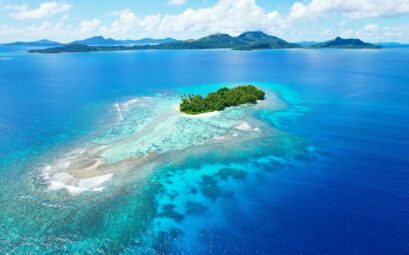
Exploring The Enchanted Islands of Micronesia

Journey across the charming world of Micronesia – where paradise awaits. by Dr Annette Santos.

Situated along the breathtaking waters of the Pacific Ocean, this secluded archipelago comprised of Guam, Saipan-Rota-Tinian, Palau, Pohnpei, Yap, Chuuk, Kosrae, Nauru and the Marshall Islands holds a treasure trove of unique experiences for the intrepid traveller. Whether you seek pristine beaches, ancient ruins, vibrant cultures, or thrilling adventures, Micronesia offers a melange of unparalleled beauty, notable history, and extraordinary moments. Let’s dive into the hidden wonders of this remarkable region.

Vibrant Guam culture
Begin your adventure in Guam, a captivating gem in Micronesia’s crown. Immerse yourself in the vibrant fusion of history, food, and experiences that make up Guam’s culture. Explore the ancient latte stone parks, learn the history of the Spanish colonial era, witness the profound impact of World War II at war memorials like the Malesso Tinta and Faha Massacre sites, Fort Nuestra Señora de la Soledad, and the War in the Pacific National Historical Park that pay homage to the island’s tumultuous past. Delve into the vibrant Chamorro Village and indulge in tantalizing local cuisine. Not too far from the world’s deepest ocean, Guam offers a spectacular underwater experience for snorkelling and diving enthusiasts. Hike Mount Lamlam, the tallest mountain in the world. Experience the warmth of island hospitality along the sun-kissed beaches down Tumon Bay or escape to Ritidian Point Beach for a more peaceful and relaxed setting. The island offers a perfect blend of relaxation and cultural exploration.

Historical significance of The Marianas
Continue your journey to the enchanting islands of Saipan, Rota, and Tinian, collectively forming a trinity of natural wonders and ethereal beauty. Traverse the otherworldly expanse of the Grotto in Saipan, a limestone cavern popular for diving, and bask in the sun as you take in the remarkable view from the Bird Island Observatory lookout point. Experience the haunting tranquillity of the Last Japanese Command Post, a remnant of the Battle of Saipan. On Rota, explore ancient Chamorro culture at Taga Latte Stone Quarry and discover a serene escape with its idyllic beaches and lush landscapes where you may stumble across the Old Japanese Cannon. You might even sneak in some snorkeling to see the amazing underwater caves. Then, hop over to Tinian to explore its historical significance, particularly as a staging point for the atomic bombings of Hiroshima and Nagasaki during World War II. Discover pristine and secluded beaches like Taga Beach, Tachogna Beach, or Chulu Beach. Scuba enthusiasts need to experience the underwater Dump Cove and the Tinian Grotto, an incredible cavern diving experience. Each island, with its unique charm, adds a layer to the captivating appeal of this Marianas paradise.

A diver’s paradise in Palau
Moving on to Palau, it is a diver’s paradise and more! Prepare to be enchanted by this mesmerizing destination abounding in majestic coral reefs and colourful marine life. Dive into the famed Jellyfish Lake, where you can swim amidst a surreal display of pulsating jellyfish. By boat, discover the hidden lagoons of the Rock Islands, kayak through emerald waters, and witness the gossamer beauty of the Milky Way lagoon at night. Discover the ancient ruins of Airai and delve into Palauan folklore and traditional customs. Palau’s natural magnificence is hypnotic.

Pohnpei’s prehistoric sites
Next, embark on a voyage to Pohnpei, a haven of tranquility and the site of the remarkable Nan Madol, a UNESCO World Heritage site and an architectural phenomenon of prehistoric stone technology. Traverse the verdant rainforest trails to reach the awe-inspiring Sokehs Rock, a towering basalt outcrop offering breathtaking panoramic views. Immerse yourself in the charming and enigmatic Kepirohi Waterfalls and explore the island’s rich history at the Pohnpei State Museum.

Ancestral traditions of Yap
We journey on to the remote island of Yap to experience a cultural immersion like no other. Witness the intriguing stone money banks, the whispering stone pathways, and enjoy traditional Yapese dancing. Dive beneath the crystal-clear waters and witness the majestic, graceful dance of the manta rays, which gather in numbers unparalleled anywhere else in the world. Unearth the enigmatic stone disc relics and marvel at the unique ancestral traditions that have endured the test of time on this captivating island.

Chuuk’s flourishing reefs
Make way to the island of Chuuk, where a submerged museum containing the remnants of World War II awaits beneath the unassuming turquoise sea. Dive amidst the eerie yet captivating sunken warships that, over time, have transformed into flourishing coral reefs, swarming with vibrant marine life. The astonishing beauty of the Truk Lagoon and its vibrant marine ecosystem are unique experiences you cannot ignore. Unwind in uninhabited tropical islands, where lush landscapes, idyllic beaches, and the gentle lull of the waves offer a serene escape from the rest of the world.

Protected heritage in Kosrae
Next, venture into the hidden paradise of Kosrae, the ‘Jewel of Micronesia’, where verdant rainforests reveal cascading waterfalls and the towering Mount Finkol offers panoramic views. Below the sparkling crystal waters spectacular coral reefs thrive, including the mesmerizing Blue Hole. The ancient relics of Lelu, a UNESCO World Heritage site, reveal Kosrae’s unique cultural tapestry. Engage in local customs, from traditional dances to coconut-infused cuisine and fresh seafood. In this convergence of untouched nature and protected heritage, Kosrae offers a unique blend of pristine landscapes and cultural immersion, adding yet another layer to the enchantment of Micronesia’s islands.

Nauru’s unique landscape
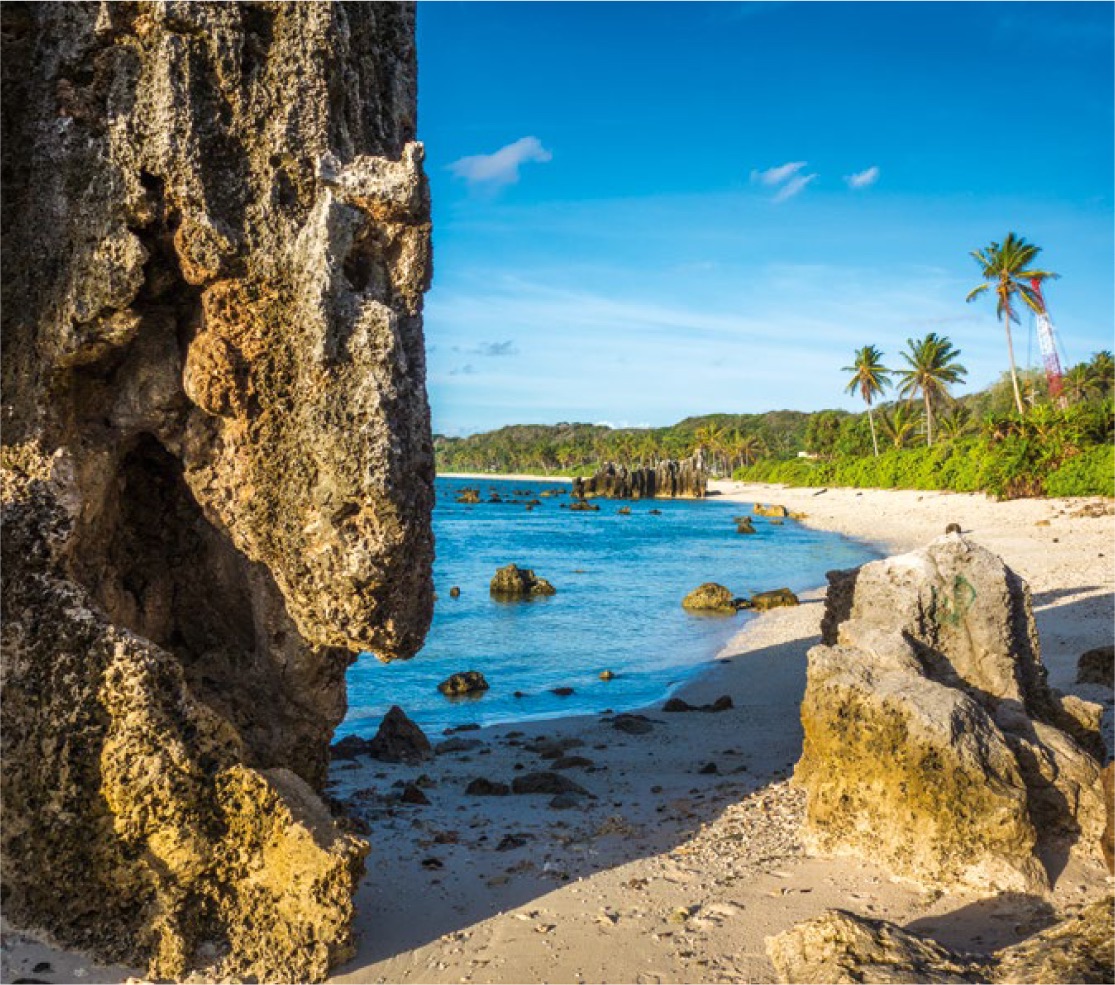
Nauru became an independent republic on 31 January 1968. The native seabirds are plentiful while lush vegetation includes pandanus, coconuts, frangipani, and Indigenous Hardwood Tomanos – Nauru’s national tree. Comprised of a raised central plateau surrounded by a fertile coastal fringe, Nauru’s plateau consists mainly of limestone pinnacles – a truly unique landscape.

Marshall Islands’ diverse marine life
Our journey across Micronesia would not be complete without a visit to the Marshall Islands, a fascinating archipelago steeped in history and surrounded by the pristine beauty of the Pacific. Along its reefs, sea turtles rest and can be seen swimming beneath the calm waters. The Islands’ history speaks of one of the bloodiest battles in all of World War II and in the hauntingly beautiful underwater landscapes, remnants of the U.S. nuclear testing program at Bikini Atoll tells yet another story of the Islands’ resilience and recovery. In the Marshall Islands, observe the building of traditional outrigger canoes and watch them as they are put to sail and where stories about the Islands’ heritage is told from one generation to the next. Admire the crystal-like waters and diverse marine life that has flourished in the absence of human interference.

The Pacific heart
Micronesia – the heart of the Pacific, beckons with each island showcasing its own natural beauty and distinct culture. From the historical significance of Guam and the captivating allure of Saipan, Rota, and Tinian to the underwater wonders of Palau, the serene landscapes of Pohnpei, the cultural richness of Yap, the wartime relics in Chuuk, unique Nauru and the historic and natural fusion in the Marshall Islands, each island unveils a new facet of this enchanting region. So embark on this odyssey, and let the magic of Micronesia capture your heart and soul.

Annette Taijeron Santos, DBA, Interim Dean, School of Business and Communication, Chaminade University of Honolulu, has over
25 years of faculty and administrator experience in higher education, and is recognised for her research in entrepreneurial innovations and her positive engagement with business, government, community and not-for-profit sectors.
S&C Hotel & Apartments

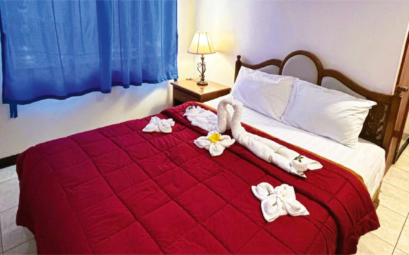
A quite retreat tucked in Koror, where comfort meets value with airport transfers – S&C Hotel is ideal for discovering Palau’s natural beauty.

S&C Hotel features a terrace, air-conditioned rooms with private baths, fridge, flat-screen TV and desk along with complimentary tea/ coffee, plus bottled water as a welcome gesture. Select rooms include a kitchen with a fridge and stovetop. All rooms are non-smoking. The hotel provides daily housekeeping, free Wi-Fi, parking, and room service for a comfortable stay.

BEAUTY, FASHION & COMMS

The property features a lounge, a beauty shop – which offers many services including hairdressing, manicures and pedicures – dress/tailor shop, self-service laundry and internet service supplied by Palau Telecom.

ON-SITE RESTAURANT & BAR

Executive Lounge Restaurant and Bar serves a symphony of international flavors in a welcoming atmosphere and warm hospitality, located on the building’s second floor. As the sun sets, the venue transforms into a vibrant bar – perfect for relaxing, enjoying music, or unleashing your inner rock star with karaoke.

EXCLUSIVE CAR RENTAL

The hotel’s exclusive car rental service provides guests with the flexibility to explore Palau on their own terms. Whether for sightseeing or special occasions, the service ensures a seamless travel experience.

Having served valued guests since 2011, S&C Hotel is known for its warm service, cozy rooms, and affordable rates. With a commitment to genuine hospitality, the hotel offers more than a stay – an experience defined by comfort, quality, and care

Nauru

A pretty raised atoll with a surrounding reef which is exposed at low tide, the Republic of Nauru is 19.3 kilometres in circumference and has a land area of 21 square kilometres. Most of the 10,000 population live on the narrow coastal belt.

A small isolated Central Pacific island, it lies some 42 kilometres south of the equator and is readily accessible by regular services on the island’s national carrier, Nauru Airlines, from major Pacific ports including Brisbane and Nadi.

The mining of phosphate has been the mainstay of the island’s economy since the 1900s, providing the locals with a steady source of income. Phosphate reserves are expected to be exhausted in the next few years.
The People

The Indigenous people of Nauru are believed to be of mixed Polynesian, Melanesian and Micronesian descent, with predominantly Micro/Polynesian characteristics. Their native language is Nauruan, though English is used for government and commercial purposes.
History

Nauru existed as an independent island society until it was annexed by Germany in 1888 and became part of the Marshall Islands protectorate. In 1900 a British company discovered phosphate on the island and negotiated with Germany for mining rights.

In November 1914 Nauru was seized by Australian troops and remained in British control until 1920.

In 1920, when the German colonies were distributed, a League of Nations Mandate was granted to Australia, New Zealand and Great Britain.

In 1947 the island was placed under United Nations Trusteeship and Australia resumed administration on behalf of the three partner governments. Nauru became an independent republic on 31 January 1968.

Nature

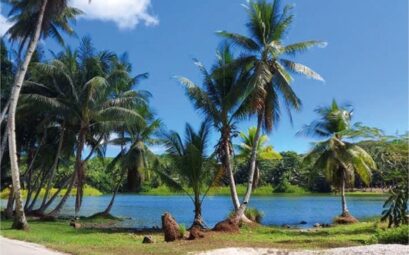
Native seabirds are plentiful. Vegetation includes pandanus, coconuts, Indigenous hardwood tomano trees, and frangipani. The climate is tropical with temperatures ranging between 24.4°C and 33.9°C, kept temperate by the sea breezes.

The Sights

Nauru is made up of a raised central plateau surrounded by a fertile coastal fringe. The plateau, known as ‘topside’ is the site of mining and is, for the most part, made up of limestone pinnacles, a truly unique landscape.

Where to Stay

There are two hotels on Nauru, the Menen Hotel and the Od-N-Aiwo Hotel, the tallest building in Nauru and run as a family business.

Getting Around

Self-drive cars are available for a daily charge, plus a charge per kilometre. Both hotels operate a courtesy airport service.

Food and Entertainment

Traditional feasts are popular. The Menen Hotel’s restaurant serves mainly western style food. The Bay Restaurant in Anibare Bay is a popular venue serving euro-Asian cuisine and popular with tourists and locals alike.

Activities

Nauruans play a number of sports, including weight-lifting and Australian rules football. Fishing, scuba diving, and snorkelling are popular. Deep-sea fishing is also available, and inquiries can be made to Capelle & Partner. Inquiries about tours of the mine area can be made at the Menen Hotel and through the Nauru Tourism office at the Civic Centre in Aiwo.

Shopping Guide

Menen Hotel Boutique has gifts and books. Other stores sell a variety of food and goods. The Nauru Philatelic Bureau offers a range of sought-after philatelic issues of Nauru.


The Royal Sonesta Kaua’i Resort Lihue

Escape to paradise at The Royal Sonesta Kaua’i Resort Lihue, surrounded by lush, verdant landscapes.

Stay mere moments from stunning stretches of golden sand and an array of thrilling outdoor adventures. Settle into the comfort of well-appointed rooms boasting views of the ocean, gardens, or pool. Enjoy lavish amenities such as four on-site restaurants, beachside spa treatments, the largest one-level pool in Hawaii, a fitness centre, and 27,000 square feet of versatile indoor and outdoor meeting and event space.

This Kauai beachfront resort is perfectly located just two miles from Lihue Airport. Enjoy a stress-free arrival and departure with the complimentary shuttle service. This convenient service is available to all resort guests around the clock.

CULINARY DELIGHTS

The resort’s main restaurant Kukui’s on Kalapaki Beach offers culinary delights that blend international and local flavours. Unwind beside the pool as you begin your day with a satisfying breakfast or conclude it with a beautifully crafted tropical drink. Or jumpstart your morning with a rich, aromatic cup of Kaua’i coffee, a steaming latte, a warm fresh-from-the-oven pastry at Aupaka Terrace or enjoy a delectable array of other breakfast treats at this airy terrace spot.

Savor Hawaiian-style dishes, steaks, and seafood at the seaside location of Duke’s Kauai which boasts breathtaking vistas. Indulge in the classic flavours of Italy at Café Portofino, where you can dine al fresco and take in the panoramic ocean views. And for those times when you’d rather stay in, convenient and delicious In-Room Dining is available.

WORK OUT AND RELAX

The resort features a modern, round-the-clock fitness centre equipped with cardio gear, weightlifting machines, free weights, exercise mats, and stability balls.

Or pamper yourself with beachside treatments at the Alexander Day Spa & Salon. The resort’s spa offers a range of services designed for complete relaxation, including beach massages, spa massages, facials, body treatments, and more.

SPECIAL ACTIVITIES & EVENTS

At The Royal Sonesta Kaua’i Resort Lihue, there is no shortage of special activities to enjoy. A full calendar of complimentary cultural events, wellness classes, and hula performances happen throughout the week.

Perfectly situated on the breathtaking Kalapaki Beach, The Royal Sonesta Kaua’i Resort Lihue brings together stunning spaces and unparalleled culinary experiences, creating the ideal setting for that dream wedding, amidst the gorgeous scenery of this beachfront oasis.

With dedicated staff handling every detail of your special day, experience a wedding that will be remembered for a lifetime.

Coral Coast & Pacific Harbour

The Coral Coast is 80 kilometres of fringing reefs and beaches on the sheltered southern side of Viti Levu about halfway between Nadi and Suva. The region is named for its stretch of fringing coral reef that hugs this coastline making it an excellent place to snorkel off the beach.

The temperate climate and great variety of accommodation – from self-contained ‘bure’ cottages to international five-star resorts – make it a popular tourist retreat. The resorts offer great recreational facilities, restaurants, and cultural performances while the pristine waters and reefs create an underwater paradise for snorkelling and diving. You can throw in a line with the locals or take out a charter vessel for game fishing.

There are great places to surf at Fiji Beachouse, Hideaway Resort and Natadola beach – the latter of which is arguably the best beach on the island and a great place to learn to surf. Also at Natadola is the Natadola Bay Championship Golf Course.

For those wanting to take in some nature, history and culture, visit the Sigatoka Sand Dunes national park where shifting sands and archaeological digs continue to reveal skeletons and pottery artefacts. Fiji’s only wildlife park, the Kula Wild Adventure Park in Korotogo displays rarely seen indigenous species such as the banded iguana and Fiji peregrine falcon.

A must do activity is to explore the Coast’s abandoned sugarcane railways on Ecotrax’s electric railbikes or velocipedes.

Head for the hills into the beautiful Sigatoka Valley, aptly named The Salad Bowl of Fiji, a colourful patchwork of agricultural fields, Fijian villages, Indian settlements, temples and volcanic hills. It offers spectacular scenery. At Tavuni Hill Fort near Sigatoka Town you can walk amongst the ruins of an ancient hill fort built during a period of tribal warfare.

Sigatoka River Safari’s cave tour takes you inland to Naihehe Caves to see the spectacular rock formations and remnants of where people took shelter in the past. Offroad Expeditions Fiji let you explore the lush interior and rivers of Serua on their ATV tours. There is also a waterfall tour at Biausevu Village where you can learn about plant medicines on a rainforest trek, participate in a welcoming kava ceremony with a village chief and swim in a beautiful tropical waterfall.

Robinson Crusoe Island near Natadola is fringed with white sandy beaches and offers great snorkelling and Pacific Island entertainment.

In the bustling town of Sigatoka, locals and tourists blend when eating, shopping and socialising. Farmers barter their wares in the central marketplace and there are duty free shops, supermarkets, tailors, bars and cafes. There are quaint roadside markets right along the Coral Coast stretch, so even those just driving through will be able to enjoy this lovely area.

PACIFIC HARBOUR & BEQA LAGOON

This region, around 30 kilometres west of Suva, is distinct from the Coral Coast and renowned for its adventure type activities. Thus renowned as the Adventure Capital, this region is famous for activities such as the world-class shark dive at Shark Reef, great scuba diving in the Beqa lagoon, zip-lining, off-road buggy rides, white-water rafting in the Upper Navua Gorge, river tubing and world-class surf at the Frigates offshore surf break.

To learn more about Fijian culture and see Fiji’s famed firewalkers, stop by the Damodar Arts Village. Just down the road, Tropic Magic run daytrips to Beqa island for a fun day out snorkelling over a spectacular reef.

Pacific Harbour was originally established in the 1970s as a recreation oriented, residential community as well as a resort area. Not too far from Pacific Harbour is the legendary Beqa Island, home of the Fijian firewalkers who perform their ceremonies at several major Fijian hotels and resorts.

Muri Beach Resort

Muri Beach Club Hotel is a boutique, adults-only hotel superbly positioned on the prime part of Muri Beach.

With all the trimmings of larger hotels, it boasts one of Rarotonga’s largest pools, a Day Spa offering treatments to truly unwind and relax you and, with only 30 rooms, you can be certain of personalised treatment and superb service. Each room offers air-conditioning, coffee pod machine, room safe, IDD telephone, refrigerator, 43-inch smart TV and free, high-speed fibre internet.

The hotel promises to show you the true beauty of Rarotonga in a chic, sophisticated environment, and the amenities and facilities enhance this experience. The fine dining restaurant specialises in fantastic South Pacific fare and is open for breakfast, lunch and dinner. Enjoy panoramic views of the offshore islands in the Lagoon Lounge whilst sipping on a sensational cocktail.

Between the Lagoon lounge, the large central swimming pool, and the spa and beauty salon, visitors will be hard pressed not to feel completely relaxed while the wide range of amenities cater to guests’ every desire.

PERFECTLY SITUATED

From paddling kayaks and stand-up paddle boards inside the reef protected lagoon to booking activities and tours with our 24-hour reception, this boutique property is perfectly situated and within walking distance to shops, cafes, restaurants, the cultural centre and much more.

This is also an amazing place to celebrate your special day. A wedding in this tropical paradise can be organised for you by a wedding co-ordinator with a choice of packages offering a complete island wedding experience.

Nautilus Resort

Escape to paradise at Nautilus Resort, where the pace of life slows down, and the beauty of Rarotonga unfolds around you.

Nautilus Resort’s 17 premium villas, seamlessly blending traditional Polynesian and modern design, offer an enchanting retreat. Each villa captures the essence of island living with a private salt-water plunge pool, expansive outdoor deck, and a lavish bathroom opening to a secluded open-air shower amidst tropical gardens.

Experience luxury
Inside, experience the luxury of a Californian king bed adorned with crisp linens, complemented by the sea breeze and floral scents. Your villa boasts a mini kitchenette, espresso machine, entertainment system, and internet access for those who wish to stay connected.
Indulge your senses at the Polynesian beachfront restaurant and chic beach bar, showcasing the best of local cuisine in a fine dining or al fresco setting. The resort also features a spa haven, Spa Nautilus, offering a range of rejuvenating treatments, from hot stone therapy to holistic massages.

The resort’s amenities extend beyond accommodation and spa, including opulent waterfront dining, an exclusive function facility, water sports, and cultural activities.

Whether you’re a couple seeking romance or a family in search of adventure, Nautilus Resort promises a quintessential Rarotonga vacation in exclusive style. Immerse yourself in the allure of this tropical haven and discover one of the world’s most desired destinations.

Ocean Escape Resort & Spa

Introducing Rarotonga’s newest oceanfront, boutique eco-resort featuring 12 modern apartment-style villas, offering a luxurious adults-only (16+) escape.

Each villa has a loft style, king-size bedroom on the upper level, with ocean views plus a private outdoor daybed with pool views. The spacious bathroom, open plan living, dining and kitchen are on the lower level.

Luxury hideaway
The coastal decor is complemented by all the modern conveniences, including a full galley kitchen, microwave, cooktop, dishwasher, full size fridge, A/C, ceiling fans, 50-inch smart TV, Bluetooth speaker, in-room safe, hair dryer and heated towel rails.

This luxury barefoot hideaway is on the eastern sunrise coast with endless ocean views, wonderful for whale watching and great for couples to enjoy secluded walks along the private beach.

The resort was developed focussing on minimal environmental impact. Featuring a 100% chemical free, ocean saltwater swimming pool, it also offers Eco-Pure safe drinking water throughout.

Chill out
Complete with on-site Essential Spa, specialising in locally made organic products, another chill out zone is BJ’s Tapas Bar, with amazing 180° ocean views, where you can also enjoy top shelf cocktails, mediterranean and island fusion tapas.

Casual on the outside, modern on the inside and sprinkled with luxurious touches throughout, Ocean Escape Resort & Spa is your perfect island escape.

American Samoa

American Samoa is located in the Pacific Ocean, halfway between Hawaii and New Zealand, with the geographic coordinates of 14° 16° S, 170° 42° W; a five hour direct flight from Honolulu, Hawaii and only 35 minutes by air from Apia, Samoa.

American Samoa is the only U.S. territory south of the equator and is composed of seven land masses: five volcanic islands and two coral atolls. From west to east, American Samoa’s islands are Tutuila, Aunu`u, Ofu, Olosega, and Ta`u.

Capital and Major Centres
The capital Pago Pago, pronounced ‘pango pango’, sits on a beautiful harbour that can be seen from mount Alava.

The people & Culture
Samoans have lived here for more than 3000 years and are of Polynesian extraction. Their culture is traditional with emphasis on the extended family. Most speak Samoan and English.

American Samoa’s islands make up the eastern part of the Samoan Archipelago, whose people are Polynesian. Archaeologists state early Polynesians travelled from South East Asia into the Pacific, populating the islands of the western Pacific from Papua New Guinea to Tonga and Samoa. It was from Tonga and Samoa, sometime later, that they migrated east and populated the Cook Islands, Niue, Tahiti and Rapanui (Easter Island) before heading north to Hawaii and south to Aotearoa (New Zealand) on the last legs of the great Polynesian migration.

Today Samoans are regarded as the largest full blooded Polynesian race left in the world. Fa’a Samoa or the Samoan way is the foundation of Samoan society, culture and heritage. Aiga or extended family is the core of the Fa’a Samoa, where at the head of the family are matai or chiefs and each family member has their role to play
in their tautua, or service to the extended family. Samoan customs and culture are over 3000 years old and have changed very little over this period. The most major western influence accepted into Samoan custom has been Christianity which forms the spiritual basis of its society.

History
Human history in American Samoa dates back about 3,000 years, making the Samoan culture the oldest in Polynesia. Archaeological evidence dating to that time has been found at eastern Tutuila Island and on Ofu Island. With the exception of Ta`u, the Samoan islands were under Tongan conquest from 1200 to 1400 CE.

The first European contact came in 1722 and 1768 when Dutch explorer Jacob Roggeveen and French explorer Louis-Antoine de Bougainville traded with islanders in the Manu`a island group. Subsequent outside visitors included other European explorers, Christian missionaries, and whaling ships. From the 1850s on, a steadily increasing number of European and American traders operated on Tutuila, while Manu`a remained relatively isolated.

By the 1880s, Britain and Germany had laid claim to the islands. In March 1889, German, English, and American warships stood ready to go to war over possession of the islands, but the impending battle never took place because of a hurricane. In 1899 (though not effective until February 16, 1900), Germany, England, and the United States (note the absence of Samoan representation) signed a tripartite agreement that granted control of Upolu and Savai`i to Germany and control of Tutuila, Aunu`u, and Manu`a to the United States. That year, the U.S. Department of the Navy assumed administration of ‘Tutuila Station’. The matais, or chiefs, of Tutuila and Aunu`u ceded these islands to the US on April 17, 1900. The king and matai of Manu`a did not sign a deed of cession for Ta`u, Ofu, Olosega, and Rose Atoll to the US until 1904. Several years later, the Navy began to refer to the region as ‘American Samoa’.

Although American Samoa remained largely insulated from World War I, during World War II, the American Samoa Defense Group (headquartered at Naval Station Tutuila) was the largest defence group in the Pacific and experienced Japanese scout overflights and submarine fire. In 1951, per Executive Order 10264, administration of American Samoa transferred from the Department of the Navy to the Department of the Interior. The Secretary of the Interior enabled American Samoans to draft a constitution, under which the government of American Samoa now functions.

Nature
The Territory of American Samoa has a total land area of 76 square miles made up of five volcanic islands (Tutuila, Aunu’u, Ofu, Olosega and Ta’u) and two atolls (Rose and Swains). Including the marine waters and 200-mile exclusive economic zone, the Territory’s total area is 117,500 square miles, about the size of the State of Oregon or New Zealand. With steep volcanic mountains, the tallest peak Mount Lata 3170 feet is on Ta’u Island and Mount Matafao at 2142 feet is the tallest on Tutuila Island.

American Samoa is a tropical paradise and the climate averages 82°-83° Fahrenheit all year round and the ocean waters that surround our islands average 82°-86° Fahrenheit. With 90% of its islands covered in untouched tropical rainforest, the flora and fauna is unique. The National Park of American Samoa is the only US Park in the Pacific, offering challenging and dramatic hiking trails to historical sites, secluded beaches and villages. Fagatele Bay National Marine Sanctuary is one of only 13 conservation areas throughout the United States. From hiking the tropical rainforests, to swimming, snorkelling, diving or fishing the surrounding ocean waters, American Samoa is an eco-tourism haven for visitors wanting an undiscovered holiday paradise.

Large fruit bats can be seen around the island while huge seabirds nest on the sheer cliffs and ridges. Some 34 species of birds have been identified, 16 of which are unique to Samoa. A thriving coral community, tropical fish and marine turtles live in the clear warm waters around the islands, where visibility is greater than 30 metres. Humpback Whales are known to winter here from August to November while porpoises and sperm whales visit regularly.

The Sights
Mt Alava and Afono Pass provide stunning views of the harbour which is the steep sided crater of an ancient volcano; the seaward side has collapsed, allowing the sea to enter and form the mouth of the harbour. Visit Tutuila’s National Park to enjoy world-class diving areas as well as tropical rainforests, and historic sites. National historic building, the Jean P. Haydon Museum of American Samoa (named after the wife of 1969 – 1971 Governor John Morse Haydon), formerly the United States Navy Commissary during WWII, was officially dedicated by famous anthropologist Margaret Mead, author of the controversial book, Coming of Age in Samoa.

Where to Stay
American Samoa is an eco-tourism paradise, with a great selection of retail stores and very warm, friendly people. As a holiday destination it offers affordable accommodation and services; from a beach front Samoan fale to boutique lodges, apartments or a hotel suite, all accommodation properties are 100 percent locally owned and operated.

Getting Around
Taxis and rental cars are available. A fleet of ‘aiga’ local family buses, run unscheduled services from one end of the island to the other. Bus stops are found throughout the main island of Tutuila, but you can stop and catch a bus from anywhere on the side of the road simply by waving it down. All buses have village names on them and travel (unscheduled services) from their respective villages to the bus depot at Fagatogo (next to the Marketplace) in town then return. The buses operate throughout the day with services ending around 5pm, Monday to Friday. On Saturday, services are heavily reduced and on Sundays only a handful of buses operate. For no more than $2.50 one way you can travel from the town to either the western or eastern end of Tutuila. Driving is on the right-hand side.

Food and Entertainment
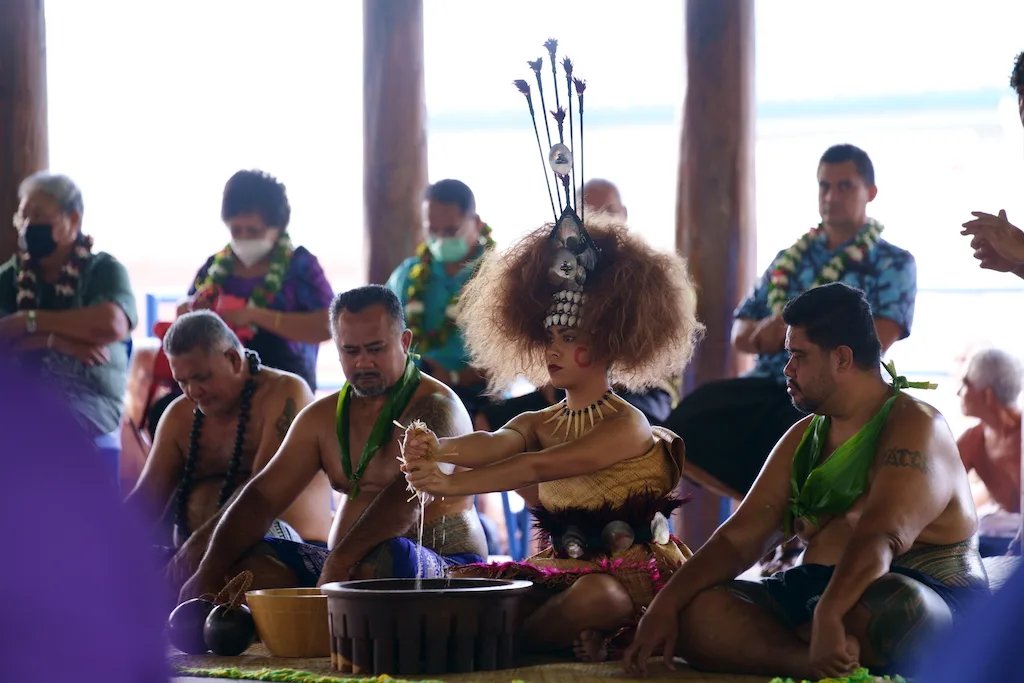
Live bands and traditional dancing are offered in some hotels depending on the occasion. You can also attend a Samoan party and feast on delicious suckling pig, chicken and fish, or visit villages and share a ceremonial drink of kava, and enjoy a Fiafia (traditional barbecue). Tisa’s barefoot bare offers this experience for tourists.

Activities
Recreational options include sailing, snorkelling, surfing, scuba diving and nature walks. Try deep-sea fishing from a charter boat and watch a whole village harvest fish from the sea using long nets.

Shopping Guide
Visit the market in Fagatogo village for handicrafts and hand printed items. Other stores that carry Samoan souvenirs and clothing include J-LEN T’s in Nu’uuli village, Turtle & Shark Gift shop in Fagaima, Tiola’s at Fagatogo square and many other local shops.

Clothing
Bikinis and brief clothing are acceptable by the beach and pool but may offend in their villages. American Samoa is predominantly Christian and dresses conservatively.

Electricity
110 volts AC/ 50 cycles.

Time Zone
American Samoa time is 11 hours behind Greenwich Mean Time (GMT -11)

Visas and Health
Visas are not required for stays of less than 30 days if you have an onward ticket. No vaccination certificates required. An OK Board may be required depending on the passport you carry.

Immigration
American Samoa has its own Immigration Laws for all foreign visitors entering the Territory. US Passport holders can travel freely to and from the Territory.

American Samoa Entry Permit Waiver Program
To qualify for the entry under the EPWP, a foreign traveller must provide: A Non-Expired Machine Readable Passport valid for at least 6 months after planned departure from American Samoa; Confirmed roundtrip ticket to point of origin or onward passage; Payment of USD$40 processing fee: and apply and pay online at www.legalaffairs. as.gov for an “OK to Board” before travelling.

Travellers entering American Samoa to board fishing vessels or other commercial vessels are NOT eligible for the EPWP. Travellers and crew arriving on cruise ships visiting for one day (less than 24 hours)
do not need an entry permit as a TRANSIT PERMIT is automatically issued. For any EPWP questions contact the Office of the Attorney General, Phone: +1 (684) 633-4163 or +1 (684) 633-4164 or
Email: okboard@la.as.gov

How to get here
Three airlines fly to American Samoa from Hawaii, USA and Samoa. Hawaiian Airlines operates bi-weekly flights from Honolulu to Pago Pago, while both Samoa Airways and Talofa Airways operate daily services from Apia, Samoa.

Banks
American Samoa has one bank on island – Territorial Bank of American Samoa.

Currency
The United States Dollar is the currency of American Samoa. Major foreign currencies can be exchanged at local bank branches or Western Union Foreign Money Exchange.

Commercial hours
Government Offices and retail stores are open Monday to Friday from 8am to 4pm. Stores open on Saturdays from 8am to 2pm and the majority of retailers are closed on Sundays.

Seasons
American Samoa has a tropical climate all year round with two distinct seasons, the wet and dry season. The wet season is usually between December and March and the dry season from April through to September with the average daily temperature around 82°- 83° Fahrenheit all year round.

Language
Samoa and English are spoken by over 95 percent of the population, with English being the main business language.

Communications
The country dialling code to call American Samoa is (+1 684). To make an overseas call from American Samoa dial (1), area code, then the phone number if calling the US and (011), area code and the phone number if calling any other country.

The American Samoa Telecommunications Authority and Bluesky Communications sell overseas calling cards offering cheap international calling rates.


Accomodation

Tutuila Islands

Evalani’s Motu O Fiafiaga Motel – Pago Pago
Phone: (+1 684) 633-7777
Email: evalani_1@yahoo.com
Contact: Evelani Pearson

Le Falepule – Fogagogo
Phone: (+1 684) 699-8932
Email: isabel@samoatelco.com
Contact: Isabel Steffany Hudson

Maliu Mai Resort Fogagogo
Phone: (+1 684) 699-7232
Email: maliumai@bluesky.as
Contact: Mapu Jamias

Moana O Sina – Fogagogo
Phone: (+1 684) 699-8517
Email: isabel@samoatelco.com
Contact: Isabel Steffany Hudson

Pago Airport Inn – Petesa
Phone: (+1 684) 699-6333,
Email: pagoairportinn@samoatelco.com
Contact: Poe Mageo

Sadie’s by the Sea – Utulei
Phone: (+1 684) 633-5900
Email: info@sadieshotels.com
Contact: Tom Drabble

Sadie Thompson Inn – Fagatogo
Phone: (+1 684) 633-5981
Email: info@sadieshotels.com
Contact: Tom Drabble

Ta’alolo Lodge & Golf Resort – Ili’ili
Phone: (+1 684) 699-7201
Email: taalolo@hotmail.com
Contact: Ta’alolo Lutu- Drabble

Tessarea’s Motel- Vaitogi
Phone: (+1 684) 699-7793
Email: tessarea99@yahoo.com
Contact: Fia Mauga

Tisa’s Barefoot Bar – Alega
Phone: (+1 684) 622-7447
Email: tisa@tisasbarefootbar.com
Contact: Tisa Fa’amuli

Tradewinds Hotel – Ottoville
Phone: (+1 684) 699-1000
Email: gm@tradewinds.as

Turtle & Shark Lodge – Vaitogi
Phone: (+1 684) 688-1212,
Email: reservations@turtleandshark.com
Contact: Roy JD Hall III

Manu’a Islands

Asaga Inn – Ofu
Phone: (+1 684) 655-1306

Mauga’s Home Stay – Ta’u
Phone: (+1 684) 677-3414
Contact: Mauga Nofoaiga

Vaoto Lodge – Ofu
Phone: (+1 684) 655-1120
Email: dmalae@hotmail.com
Contact: Deborah Malae

The infamous Faichuk Islands

I’d heard that the roughest and toughest Chuukese come from the Faichuuk Islands but I never really understood why.

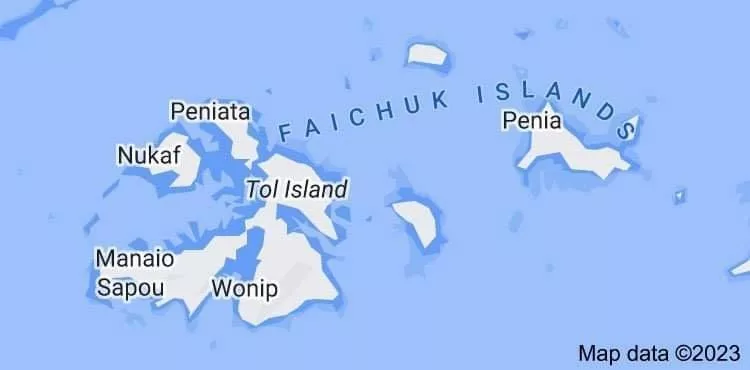
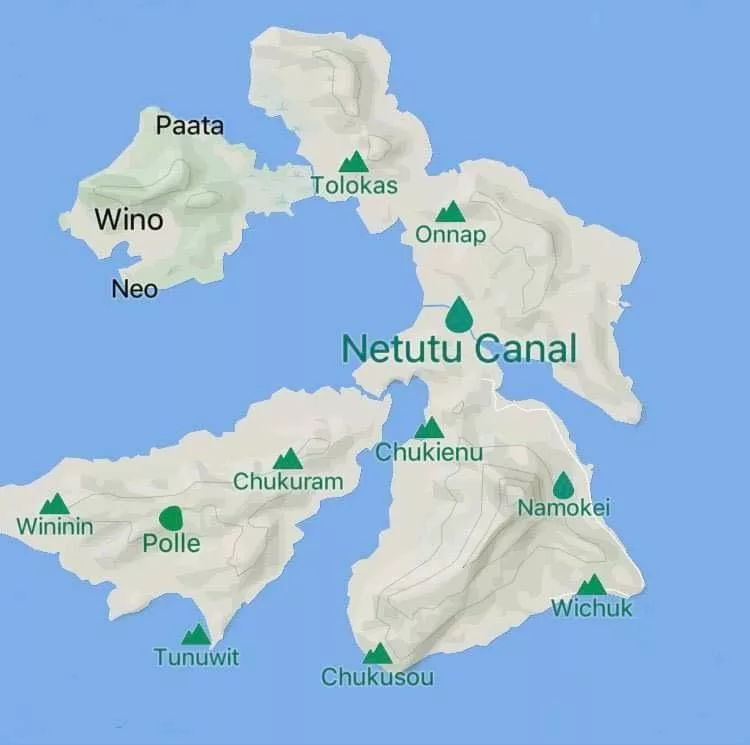
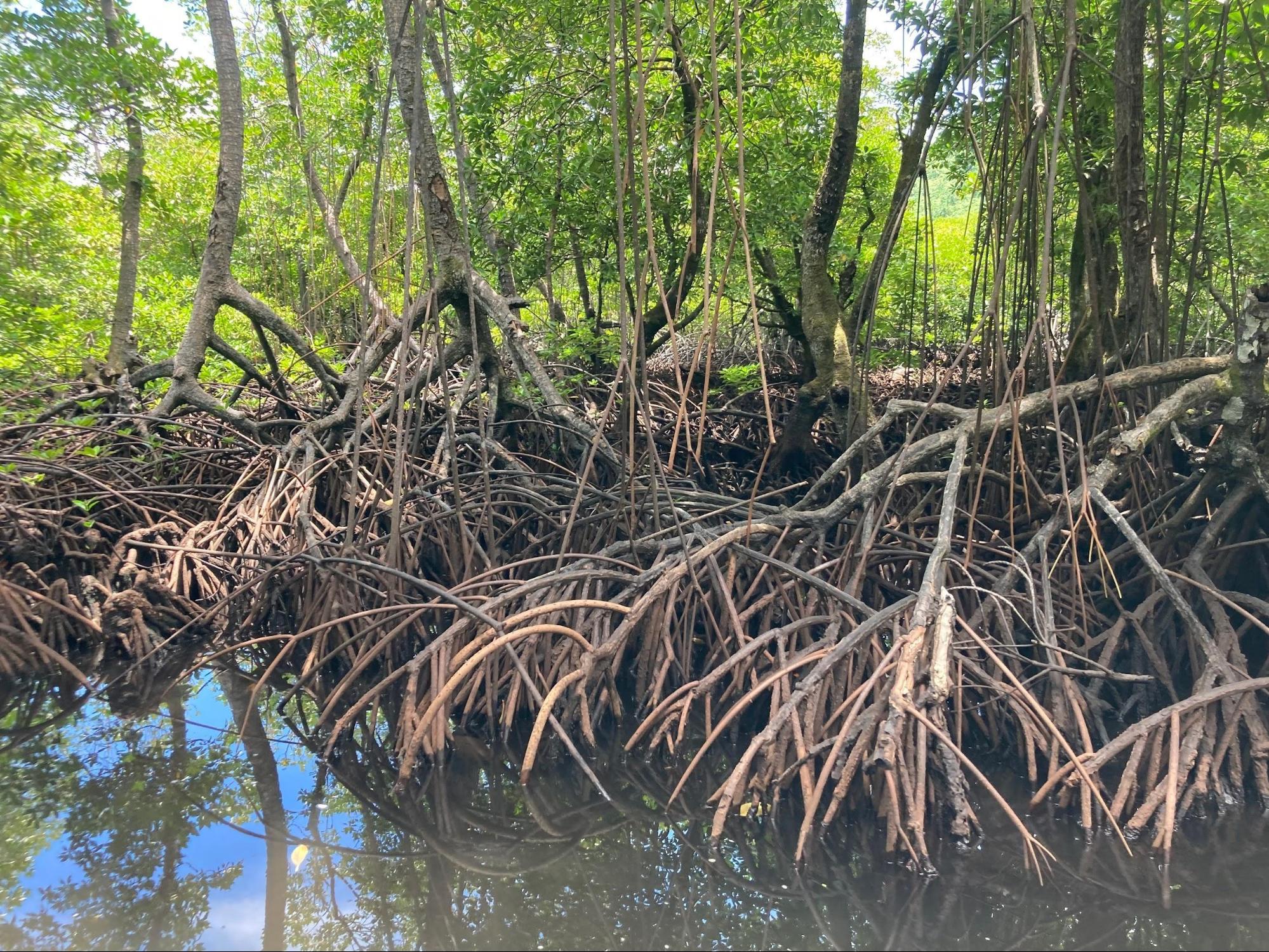
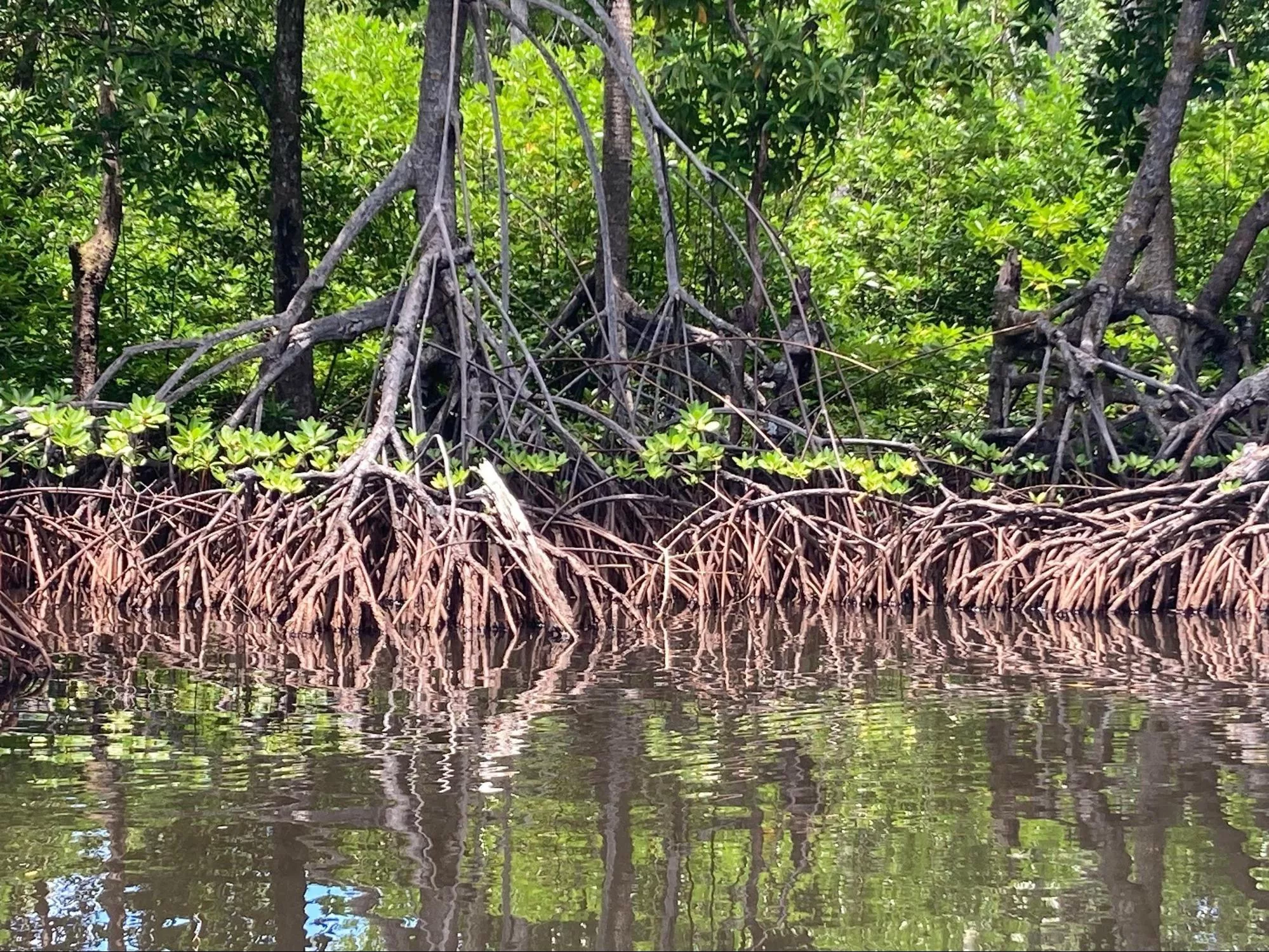
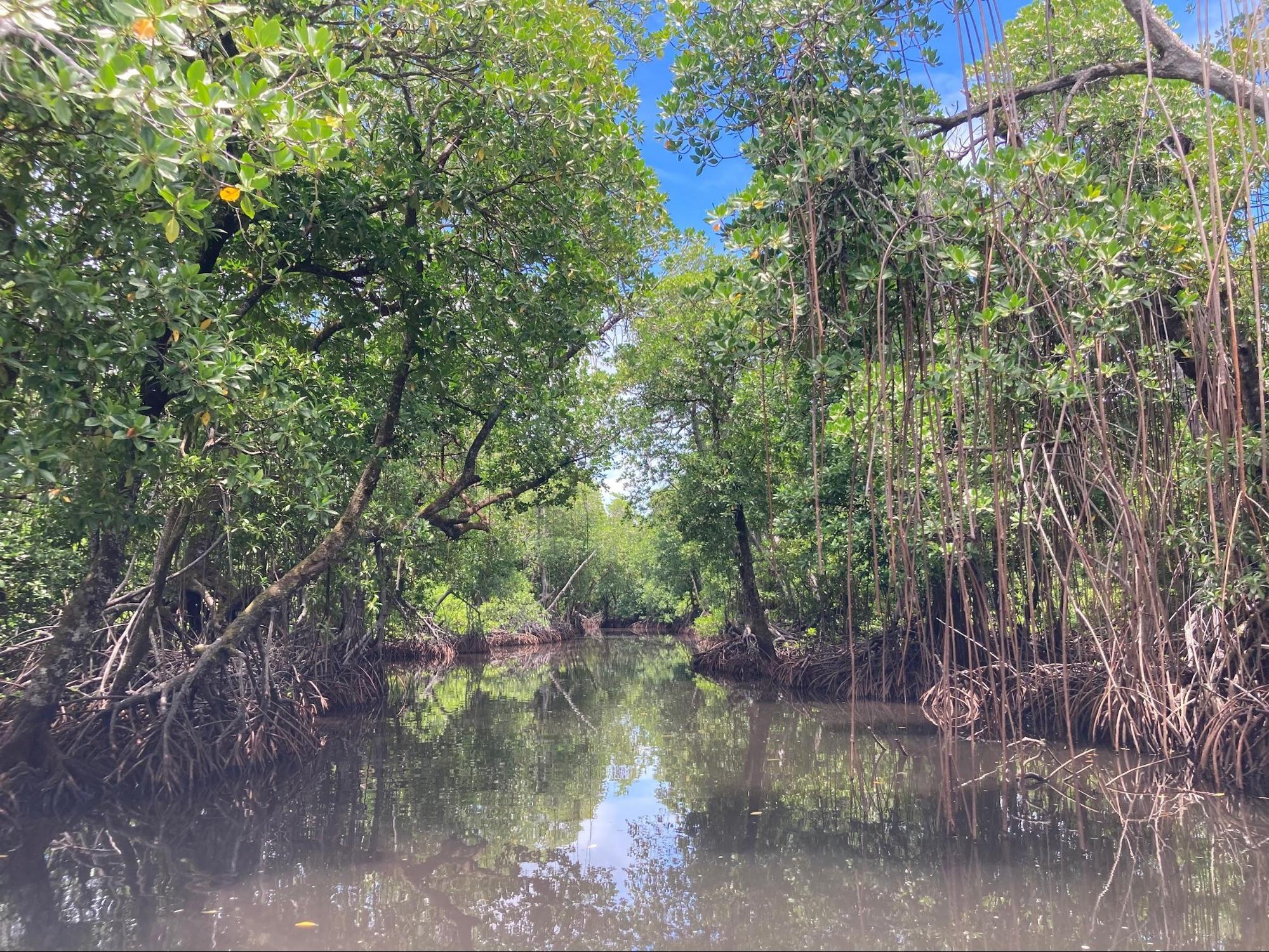
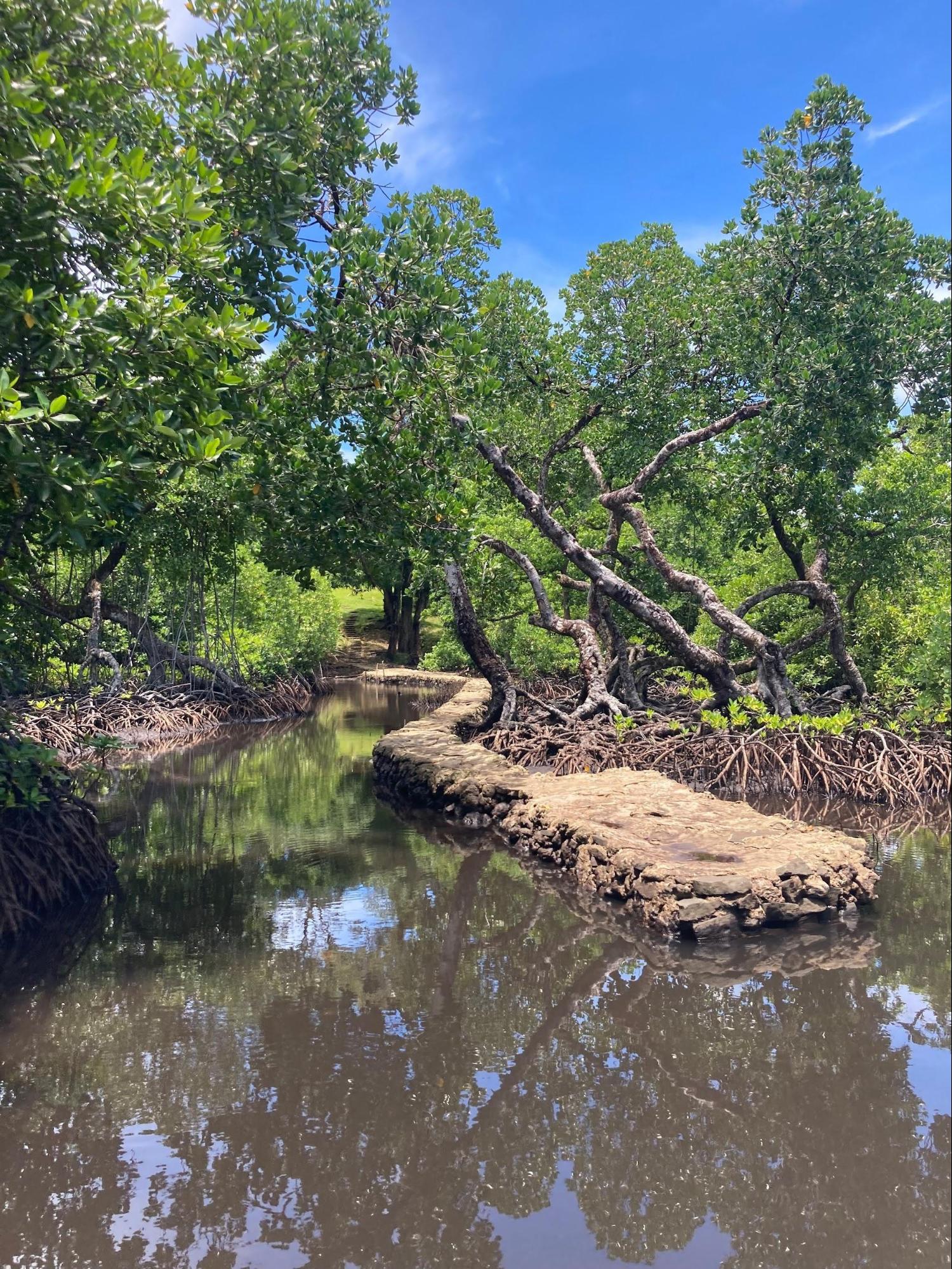
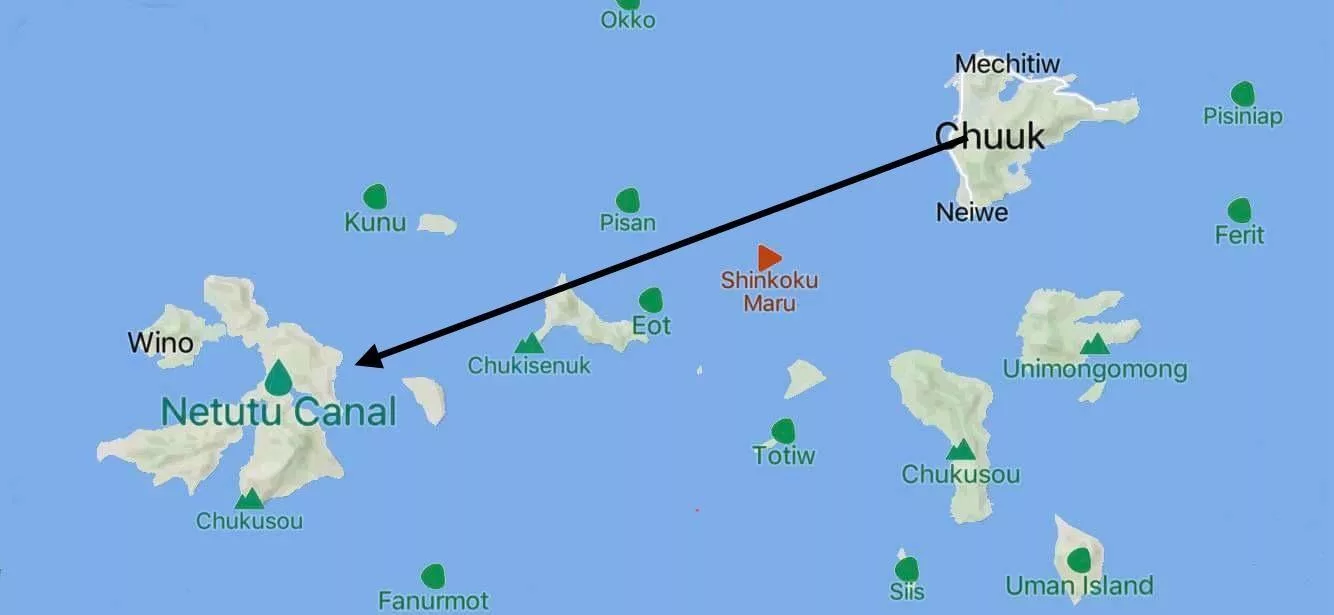
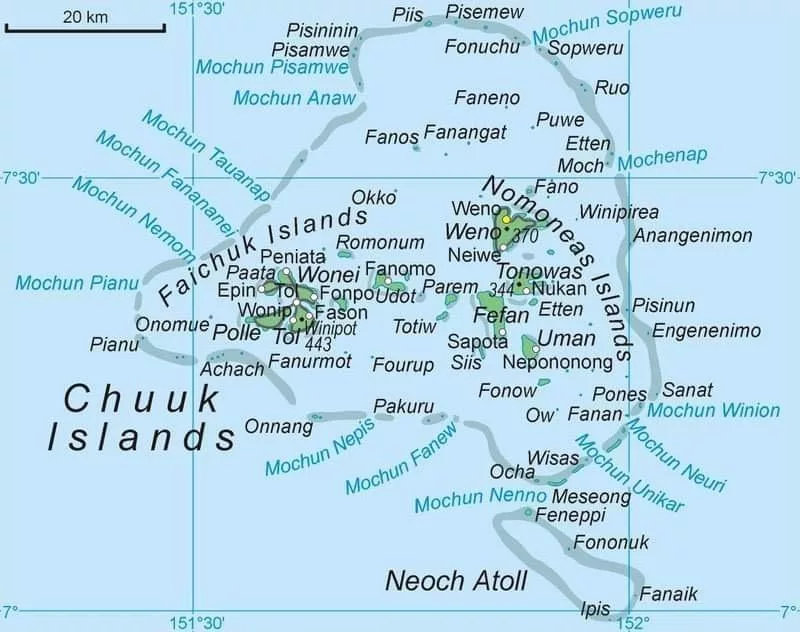
Recently I had the opportunity to visit a very interesting place in Chuuk called the Netutu Canal in the Faichuk Islands – a group of four islands in the western part of Truk Lagoon, and a potential visitor destination in Chuuk.

According to local history through stories that were shared amongst families, the canal was built by locals under extreme conditions of forced labor during the Japanese occupation around the 1930s.

These people endured very difficult times but learned how to survive. They had to be strong and resilient.

They had to have the will power to push and get through. They had to have the wherewithal.

And they did…

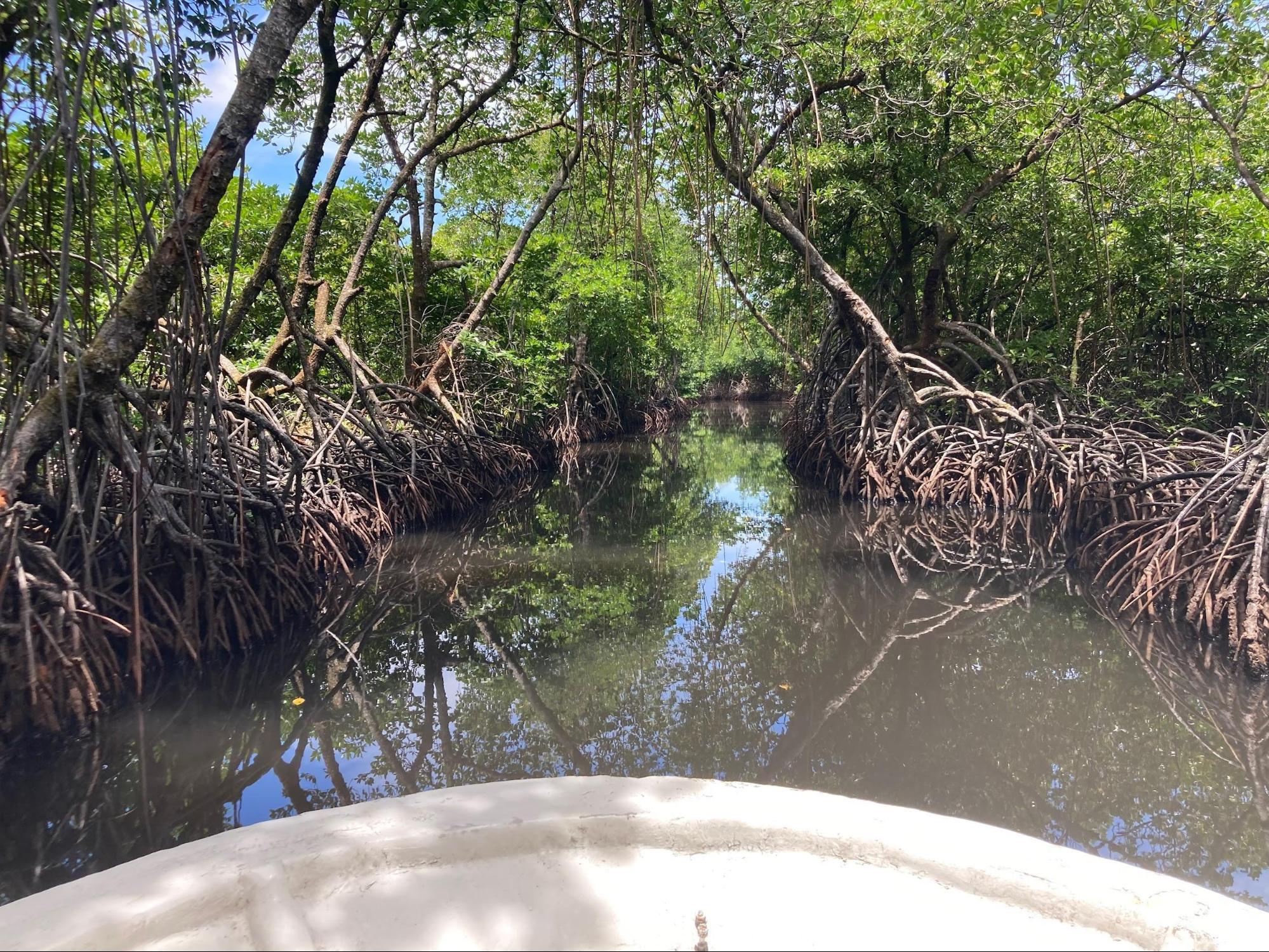
The Japanese wanted to use the canal as a pathway through thick mangrove swamps to get to the nearby islands of Paata (Pata), Polle, Wonei (Onei) and Tol without having to circumnavigate the ocean.

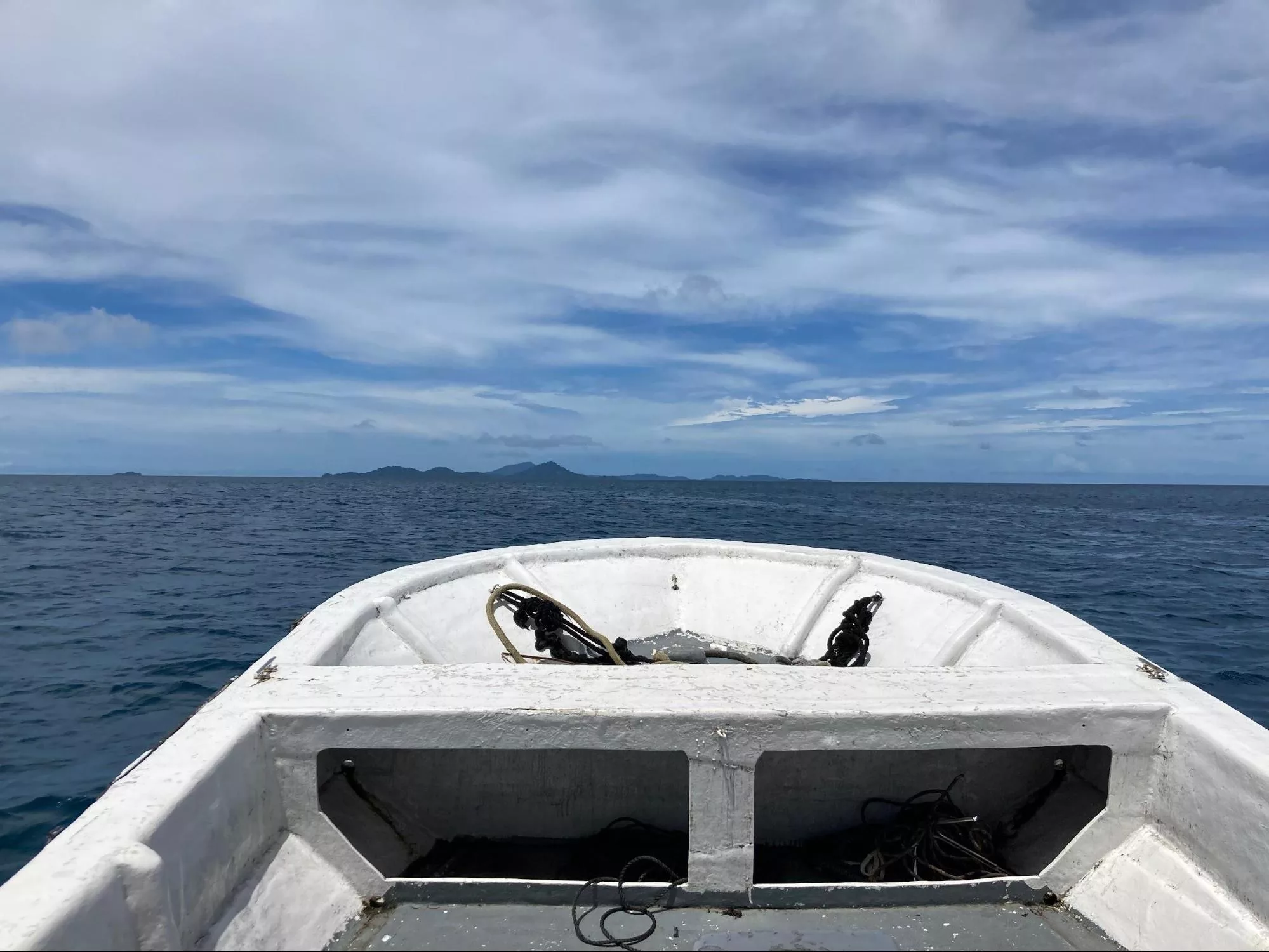
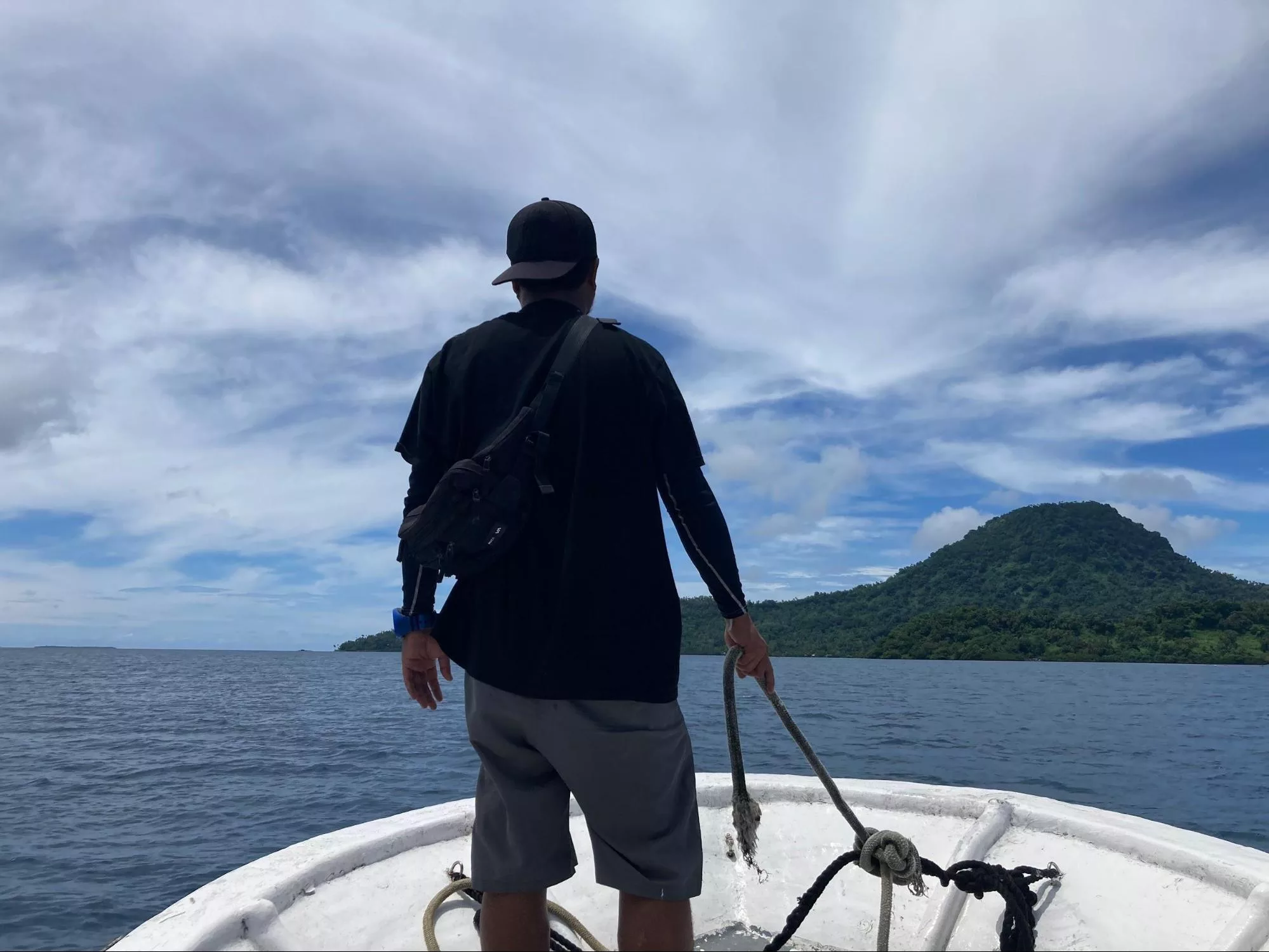
To get to the Netutu Canal, I travelled west on a small boat for about 40 minutes from Weno – the Capital of Chuuk State of the Federated States of Micronesia (FSM).

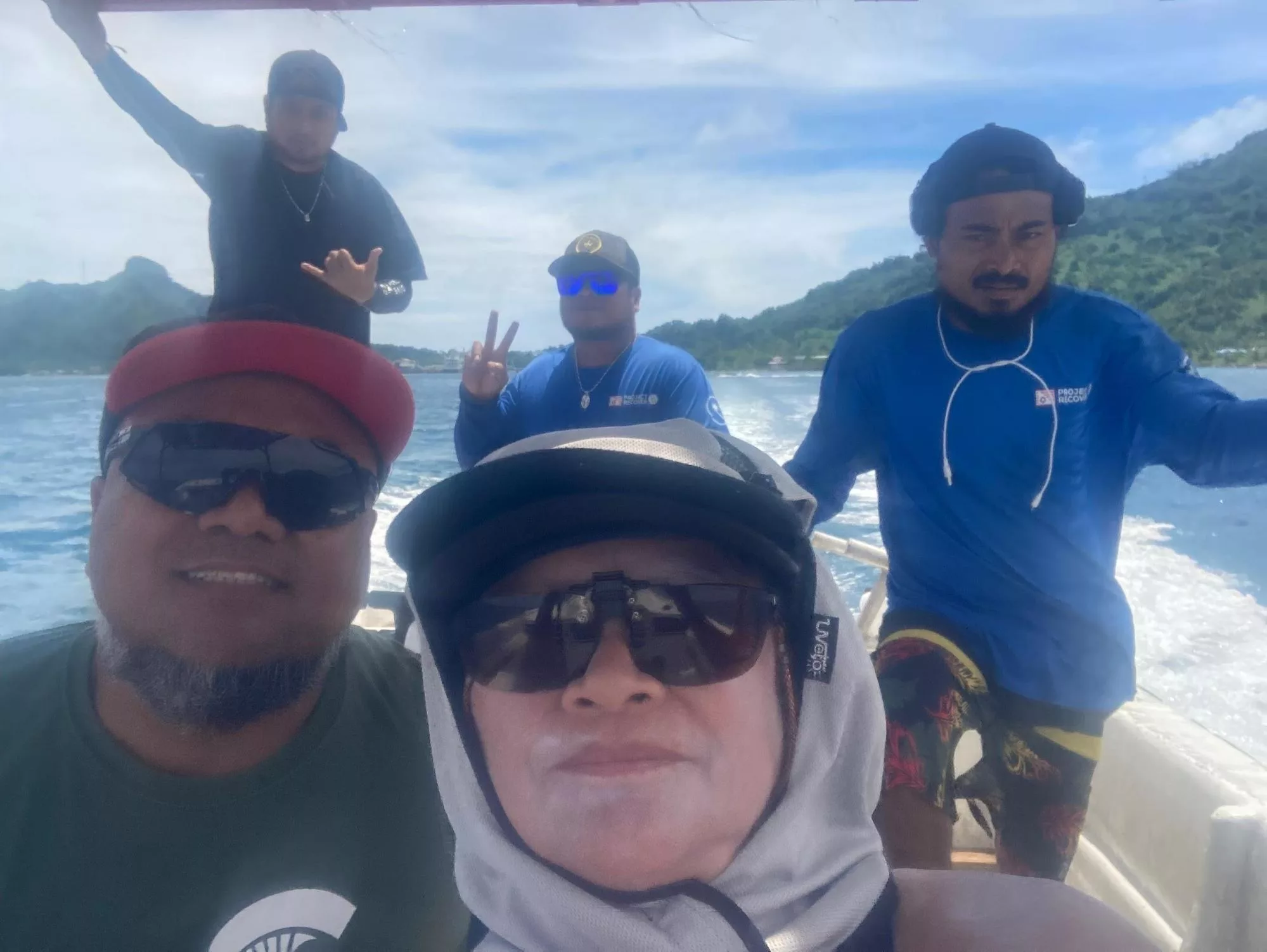
It was a beautiful day, the ocean was calm and I had a great captain and crew.

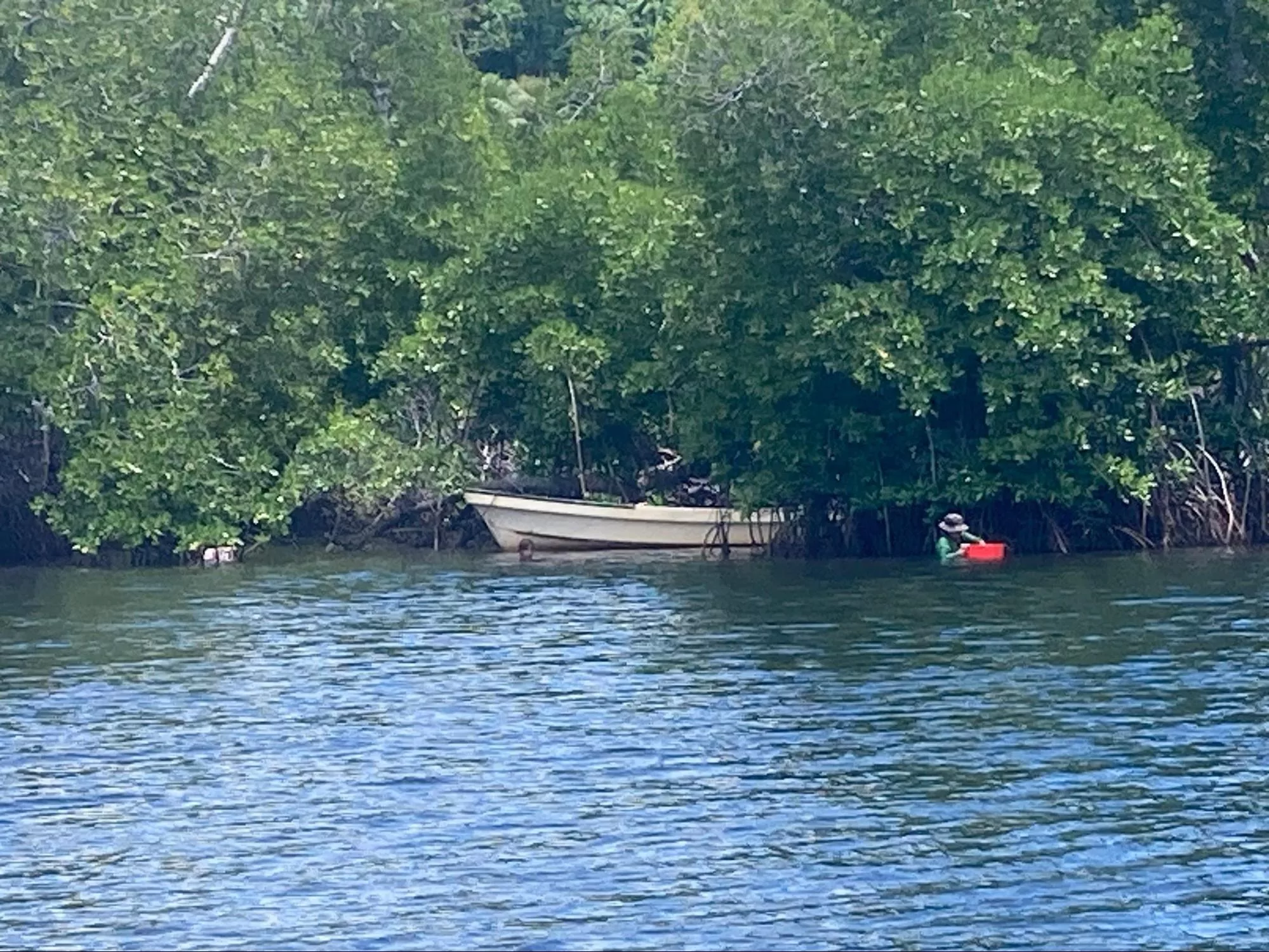
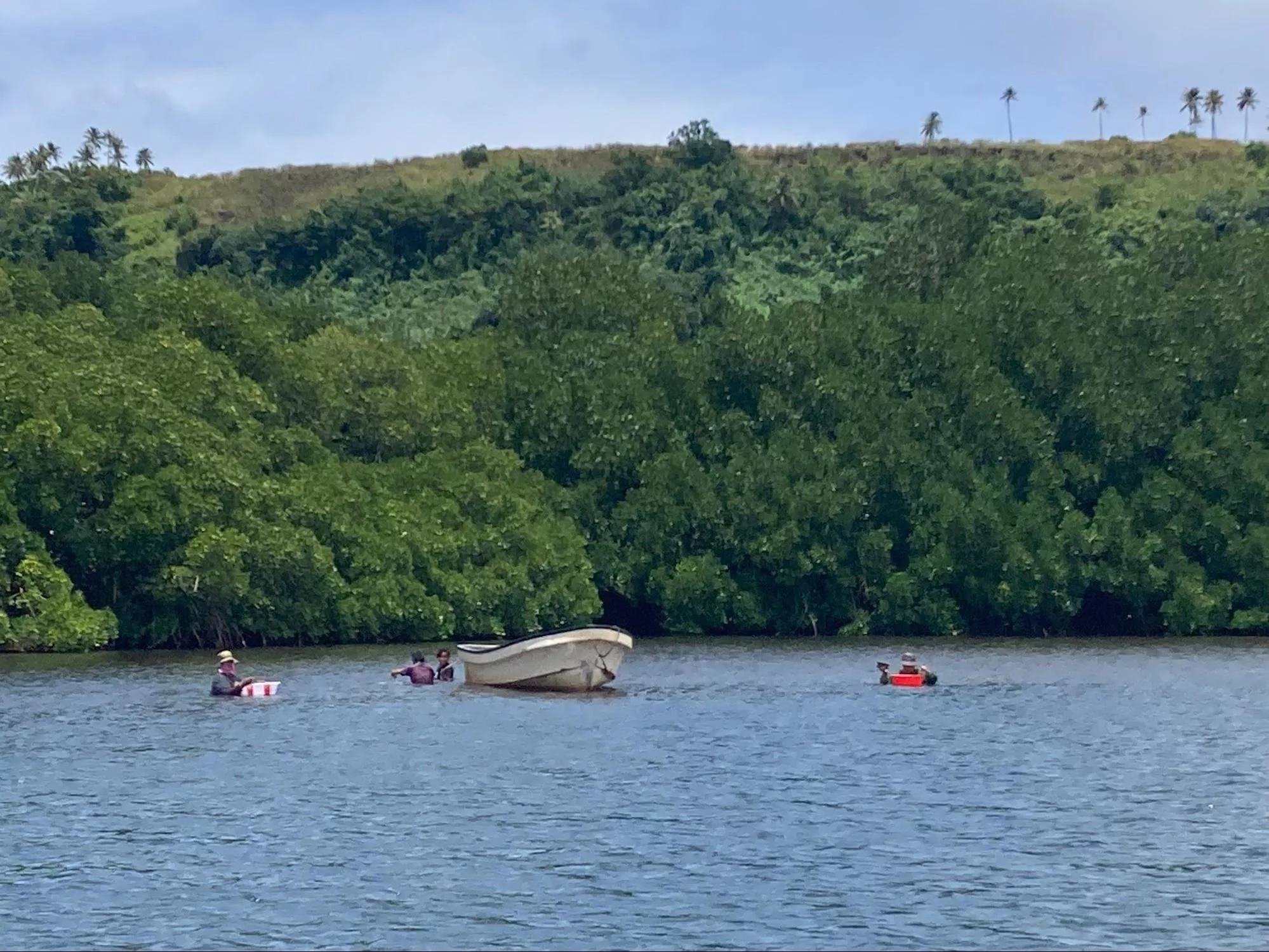
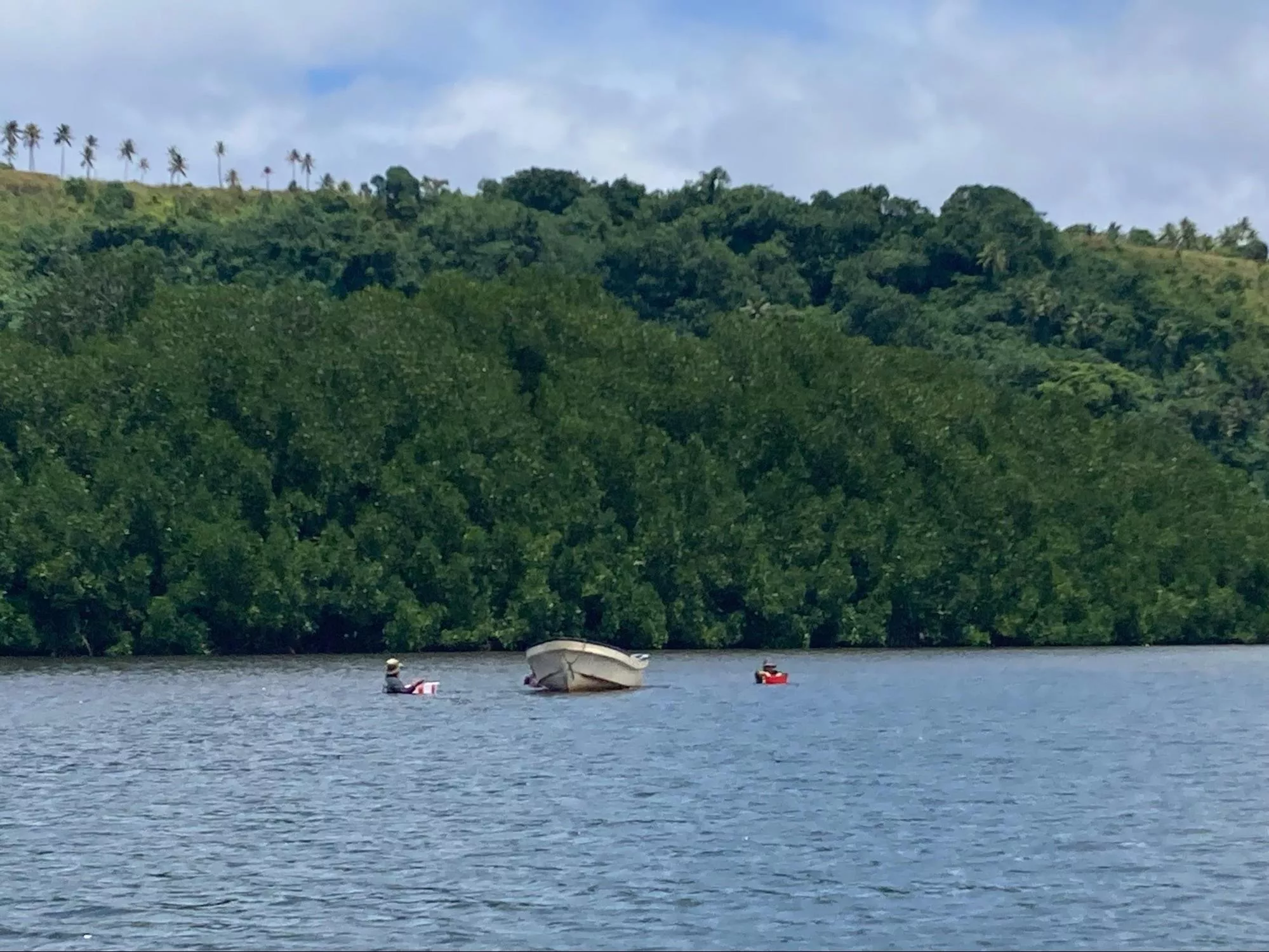
As we approached the canal, I witnessed some women in chest-high water. They were line fishinga local practice carried out only by the womenfolk.

It appeared to be safe, fun, easy so relaxing that I suggested that it might make for a great tour excursion for visitors who may want to experience such activities.

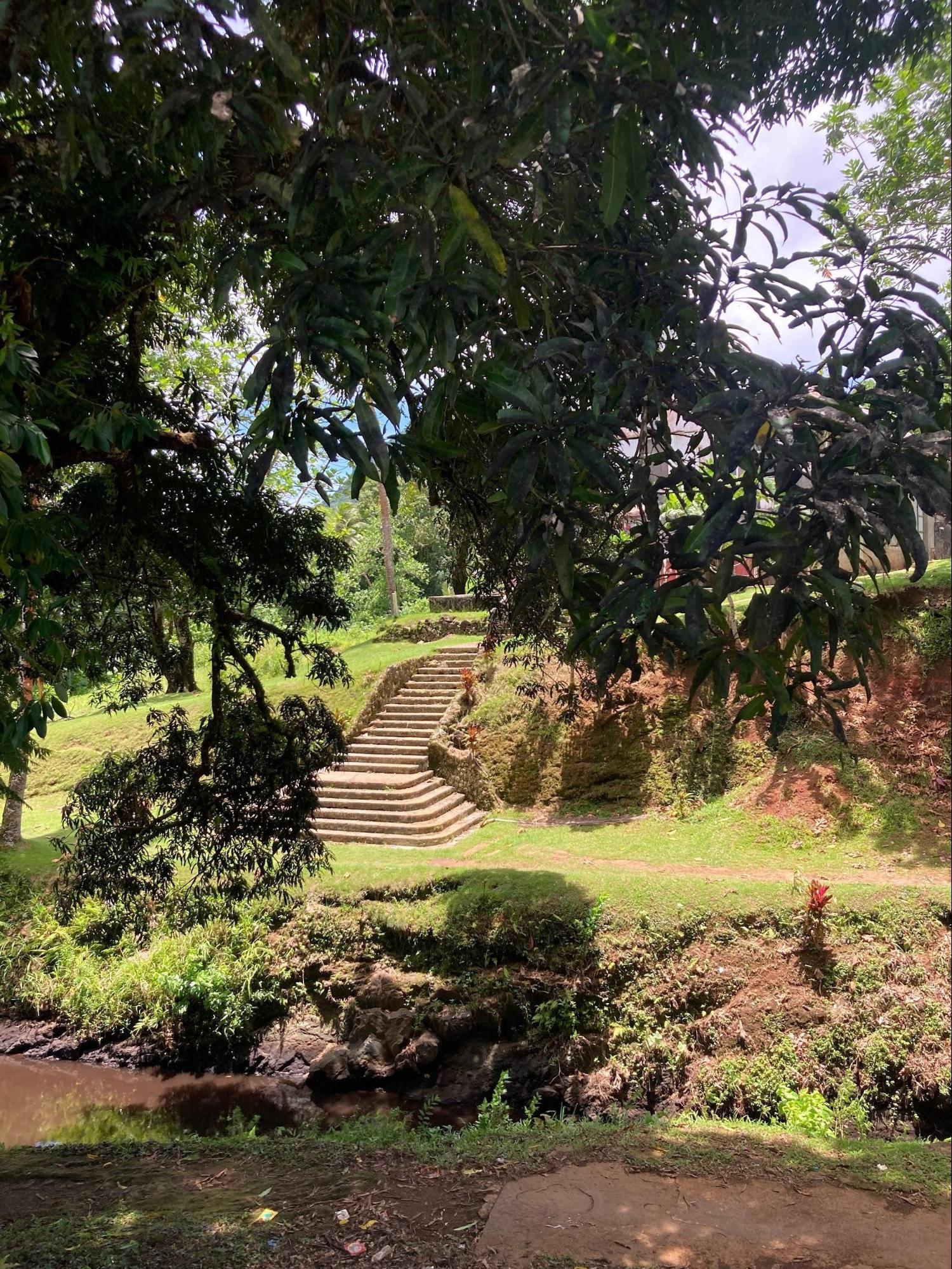
After arriving at the dock, we went on a short easy hike to the village.

No traffic…

No cars…

No noise…

The only means of getting around was on foot. It was quiet, beautiful and very peaceful.


We were greeted by some childhood friends of my guide who welcomed us with an imported drink and locally grown fruit.

As the friends caught up, I made my way around the area. The place was very clean and the grounds well looked after.

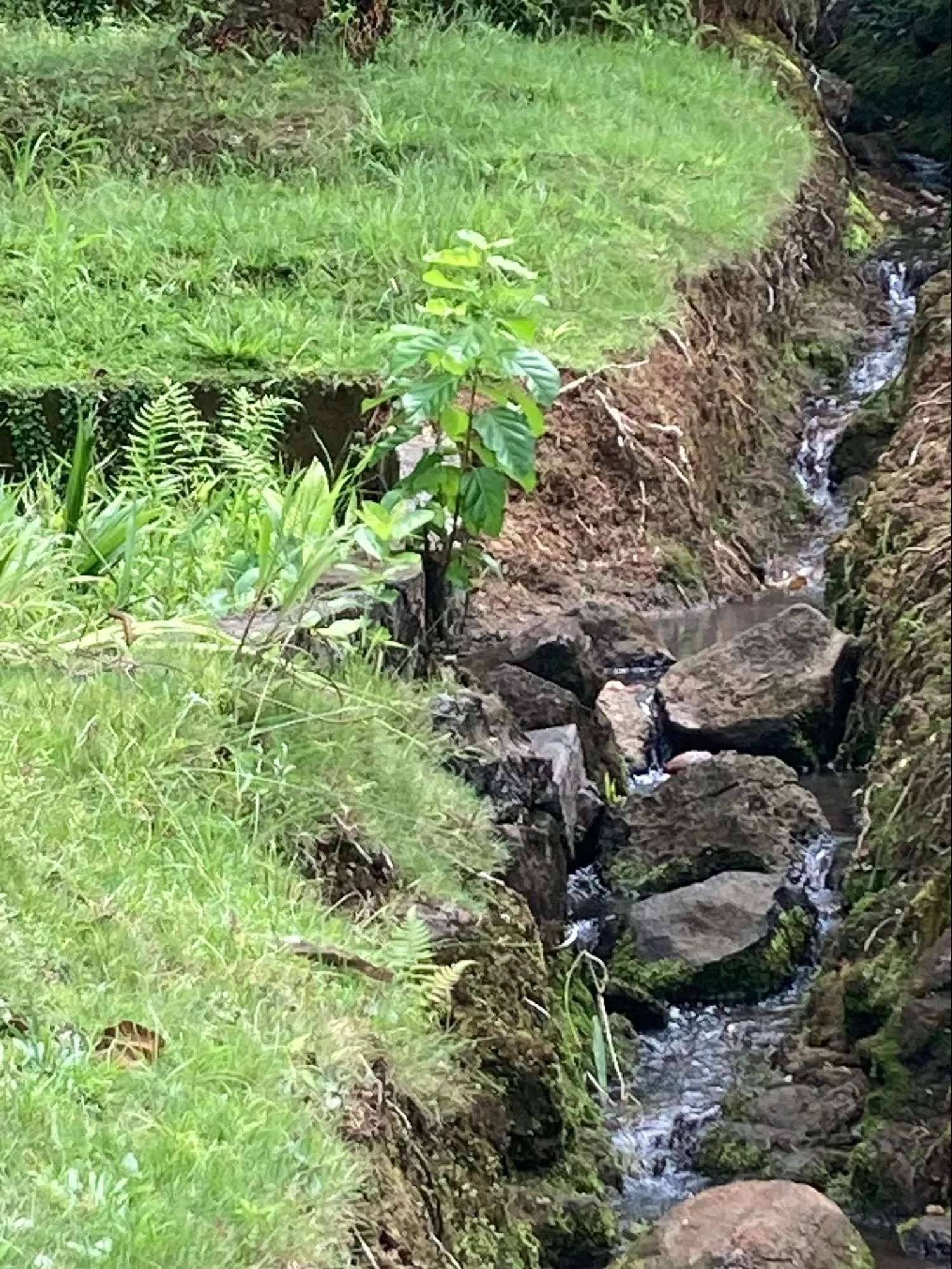
And then there I was, in the midst of beautiful botanical gardens in the most natural tropical environment.

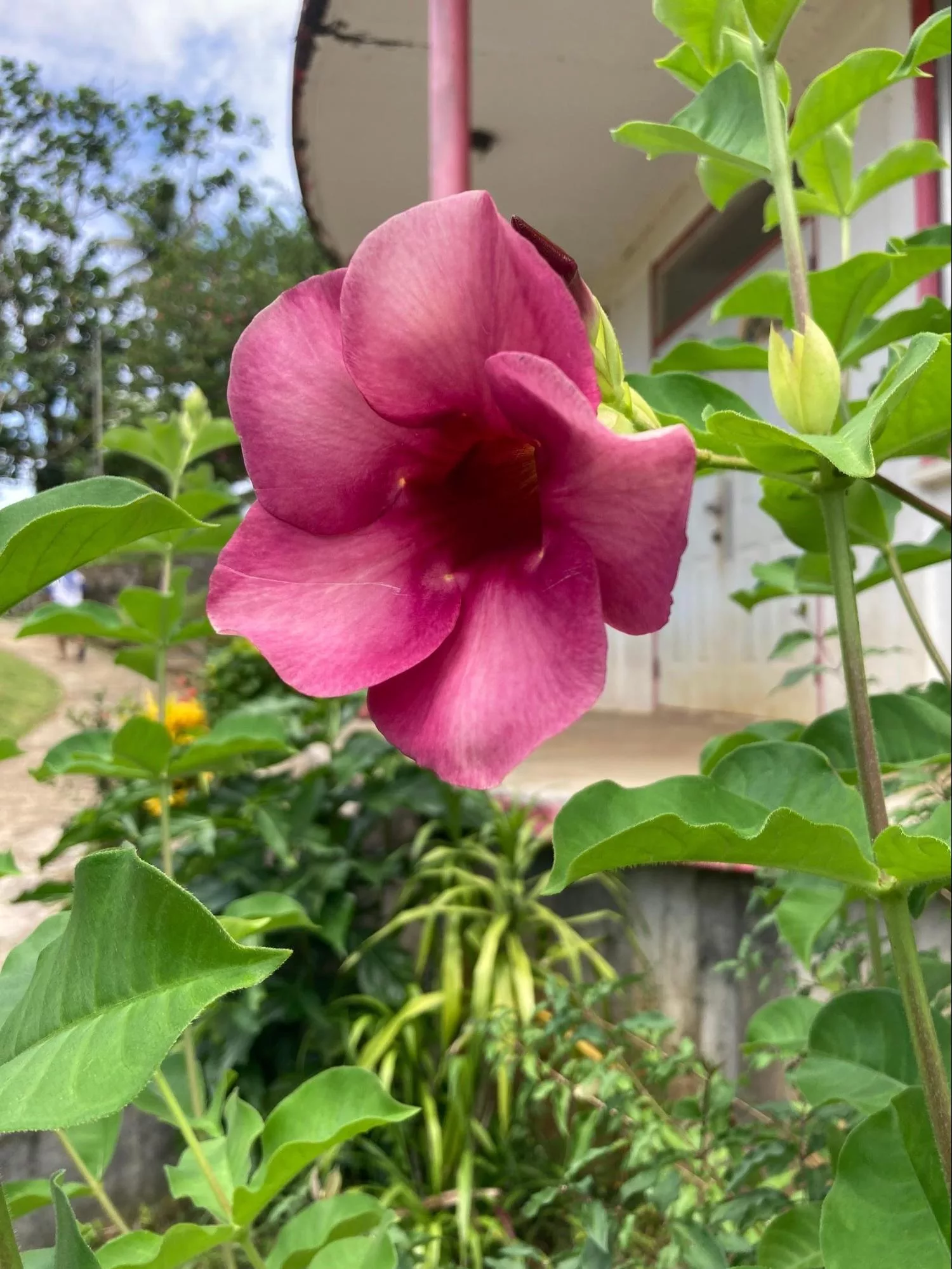
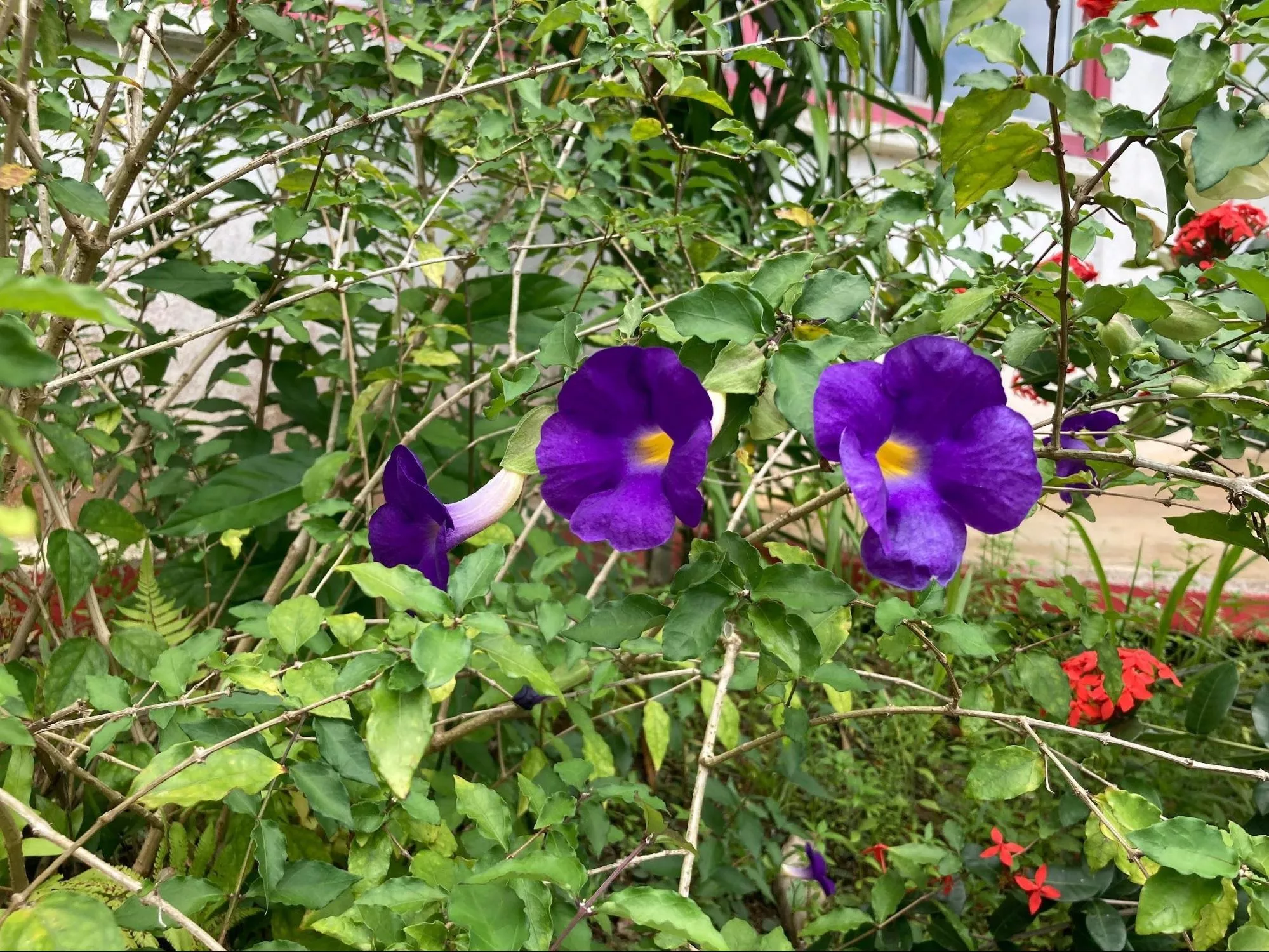
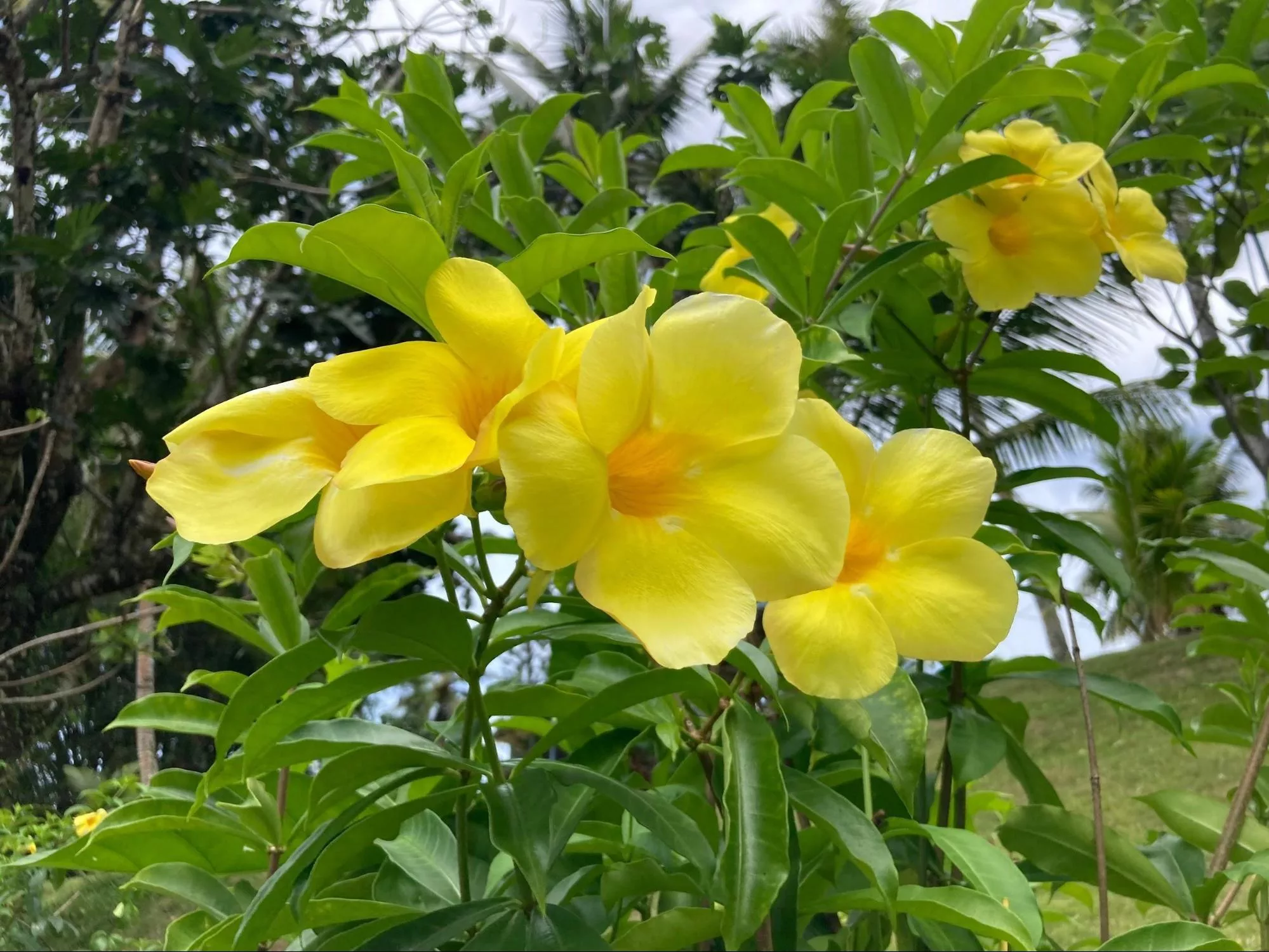
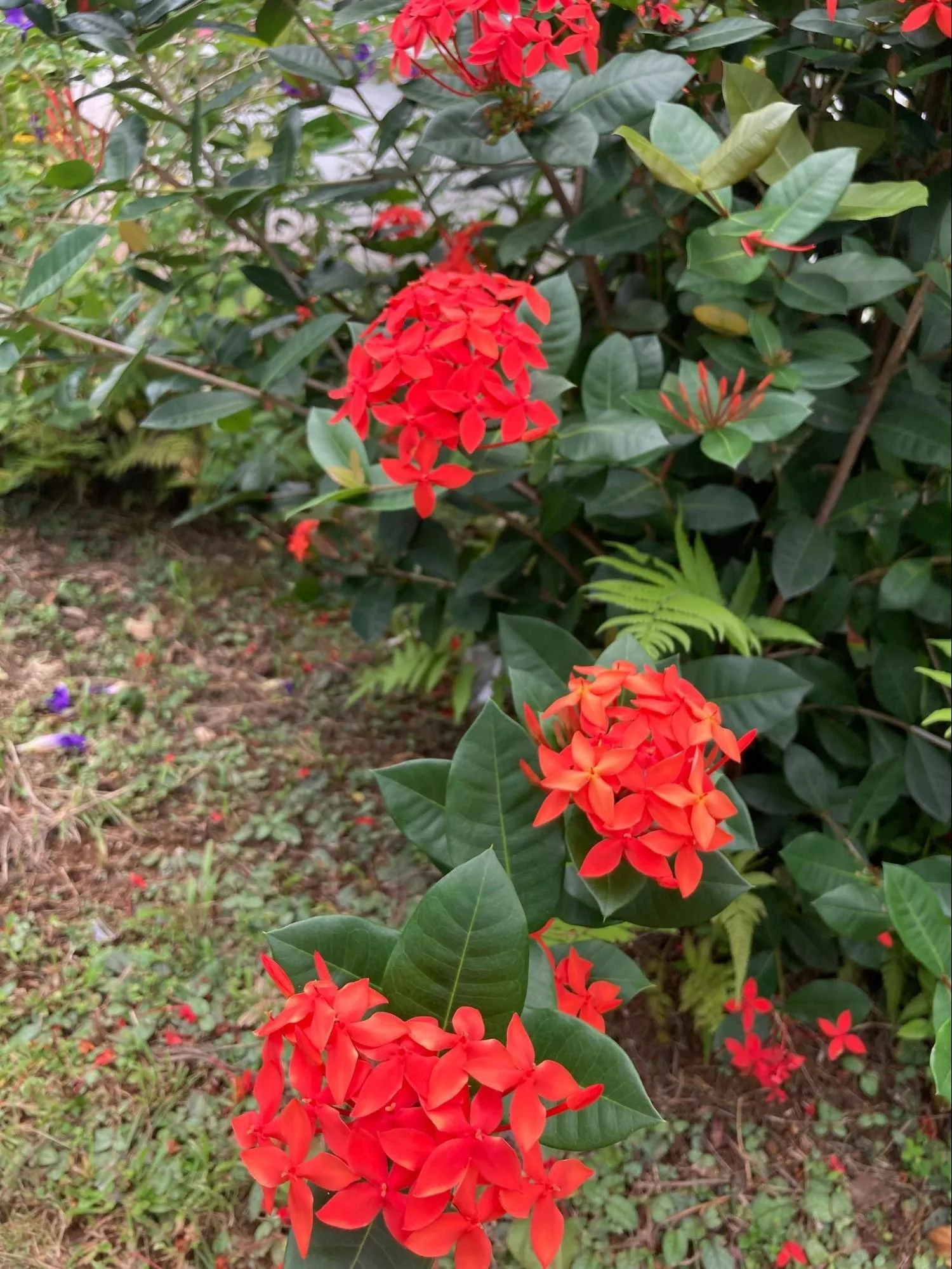
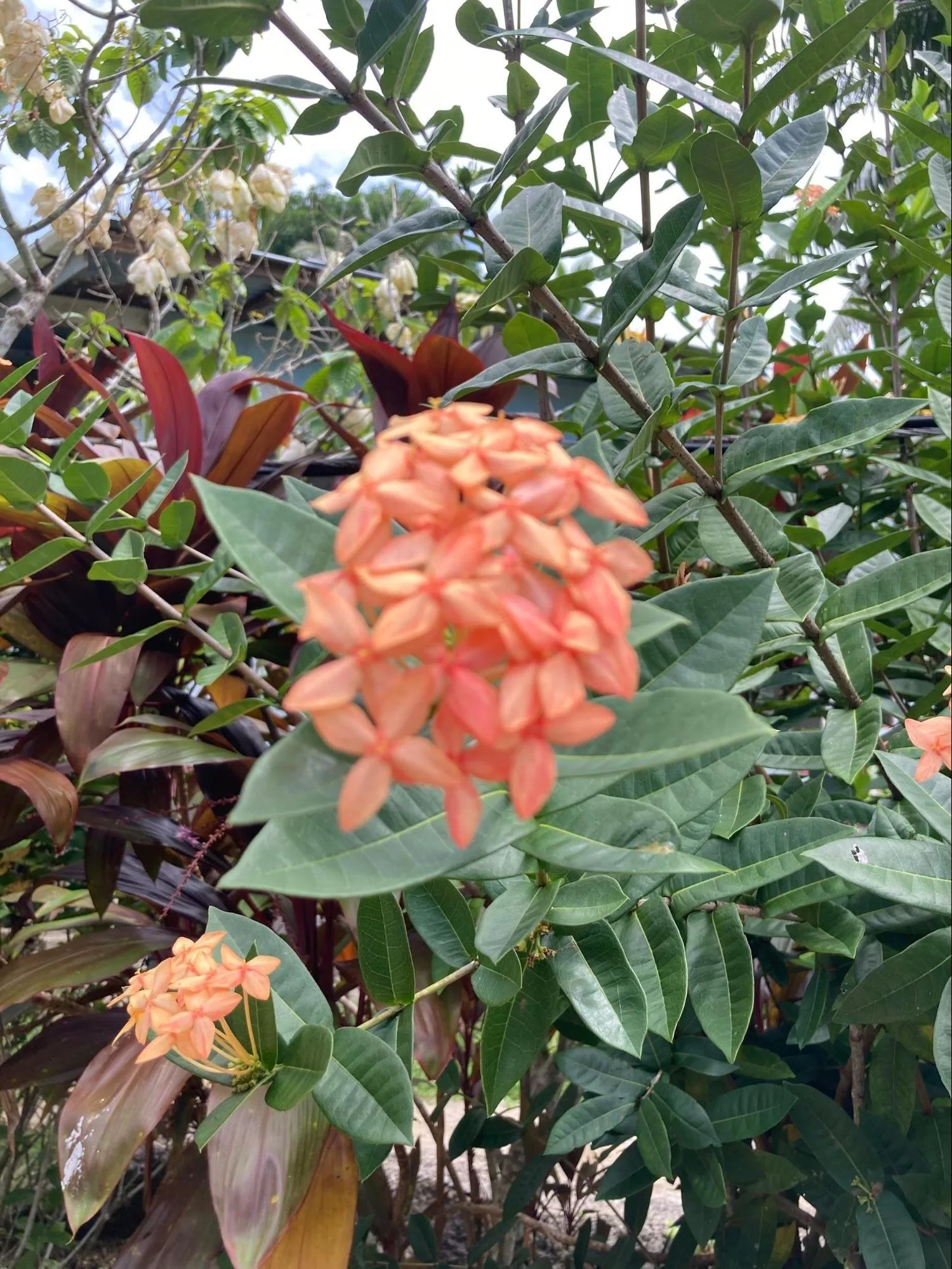
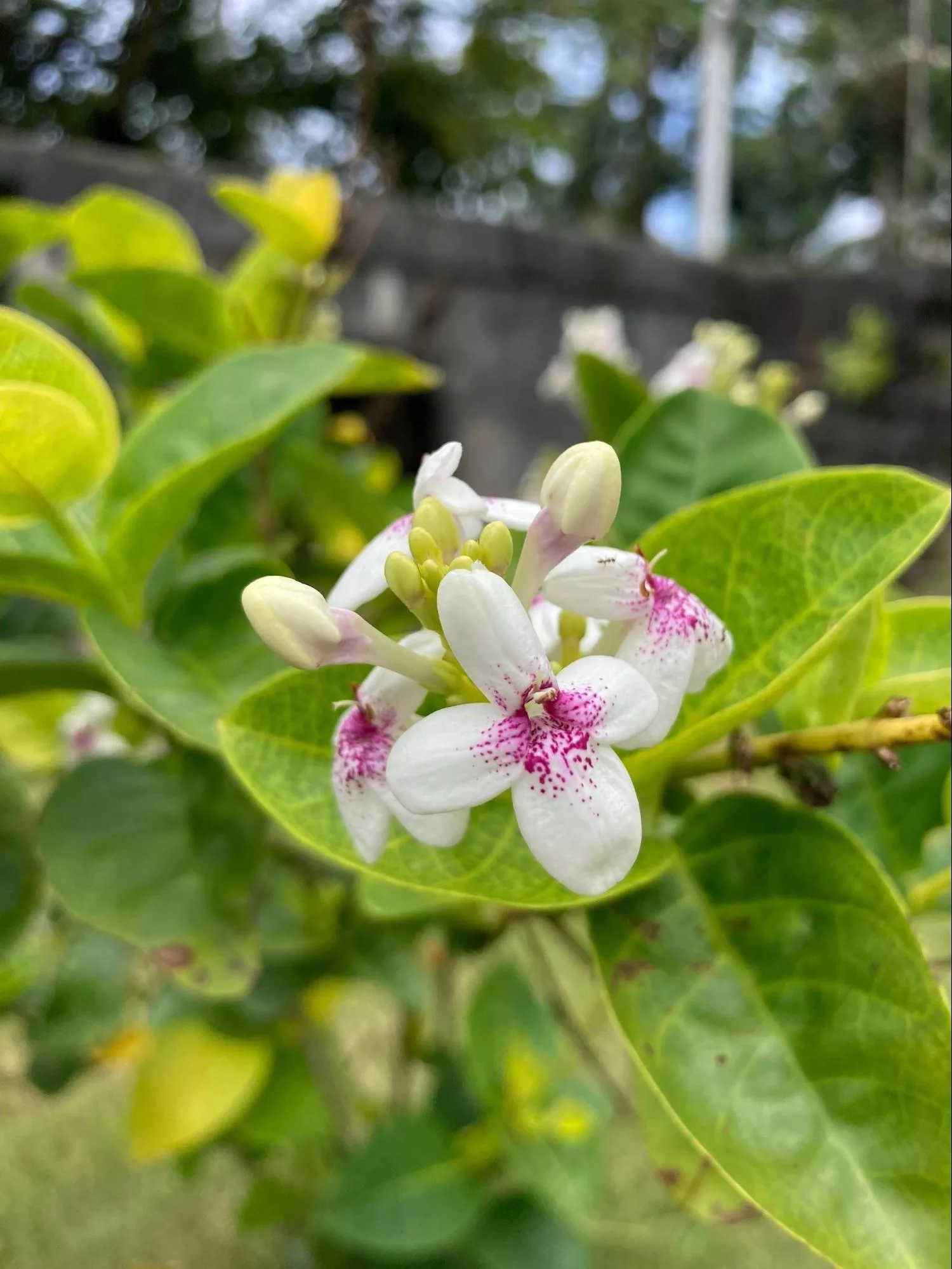
There were bright and colourful flowers everywhere.

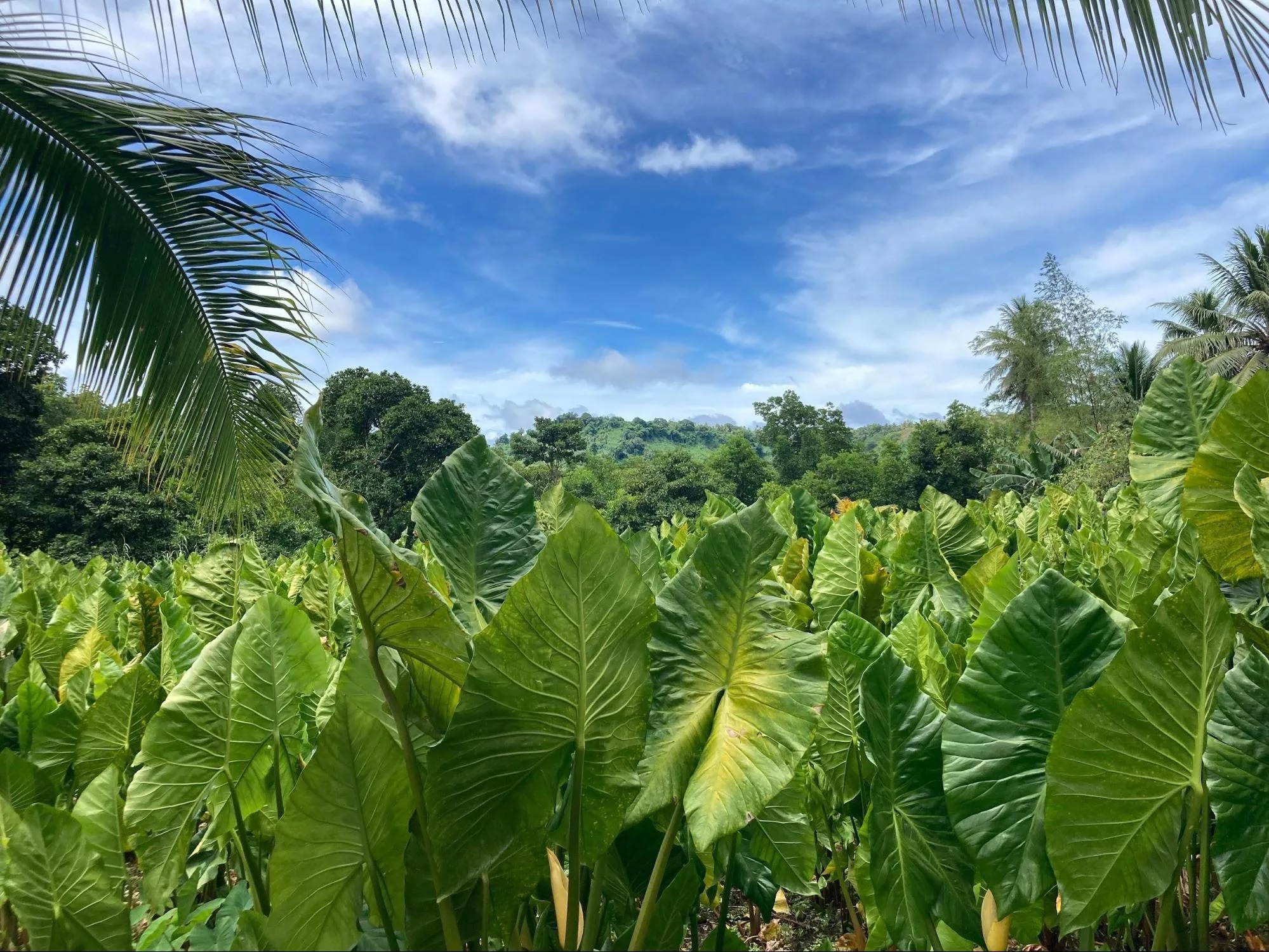
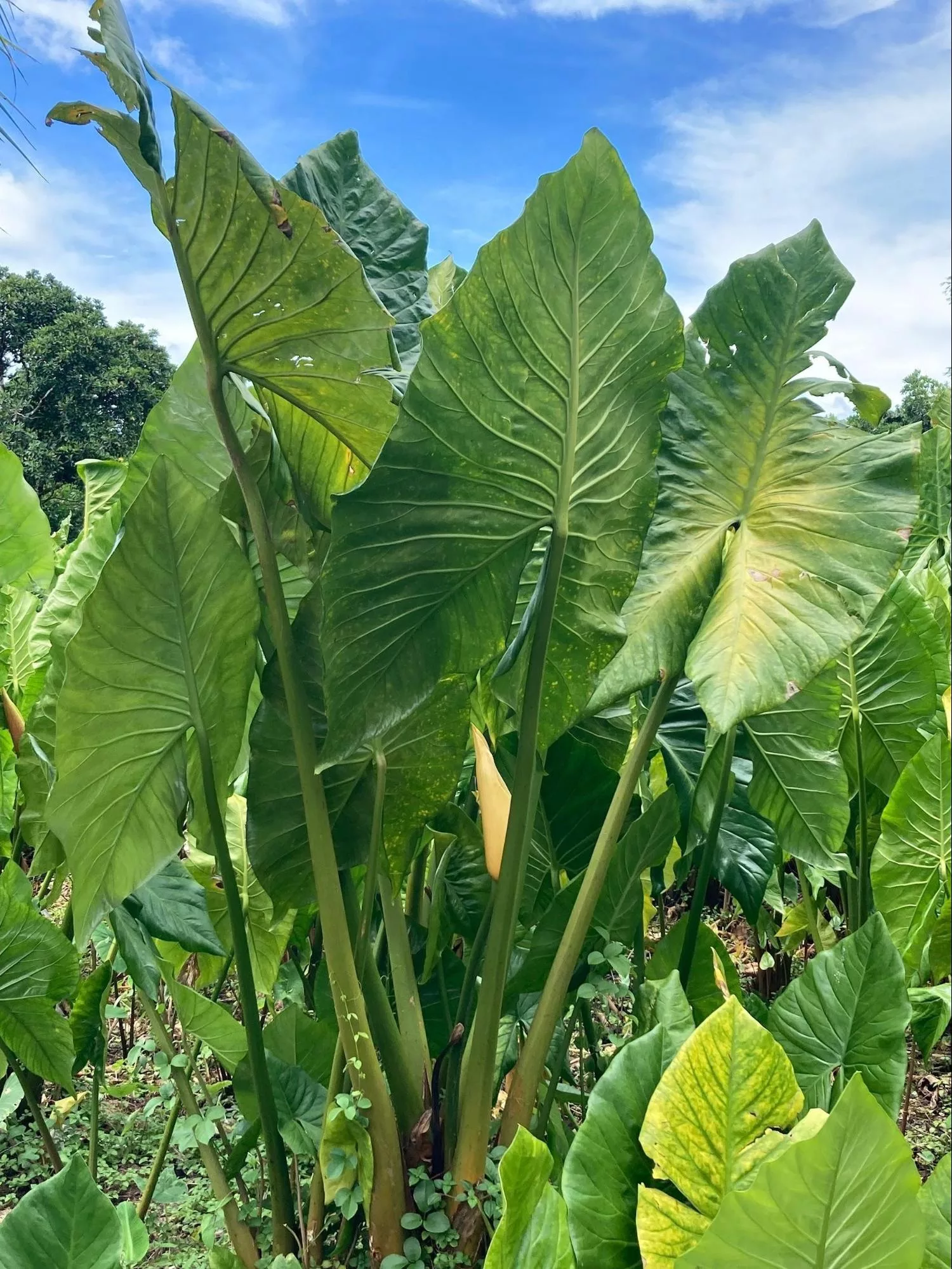
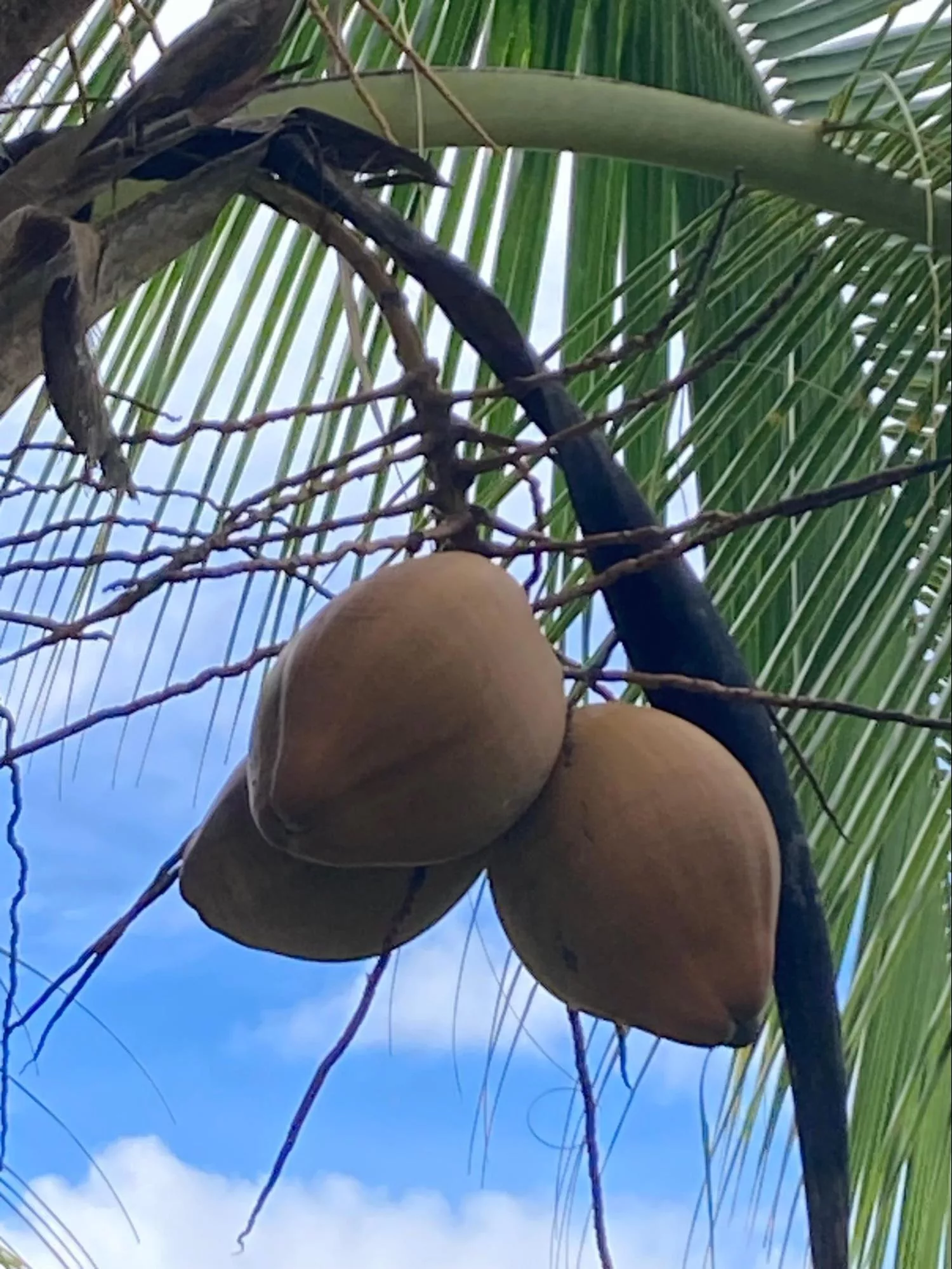
And fields of thriving local vegetables such as taro and coconuts.

So as one can see, contrary to its reputation, the Faichuk Islands also have a simple, gentle, quiet, bountiful, beautiful and peaceful side.

In addition to diving the world renowned Truk Lagoon, visitors may also kayak the mangroves, hike interesting trails, and fish the local way.

Venturing to the Faichuk Islands of Chuuk was a great experience to see what they had to offer.

I am looking forward to the day it will have things set in place to welcome visitors to its unique shores to experience their way of life.

Hearing what had happened there in the past allowed me to understand why they have such a notorious reputation of being rough and tough.

Here’s to our new found Faichuk Friends! Good Luck & Kinisou Chapur!