Aro’a Beachside Resort

Discover Aro’a Beachside Resort: Your Luxurious Beachfront Paradise Awaits

Nestled on the pristine white sands and overlooking a crystal clear lagoon, Aro’a Beachside Resort stands as a beacon for those seeking both luxury and adventure in a beachfront paradise. This idyllic retreat offers travelers luxurious accommodations that seamlessly blend comfort with the natural beauty of the island. With vibrant marine life just steps from your door and a plethora of water sports at your fingertips, Aro’a Beachside Resort is the perfect destination for those craving a tropical vacation filled with both relaxation and excitement. From the breathtaking sunsets that paint the sky to the adrenaline-pumping activities available, this resort promises an unforgettable experience. Join us as we delve into the unique allure of Aro’a Beachside Resort, where tranquility and adventure coexist harmoniously.

Luxurious Accommodations at Aro’a

Aro’a Beachside Resort offers an unparalleled blend of luxury and nature for travelers looking for a memorable stay. The accommodations at this resort are designed with comfort and elegance in mind, ensuring a restful and indulgent experience. Guests can enjoy the serene atmosphere while being enveloped by the beauty of the island.

Beachfront Paradise Experience

Staying at Aro’a Beachside Resort means waking up to the gentle sound of waves and stepping onto a pristine white sandy beach. The beachfront accommodations provide direct access to the stunning crystal clear lagoon, allowing you to immerse yourself in the natural beauty of the island at any moment.

Guests can relish the authentic island lifestyle that combines both relaxation and adventure. You can start your day with a refreshing swim or a leisurely walk along the shore, soaking in the tranquility that defines this beachfront paradise. Whether you are seeking solitude or fun, the beachfront offers a perfect setting for both.

Stay in Tropical Elegance

The accommodations at Aro’a Beachside Resort are designed to reflect the natural elegance of the tropics. Every room is tastefully decorated, combining modern amenities with island-inspired decor. Luxurious furnishings ensure comfort, while large windows and open spaces invite nature inside, creating an airy and relaxing atmosphere.

The rooms offer breathtaking views of the lagoon, making it easy to unwind and enjoy the serene environment. Each accommodation is equipped with modern conveniences to ensure a comfortable stay, including luxurious bedding, air conditioning, and Wi-Fi, allowing you to stay connected or disconnect as you please.

Adventure and Relaxation

Aro’a Beachside Resort provides the perfect combination of adventure and relaxation. Surrounded by beautiful landscapes and a vibrant marine ecosystem, guests have endless opportunities to explore and unwind. Whether you crave physical activity or a peaceful retreat, the resort caters to all preferences.

Crystal Clear Lagoon Activities

The crystal clear lagoon is a highlight at Aro’a Beachside Resort, offering a variety of activities that cater to both adventure enthusiasts and those seeking leisure. The underwater world here is teeming with vibrant marine life, making it a snorkeler’s paradise.

Guests can explore the lagoon’s colorful coral reefs and encounter a diverse array of fish species. This experience offers a unique glimpse into the local marine biodiversity, making it a must-do activity during your stay. For a more leisurely option, the calm waters of the lagoon are perfect for paddleboarding or kayaking.

Exciting Water Sports Available

For thrill-seekers, Aro’a Beachside Resort offers a range of exciting water sports. From jet skiing to windsurfing, there are numerous ways to get your adrenaline pumping. The resort provides all necessary equipment and guidance, ensuring a safe and enjoyable experience.

  1. Jet Skiing: Experience the rush of riding the waves on a jet ski.

  2. Windsurfing: Harness the power of the wind and glide across the water.

  3. Kayaking: Paddle through the lagoon and explore hidden coves.

For more information on these activities, visit Paradises Destination Guide and Cook Islands Travel.

Serenity in Paradise

Beyond the adventure, Aro’a Beachside Resort is a sanctuary of peace and serenity. It offers a perfect escape from the hustle and bustle of everyday life, allowing guests to rejuvenate their mind and body while surrounded by stunning natural beauty.

Stunning Sunsets to Savor

One of the most captivating features of Aro’a Beachside Resort is its stunning sunsets. As the day draws to a close, guests can witness the sky transform into a canvas of vibrant hues. This breathtaking display is best enjoyed from the beach, where the horizon seems to merge with the sea.

Visitors can unwind with a cocktail in hand, reflecting on the day’s adventures and creating memories that will last a lifetime. These moments of tranquility are what make Aro’a Beachside Resort an unforgettable destination.

Tranquil Escape for Relaxation

Aro’a Beachside Resort is not just a place for adventure; it’s a haven for relaxation. The peaceful surroundings and luxurious amenities make it easy to unwind and escape from daily stress. Whether lounging on the beach or enjoying a massage at the spa, relaxation is always within reach.

Guests can take a leisurely stroll through the lush gardens or simply relax in a hammock, embracing the soothing rhythms of the island. The resort’s commitment to providing a tranquil atmosphere ensures that every guest leaves feeling refreshed and rejuvenated.


S & C Hotel Suites & Apartments

Exploring Koror: Top Reasons to Choose S & C Hotel Suites for Your Stay

Nestled in the heart of Koror, S & C Hotel Suites & Apartments offers an exceptional blend of comfort and convenience for travelers eager to explore this tropical paradise. Just a stone’s throw away from renowned attractions like Dolphins Pacific and the Etpison Museum, this charming hotel ensures that guests are never far from the action. With amenities such as kitchenettes and complimentary WiFi, S & C Hotel Suites stands out as a leading choice for those seeking a comfortable hotel in Koror. Ideal for both short stays and extended visits, the hotel provides a perfect base to unwind and discover the captivating beauty of Palau. Join us as we delve into the top reasons why S & C Hotel Suites should be at the top of your list for Koror accommodations.

Discover S & C Hotel Suites

S & C Hotel Suites offers an inviting retreat for travelers visiting Koror. With its blend of modern conveniences and warm hospitality, this hotel is a standout choice for visitors. Here’s why it should be at the top of your list when considering Koror accommodations.

Comfortable Hotel in Koror

At S & C Hotel Suites, comfort is a priority. Guests enjoy well-appointed rooms featuring air conditioning, private bathrooms, and flat-screen TVs. The cozy ambience is complemented by thoughtful touches like complimentary tea and coffee, ensuring a pleasant stay.

The spacious rooms offer a serene environment, ideal for both relaxation and productivity. Whether you’re in Koror for business or leisure, the hotel provides a serene oasis amid the bustling city. The attention to detail in room design and amenities sets S & C Hotel Suites apart from other accommodations.

Hospitality is at the heart of S & C Hotel Suites’ ethos. Guests are welcomed with warm smiles and efficient service, reflecting the hotel’s commitment to making every stay memorable. This dedication to service extends beyond just the accommodations, ensuring a truly enriching experience.

Free WiFi Hotel Amenities

S & C Hotel Suites understands the importance of staying connected. As a free WiFi hotel, it ensures that guests can easily access the internet for work or leisure. This amenity is available throughout the property, allowing you to remain connected at all times.

Guests can enjoy seamless browsing, streaming, and communication, thanks to the hotel’s reliable internet connection. Whether you’re catching up on emails or video chatting with loved ones, the hotel’s WiFi service caters to all your digital needs.

In addition to WiFi, the hotel offers a range of other amenities designed to enhance your stay. From self-service laundry facilities to airport transfers, each feature is thoughtfully curated to provide convenience and comfort.

Hotel with Kitchenettes

For those who appreciate the convenience of self-catering, S & C Hotel Suites offers rooms equipped with kitchenettes. These include a fridge, stovetop, and basic cooking utensils, allowing guests to prepare their own meals easily.

The inclusion of kitchenettes is particularly beneficial for extended stays, providing a home-like atmosphere. Guests can shop at local markets and enjoy the fresh flavors of Palau from the comfort of their rooms.

This feature is a testament to the hotel’s commitment to offering flexible accommodation options. Whether you prefer dining out or cooking your own meals, S & C Hotel Suites caters to a variety of preferences.

Prime Location Benefits

One of the standout features of S & C Hotel Suites is its prime location. Situated in the heart of Koror, the hotel is perfectly positioned for exploring the area’s attractions. This central location is a key factor in its appeal to travelers.

Proximity to Dolphins Pacific

S & C Hotel Suites is conveniently located near Dolphins Pacific, one of Koror’s most popular attractions. This facility offers unique opportunities to interact with dolphins, making it a must-visit for animal lovers.

Visitors can enjoy educational programs and hands-on experiences, deepening their understanding of these fascinating creatures. The proximity of the hotel to Dolphins Pacific ensures that guests can easily include this attraction in their itinerary.

The convenience of staying close to such a remarkable site adds significant value to your stay. It allows for spontaneous visits and maximizes your time in Koror, making your trip more relaxed and enjoyable.

Near Etpison Museum Attractions

Another advantage of S & C Hotel Suites is its proximity to the Etpison Museum, an essential stop for those interested in Palau’s rich cultural heritage. This museum showcases exhibits on local history, marine life, and traditional arts.

Visitors to the museum can explore a variety of exhibits, each offering insights into Palau’s past and present. The museum’s convenient location means guests of S & C Hotel Suites can easily incorporate a visit into their plans.

This access to cultural attractions enhances the overall experience of staying in Koror. The hotel serves as an ideal base for those eager to explore and learn, providing both comfort and convenience in one package.


Belau National Museum

Exploring the Depths of Palauan Heritage: A Journey Through Palau’s History and Culture

Nestled in the heart of the Pacific Ocean, the island nation of Palau is a treasure trove of cultural richness and historical depth waiting to be explored. The Belau National Museum stands as a beacon of Palauan heritage, offering an immersive experience into Palau’s history and culture through its meticulously curated museum exhibits. Renowned for its dedication to preserving the diverse traditions and stories of the Palauan people, this museum is a key destination for anyone interested in cultural tourism in Palau. As you step inside, prepare to be captivated by an array of artifacts and narratives that paint a vivid picture of this unique archipelago’s past and present. Embark on a journey that promises to intrigue and excite, revealing the intricate tapestry of Palau’s vibrant cultural landscape.

Discovering Palau’s Rich History

Palau’s history is as intriguing as it is extensive, offering a window into the past that is both educational and fascinating. From its origins to pivotal events, understanding Palau’s history is crucial for anyone looking to appreciate its present-day culture and society.

Origins of Palauan Heritage

Palauan heritage is deeply rooted in its Austronesian origins, dating back over 3,000 years. Oral traditions play a vital role in preserving history, with stories and legends passed down through generations. These tales often speak of ancestral spirits and the mythical creation of the islands.

The early Palauans were skilled navigators and fishermen. They crafted stone paths and terraces, evidence of which still exists today. Their society was organized into matrilineal clans, with women holding significant power and influence within the community.

Archaeological findings suggest a rich cultural exchange with neighboring islands. Pottery shards and stone tools found in Palau reflect these interactions, showcasing the island’s role in the broader Austronesian migration patterns.

Key Events in Palau History

Several key events have shaped Palau’s history, each leaving an indelible mark on its cultural landscape. The island was first encountered by Europeans in the 16th century, but it wasn’t until the 18th century that contact became more frequent.

In the late 19th century, Palau became a colonial possession, first under Spain, then Germany, and later Japan. Each colonial power influenced Palau’s administrative and cultural structures, leaving behind a legacy of blended traditions.

During World War II, Palau was a strategic location, witnessing significant battles, most notably on Peleliu Island. The war left a lasting impact, with relics and memorials scattered across the islands, serving as poignant reminders of the past.

Experiencing Palau Culture

Palau’s culture is a vibrant tapestry of traditions, ceremonies, and daily practices. The Belau National Museum offers a comprehensive overview of this cultural richness through its exhibits and programs, providing both locals and visitors with a deeper understanding of Palauan life.

Highlights of Museum Exhibits

The Belau National Museum boasts an impressive collection of artifacts and exhibits. Visitors can explore everything from traditional Palauan canoes to intricate beadwork and textiles.

One of the standout exhibits is the “Bai” or men’s meeting house. This structure is not just an architectural marvel but also a cultural symbol, representing the communal spirit of the Palauan people.

In addition to physical artifacts, the museum offers multimedia presentations, giving life to Palau’s history through films and interactive displays. These exhibits provide an immersive experience, making the past accessible to all ages.

Educational Programs at Belau National Museum

The Belau National Museum offers a variety of educational programs designed to engage and inform. From workshops on traditional crafts to lectures on Palauan history, there’s something for everyone.

Workshops allow participants to learn directly from local artisans, gaining hands-on experience in traditional Palauan crafts such as weaving and woodworking. These sessions not only teach skills but also foster cultural appreciation.

Lecture series delve into various aspects of Palauan history and culture, often featuring guest speakers who are experts in their fields. These talks provide deeper insights and encourage discussions among participants.

Field trips organized by the museum offer unique opportunities to explore Palau’s historical sites, providing a real-world context to the knowledge gained inside the museum.

Cultural Tourism in Palau

Cultural tourism in Palau offers a unique opportunity to engage with local traditions and practices. The island nation welcomes visitors to explore its rich cultural heritage through various activities and attractions.

Exploring Local Traditions

Visitors to Palau can immerse themselves in local traditions through community events and festivals. One such event is the Etpison Museum’s Annual Cultural Night, which showcases traditional dances, music, and cuisine.

Participation in village tours provides insight into daily life, allowing tourists to see traditional Palauan homes and farming practices. These tours often include demonstrations of local crafts, such as canoe building and storytelling.

Cultural festivals offer another avenue for exploration. The annual Palau Night Market is a vibrant celebration of food, art, and music, providing a platform for locals to share their heritage with visitors.

Planning Your Visit to Palau

Planning a visit to Palau requires some forethought to make the most of the cultural attractions available. Here are a few tips to ensure a memorable experience:

  • Research: Use resources like TripAdvisor to read reviews and plan your itinerary.

  • Schedule: Check the Belau National Museum for special events or temporary exhibits that may coincide with your visit.

  • Engage: Participate in educational programs and workshops to gain a deeper understanding of Palauan culture.

  • Explore: Make time to visit not only popular attractions but also lesser-known sites to get a comprehensive view of Palau’s heritage.

By following these guidelines, travelers can enjoy a fulfilling and culturally enriching visit to Palau.


Culinary Journey Palau

Discover the Taj Palau Restaurant: A Culinary Gem in the Heart of Palau

Nestled amidst the stunning landscapes of Palau, the Taj Palau restaurant stands as a beacon for those seeking the vibrant and aromatic world of Indian cuisine. This culinary gem in Palau invites food enthusiasts and travelers alike to savor authentic Indian dishes crafted with traditional spices and ingredients. Set against a backdrop of warm hospitality and exceptional service, the Taj Palau menu offers a delectable array of options that promise to tantalize the taste buds and transport diners to the heart of India. Whether you’re a local in search of new dining adventures or a visitor eager to experience the best of dining in Palau, this restaurant is a must-visit destination that ensures an unforgettable gastronomic journey. Join us as we delve into the flavors, specialties, and unique offerings that make Taj Palau an essential stop on any culinary itinerary.

Exploring Taj Palau Restaurant

The Taj Palau Restaurant is more than just a dining venue; it’s a journey into the heart of Indian culinary traditions set within the picturesque landscapes of Palau. This section provides insights into why this dining spot is considered a culinary gem, renowned for its inviting atmosphere and unmatched service.

A Culinary Gem in Palau

Taj Palau Restaurant is celebrated as a culinary gem in Palau due to its commitment to authenticity and quality. Nestled in a serene setting, it offers a unique blend of Indian cuisine with local touches that make it stand out. The restaurant is a top pick on TripAdvisor for its exceptional food quality and ambiance.

Authenticity is key; diners can expect dishes crafted with traditional techniques and ingredients that showcase the rich tapestry of Indian flavors. The use of spices and cooking methods rooted in centuries-old practices is a testament to Taj Palau’s dedication to culinary excellence.

In summary, the Taj Palau Restaurant is a standout destination for those seeking a genuine Indian dining experience in Palau, as noted in various reviews and listings.

Warm Ambiance and Exceptional Service

The ambiance at Taj Palau is warm and welcoming, creating an inviting environment for all guests. The interior is adorned with elements that reflect Indian culture, providing an immersive experience.

Service at the Taj Palau is characterized by attentiveness and a personal touch, ensuring that every visit is memorable. Staff members are well-versed in the menu, providing recommendations to enhance the dining experience.

Reviews highlight the friendly nature of the staff, emphasizing how their service enhances the overall dining experience. This dedication to customer care sets Taj Palau apart as a go-to spot for both locals and visitors.

Dining in Palau: A Must-Visit

Dining at Taj Palau is a must for anyone visiting Palau. This restaurant is listed on several platforms such as Evendo, showcasing its popularity and high ratings.

The restaurant’s strategic location makes it easily accessible, providing a perfect opportunity to enjoy a meal while exploring Palau’s scenic beauty. Its reputation as a top dining destination is well-earned, making it a must-visit for food enthusiasts.

Visitors are encouraged to make reservations in advance due to its popularity, ensuring a seamless and enjoyable dining experience.

The Taj Palau Menu

The Taj Palau menu is a testament to the rich diversity of Indian cuisine. This section highlights the authenticity and traditional roots of its dishes, providing insight into what makes this menu truly special.

Authentic Indian Dishes

Taj Palau’s menu is a celebration of authentic Indian dishes, meticulously prepared to preserve traditional flavors. The restaurant’s chefs use a blend of spices and herbs that are integral to Indian cooking, ensuring every dish resonates with authenticity.

Signature dishes include classics like butter chicken, biryani, and various types of naan, all prepared with an emphasis on quality and flavor. These dishes are crafted using recipes passed down through generations, offering a taste of India in every bite.

The menu also features a selection of vegetarian and vegan options, catering to diverse dietary preferences without compromising on taste or authenticity.

Traditional Delights with Authentic Ingredients

Authentic ingredients are the cornerstone of the Taj Palau menu. The chefs take pride in sourcing spices and produce that are essential to recreating the authentic flavors of Indian cuisine.

The use of traditional ingredients like turmeric, cardamom, and cumin is evident in many dishes, providing a sensory delight that captivates the palate. The restaurant’s commitment to authenticity extends to its presentation, ensuring each dish looks as good as it tastes.

This dedication to using authentic ingredients is part of what makes dining at Taj Palau a unique experience, offering a genuine taste of Indian culinary tradition.

Unique Offerings and Specialties

Taj Palau’s menu features unique offerings that set it apart from other dining options in Palau. Specialties include regional dishes that highlight the diversity of Indian cuisine, offering something new for even the most seasoned food enthusiasts.

The restaurant also offers seasonal specials, showcasing the chef’s creativity and ability to innovate within the framework of traditional Indian cooking. These specials often incorporate local ingredients, adding a distinctive twist to classic recipes.

Diners can look forward to a menu that is both dynamic and rooted in tradition, providing a perfect balance of familiar favorites and new discoveries.

Experience Indian Cuisine in Palau

Experiencing Indian cuisine at Taj Palau is a journey through rich flavors and vibrant spices. This section explores the sensory delights that make dining here an unforgettable experience.

Rich Flavors and Vibrant Spices

The hallmark of Indian cuisine is its rich flavors and vibrant spices, and Taj Palau delivers on both fronts. The restaurant’s dishes are a symphony of taste, with each spice playing a crucial role in creating a harmonious blend.

Diners are treated to a variety of flavors, from the heat of chili to the warmth of cinnamon, providing a depth of taste that is both complex and satisfying. The use of fresh herbs and spices ensures each dish is aromatic and flavorful.

This emphasis on flavor and spice is what makes Taj Palau a sought-after destination for those looking to explore the richness of Indian cuisine in Palau.

Unforgettable Dining Experience

An unforgettable dining experience is what Taj Palau guarantees. The combination of expertly crafted dishes and a welcoming ambiance ensures that each visit is memorable.

Guests are encouraged to relax and savor their meals, with the option to enjoy a drink from the well-stocked bar or a traditional lassi. The restaurant’s commitment to quality and service enhances the overall experience, leaving a lasting impression.

Whether dining indoors or on the outdoor balcony, the experience is designed to be enjoyable and memorable, making Taj Palau a highlight of any visit to Palau.

Catering to Locals and Travelers Alike

Taj Palau caters to a diverse clientele, including both locals and travelers. Its menu is designed to appeal to a wide range of tastes, offering something for everyone.

Locals appreciate the authenticity and quality of the dishes, while travelers enjoy the opportunity to experience a taste of India while exploring Palau. The restaurant’s reputation and high ratings make it a popular choice for those seeking a memorable dining experience.

In conclusion, Taj Palau is a must-visit for anyone interested in experiencing authentic Indian cuisine in Palau, offering a dining experience that delights all senses.


The Pristine Villas and Bungalows at Palau Pacific Resort

Your Guide to the Breathtaking Luxury Accommodations at Palau Pacific Resort

Nestled in the heart of one of the Pacific’s most enchanting locales, Palau Pacific Resort presents an idyllic retreat for discerning travelers craving both opulence and serenity. These luxury villas in Palau are more than mere accommodations; they are gateways to a world where lush landscapes meet stunning ocean views, crafting an unforgettable travel escape in Palau. Each tranquil bungalow is designed with meticulous attention to detail, offering private terraces perfect for savoring breathtaking sunsets and luxurious amenities that redefine comfort. In this post, we will delve into the intricate resort experiences awaiting you, providing Palau travel tips to enhance your stay in this haven of tranquility and elegance.

Discovering Palau Pacific Resort

Palau Pacific Resort stands as an epitome of elegance and relaxation in the Pacific. This section highlights the luxury villas and tranquil bungalows that define the exquisite allure of this destination. Each accommodation type offers unique features and amenities designed to provide a personalized haven for guests.

Introduction to Luxury Villas

The luxury villas at Palau Pacific Resort are masterpieces of design and comfort. These accommodations redefine indulgence with their sophisticated interiors and unparalleled services. Each villa boasts spacious living areas adorned with local art, creating a serene ambiance that soothes the senses.

  • Comfort: Every villa is equipped with state-of-the-art amenities, including climate control and high-speed internet access.

  • Design: The architecture blends modern elegance with traditional Palauan elements, providing an authentic cultural experience.

  • Privacy: Villas are strategically positioned to offer seclusion without compromising on stunning views.

For guests seeking a lavish escape, these villas present a perfect blend of luxury and serenity, ensuring an unforgettable stay.

Tranquil Bungalows Overview

Tranquil bungalows at Palau Pacific Resort offer a peaceful retreat amidst lush greenery and pristine beaches. These accommodations are designed to immerse guests in the natural beauty of Palau while providing all the comforts of modern living.

  • Setting: Nestled within tropical gardens, each bungalow offers direct access to the beach, providing an intimate connection with nature.

  • Amenities: Bungalows are equipped with plush bedding, spacious bathrooms, and private porches to enjoy the serene surroundings.

  • Experience: The design emphasizes open spaces and natural materials, creating a harmonious balance between indoor and outdoor living.

This blend of comfort and nature ensures a rejuvenating escape for those seeking tranquility.

Unmatched Ocean Views and Amenities

The allure of Palau Pacific Resort lies in its breathtaking ocean views and well-appointed amenities. This section explores the private terraces and luxurious features that elevate the guest experience, offering an unmatched seaside retreat.

Private Terraces with Sunset Views

Each accommodation at Palau Pacific Resort comes with a private terrace, perfectly positioned to capture the mesmerizing sunsets over the Pacific Ocean. These terraces are more than just viewpoints; they are serene spaces designed for relaxation and reflection.

  • Design: Spacious and elegantly furnished, each terrace offers a breathtaking panorama of ocean views, setting the stage for unforgettable evenings.

  • Ambiance: The tranquil setting, coupled with the gentle ocean breeze, creates an ideal atmosphere for enjoying a quiet moment alone or sharing a romantic evening.

  • Experience: Guests can indulge in a private dinner service on the terrace, enhancing the scenic experience.

Whether sipping a cocktail or enjoying a meal, these terraces provide a perfect sanctuary to unwind and appreciate nature’s beauty.

Luxurious Comforts and Features

Palau Pacific Resort offers an array of luxurious comforts that transform each stay into an indulgent experience. The resort’s features cater to every need, ensuring guests enjoy the pinnacle of comfort.

  • In-Room Amenities: High-end toiletries, plush robes, and personalized services enhance the guest experience.

  • Technology: Modern conveniences like smart TVs and high-speed Wi-Fi ensure connectivity and entertainment.

  • Recreational Facilities: The resort features a world-class spa, infinity pools, and fitness centers designed for relaxation and rejuvenation.

These elements combine to offer a seamless blend of luxury and functionality, crafting a memorable stay for every guest.

Experiential Highlights at the Resort

Beyond accommodations, Palau Pacific Resort offers unique experiences that enrich the travel journey. This section delves into the exclusive activities and essential travel tips that ensure a fulfilling visit.

Unique Resort Experiences

Palau Pacific Resort provides a wide range of activities that cater to diverse interests. From adventurous excursions to relaxing spa treatments, the resort ensures a well-rounded experience for its guests.

  • Water Activities: Guests can enjoy snorkeling, scuba diving, and kayaking, exploring the vibrant marine life of Palau.

  • Cultural Tours: The resort offers guided tours to local cultural sites, providing insights into the rich Palauan heritage.

  • Wellness Programs: Yoga sessions and personalized spa treatments allow guests to unwind and rejuvenate.

These curated experiences ensure that every guest leaves with cherished memories of their time in Palau.

Essential Palau Travel Tips

For travelers planning a visit to Palau, these tips will enhance your experience and ensure a seamless journey. Consider these insights when organizing your trip to make the most of your stay.

  • Travel Requirements: Ensure your passport is valid for at least six months beyond your arrival date.

  • Local Customs: Embrace the local culture by learning basic Palauan phrases and respecting traditional customs.

  • Climate Considerations: Pack light, breathable clothing suitable for the tropical climate, and don’t forget sunscreen and insect repellent.

By keeping these tips in mind, your travel escape to Palau will be enriched with delightful experiences and smooth transitions, allowing you to focus on the beauty and tranquility of this stunning destination.


PNCC

Discover Palau: Stay Connected and Explore with PalauCel’s Reliable Mobile Network

Nestled in the heart of Micronesia, Palau is a mesmerizing archipelago known for its lush landscapes, vibrant marine life, and rich cultural heritage. As you embark on an unforgettable journey across these tropical islands, staying connected has never been easier, thanks to PalauCel, the premier mobile network that ensures seamless communication and internet access. Whether you’re diving into the crystal-clear waters of the Rock Islands or exploring the historic sites of Babeldaob, PalauCel’s reliable coverage keeps you connected to the world. With the backing of Palau National Communications Corporation, this service is not only a boon for residents but also a vital tool for travelers eager to share their adventures in real-time. Join us as we delve into how PalauCel transforms your Palau exploration into a truly connected experience, blending the excitement of discovery with the convenience of modern technology.

Explore Palau’s Natural Beauty

Palau’s enchanting landscapes offer an unparalleled experience for nature enthusiasts. From its underwater wonders to its serene beaches and trails, each corner of this archipelago beckons adventurers to explore and discover.

Dive into Crystal Clear Waters

The waters of Palau are nothing short of a diver’s paradise. Rich in marine biodiversity, these crystal-clear waters present a kaleidoscope of vibrant corals and schools of exotic fish. Palau’s famous dive spots, such as the Blue Corner and Jellyfish Lake, offer unique experiences for both novice and experienced divers.

For those eager to explore underwater, guided tours are available that cater to all skill levels.

  1. Beginner divers can enjoy shallow water explorations.

  2. Experienced divers can tackle more challenging spots like the German Channel.

  3. Snorkelers can relish the surface beauty of coral gardens.

Embrace the thrill of swimming alongside majestic manta rays or marvel at the underwater caves. These experiences are not just about diving; they are about connecting with a world hidden beneath the waves.

Whether you’re snorkeling or scuba diving, the waters of Palau promise an unforgettable adventure, leaving you with memories that will last a lifetime.

Discover Pristine Beaches and Trails

Beyond its underwater allure, Palau boasts some of the most pristine beaches and trails in the world. Uninhabited islands offer untouched beaches with powdery white sands, perfect for relaxing under the sun. Popular spots like Long Beach provide a tranquil escape where nature’s beauty remains unspoiled.

Hiking trails such as the Ngardmau Waterfall Trail take you through lush landscapes to breathtaking views.

  1. Follow marked paths to discover hidden gems.

  2. Pack essentials like water and sun protection for a safe journey.

  3. Respect wildlife and maintain the natural environment.

Exploring these trails rewards you with a rich tapestry of flora and fauna, including native birds and unique plant species.

Whether you choose to relax on a secluded beach or hike through verdant forests, Palau’s natural beauty offers a perfect complement to its vibrant marine life.

Stay Connected with PalauCel

Staying connected in Palau is effortless with PalauCel’s reliable mobile network. Whether you’re a resident or a traveler, PalauCel ensures seamless communication and internet access across the islands, allowing you to share your adventures and stay updated.

Reliable Coverage Across Islands

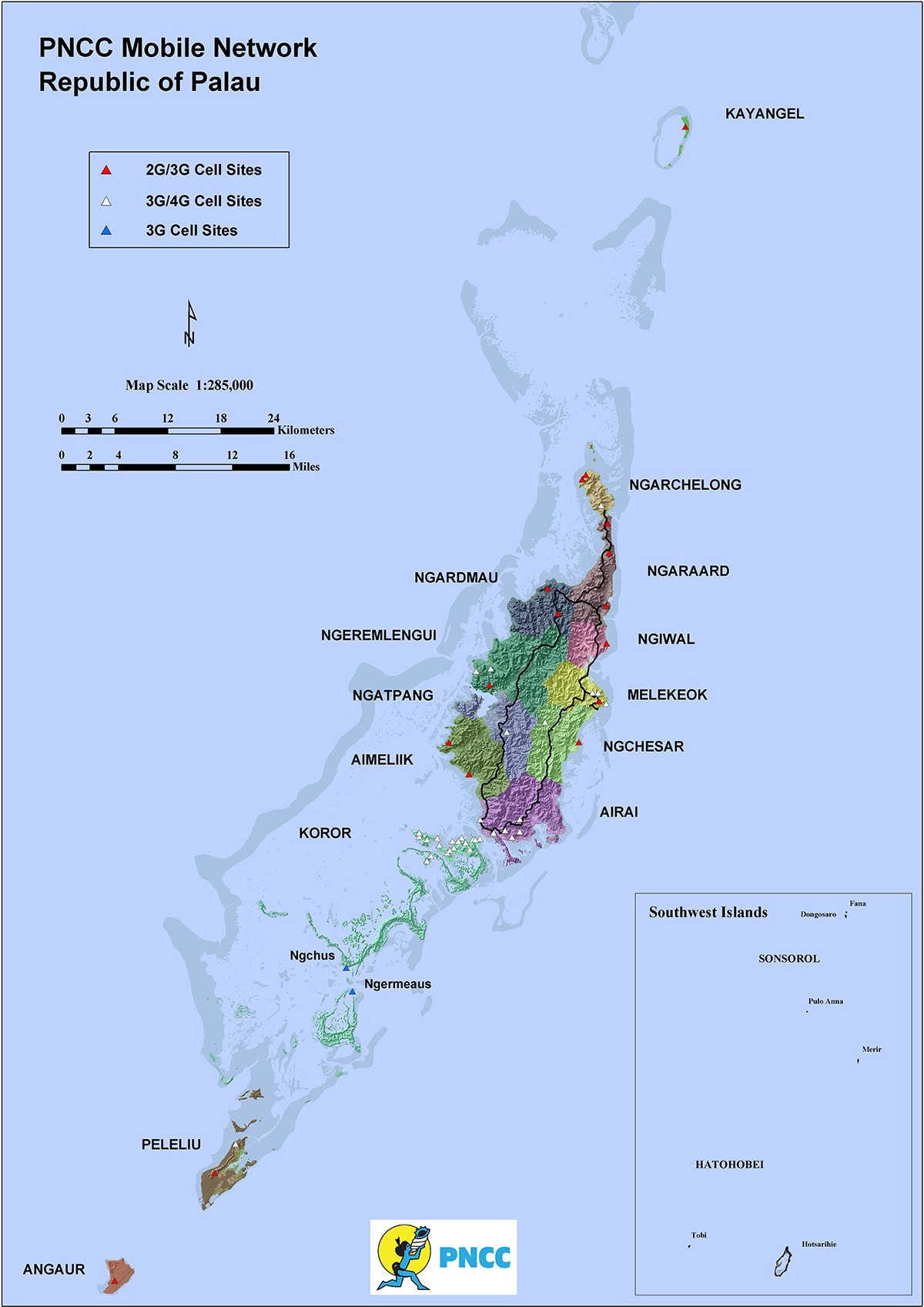
PalauCel provides extensive coverage across the islands, making it easy to stay connected wherever you go. The network supports both urban and remote areas, ensuring that communication is never compromised.

  • Urban areas enjoy robust connectivity.

  • Remote locations benefit from strategic network placements.

  • Tourist hotspots are well-serviced to meet traveler needs.

As a service backed by the Palau National Communications Corporation, PalauCel prioritizes reliability and stability. You can confidently explore the islands, knowing that you’re always just a call or a message away from your loved ones.

For more information on coverage areas and support, visit PNCC Mobile Support.

Affordable Plans for Travelers

PalauCel offers a variety of affordable plans tailored for travelers, ensuring that staying connected doesn’t break the bank. These plans are designed to suit different needs and durations, making them ideal for short visits or extended stays.

Travel plans include:

  • Daily packages for short trips.

  • Weekly options for extended stays.

  • Data bundles for internet-heavy users.

Choosing the right plan is easy with options that cater to different usage patterns. For a comprehensive overview, check out travel tips and plan options on Travel TomTom.

With PalauCel, you can enjoy uninterrupted connectivity and share your Palau experiences in real-time without worrying about high costs.

Experience Seamless Communication

PalauCel’s mobile network transforms communication into a seamless experience. With efficient data services and effortless connectivity, you can stay in touch with ease during your Palau adventure.

Efficient Mobile Data Services

Mobile data services by PalauCel are both fast and reliable, ensuring that you can access the internet whenever you need it. Whether you’re uploading photos or streaming content, the network supports high-speed data transfers.

  • High-speed internet for instant uploads.

  • Stable connections for video calls.

  • Wide bandwidth for streaming media.

With these services, you can conveniently navigate through maps, check travel guides, and stay updated on social media. For more details on data services, visit the Palau SIM card guide.

Connect with Loved Ones Effortlessly

PalauCel makes staying in touch with loved ones simple and stress-free. The mobile network’s seamless communication features allow for effortless connection through calls, texts, and social media.

  • Affordable international rates for calling home.

  • Easy access to popular messaging apps.

  • Reliable texting for quick updates.

These features ensure that no matter where your adventures take you, connecting with friends and family is always within reach. Whether you’re sharing stunning images of Palau’s landscapes or chatting about your day’s discoveries, PalauCel keeps you connected effortlessly.

In summary, PalauCel enhances your exploration of Palau by providing the connectivity and services needed to make your journey more enjoyable and memorable.


I would like to talk about property investment in indonesia

The Ultimate Guide to Property Investment in Indonesia: Opportunities & Risks

Property investment in Indonesia has garnered increasing attention from both local and international investors, thanks to its rapidly growing economy and strategic location in Southeast Asia. As one of the largest and most diverse archipelagos in the world, Indonesia presents a myriad of opportunities for those looking to diversify their portfolios. However, like any investment, it comes with its own set of challenges and risks. In this guide, we will delve into the various aspects of property investment in Indonesia, exploring both the lucrative opportunities and the potential pitfalls, to answer the crucial question: is Indonesia a safe investment?

Introduction to Property Investment in Indonesia

Overview of the Property Market

Indonesia’s property market is as dynamic as its economic landscape. The country has experienced significant urbanization, particularly in cities like Jakarta, Surabaya, and Bali. These urban centers have become hotspots for residential, commercial, and mixed-use developments. The growing middle class and an influx of expatriates have further fueled demand for quality housing and office spaces. Additionally, government initiatives aimed at improving infrastructure and easing foreign ownership regulations have made property investment in Indonesia more attractive. However, investors should remain aware of the market’s cyclical nature and regional disparities. While the potential for high returns exists, it is crucial to conduct thorough due diligence to navigate the complexities and mitigate risks. Understanding local market trends, legal frameworks, and economic indicators will be key to making informed investment decisions.
Economic Growth and Stability

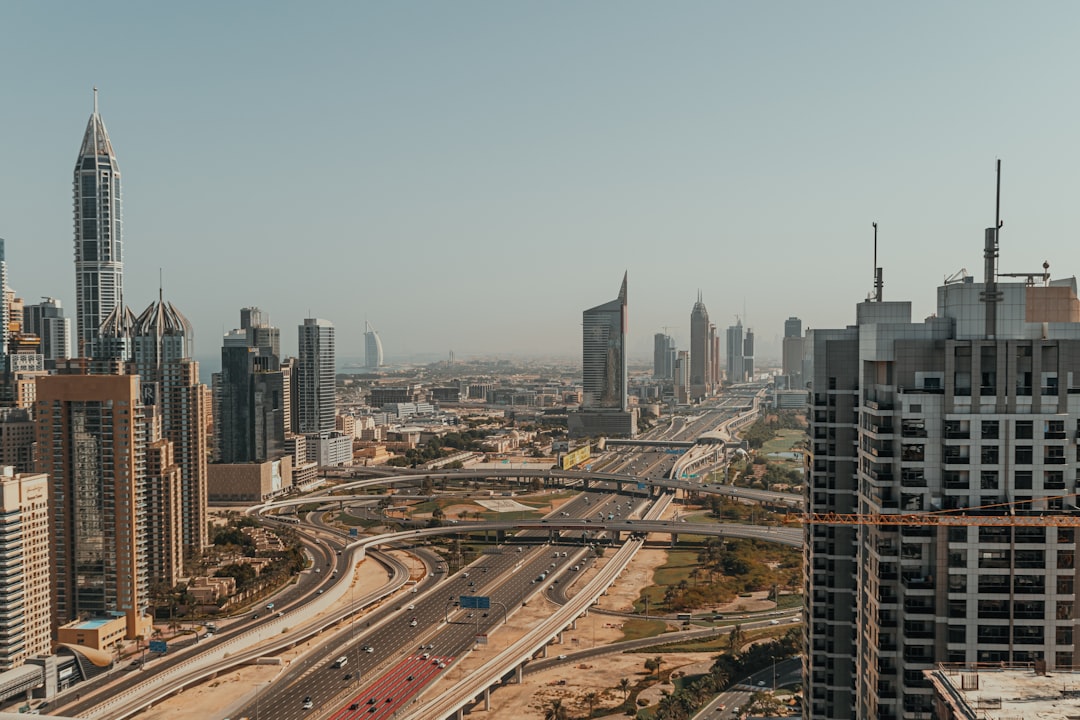
Indonesia’s robust economic growth has been a major driver behind the surge in property investment. With a GDP that has consistently grown over the past decade, Indonesia stands as Southeast Asia’s largest economy. The country’s young and growing population, coupled with increasing urbanization, fuels domestic consumption and demand for housing and commercial spaces. Economic stability has been bolstered by prudent fiscal policies and a diversified economy that ranges from agriculture to manufacturing and services. Additionally, government initiatives such as the National Medium-Term Development Plan aim to enhance infrastructure, further supporting economic expansion. Nevertheless, potential investors should remain aware of the risks associated with emerging markets, including currency fluctuations and regulatory changes. Understanding the broader economic context is essential for assessing whether Indonesia is a safe investment and for making informed property investment decisions.

Legal Framework for Investors

Understanding the legal framework is crucial for anyone considering property investment in Indonesia. Foreign investors face specific regulations that can impact their investment strategies. While Indonesian law allows foreign ownership of properties, it comes with certain restrictions. For instance, foreigners can own apartments under a strata title but are often limited to leasehold arrangements for landed properties. The government has introduced measures to simplify the process, such as the Omnibus Law, which aims to create a more business-friendly environment by reducing bureaucratic hurdles. However, navigating the legal landscape requires due diligence. Engaging local legal experts can provide clarity on property rights, zoning laws, and tax obligations. By comprehensively understanding these legal aspects, investors can better assess whether Indonesia is a safe investment and ensure compliance with local regulations, thereby safeguarding their investments.

Opportunities in the Indonesian Property Market

High-Growth Areas

Indonesia is home to several high-growth areas that present lucrative opportunities for property investors. Jakarta, the capital city, remains a prime location due to its status as the economic and political hub of the country. The real estate market in Jakarta is buoyed by a growing demand for residential and commercial properties. Beyond Jakarta, cities like Surabaya and Bandung are emerging as significant investment destinations thanks to rapid urbanization and infrastructure development. Bali continues to attract international investors and tourists, making it a hotspot for luxury villas and resorts. Additionally, secondary cities such as Makassar and Medan are gaining attention due to their economic potential and lower entry costs. Identifying and investing in these high-growth areas can yield substantial returns, provided investors conduct thorough market research and understand local dynamics to mitigate risks and capitalize on opportunities.

Types of Properties in Demand

The Indonesian property market features a variety of properties that are in high demand, catering to diverse investor interests. Residential properties, including apartments and landed houses, remain a top choice, driven by the growing middle class and urban migration. In cities like Jakarta and Surabaya, high-rise apartments are particularly popular due to space constraints and the appeal of modern amenities. Commercial properties, such as office spaces and retail units, are also in demand as businesses expand and new enterprises emerge. Additionally, the tourism boom has spurred interest in hospitality properties, including hotels and resorts, especially in tourist hotspots like Bali and Lombok. Mixed-use developments that combine residential, commercial, and retail spaces are gaining traction, offering integrated lifestyle solutions. Identifying the types of properties in demand helps investors target their investments effectively, optimizing returns while addressing market needs.

Benefits of Investing in Indonesia

Investing in Indonesia offers numerous benefits that attract both local and international property investors. One of the primary advantages is the country’s strong economic growth, which supports a robust property market. The growing middle class and increasing urbanization contribute to a steady demand for residential and commercial properties. Additionally, Indonesia’s strategic location in Southeast Asia makes it an appealing gateway for regional business and trade, enhancing the value of commercial real estate. Government initiatives, such as infrastructure development and regulatory reforms, further bolster the investment climate. For instance, the Omnibus Law aims to create a more business-friendly environment by simplifying processes and reducing bureaucratic hurdles. Moreover, the potential for high rental yields and capital appreciation in high-growth areas presents lucrative opportunities. By taking advantage of these benefits, investors can achieve substantial returns while contributing to Indonesia’s ongoing economic development.
Risks and Challenges

Regulatory and Bureaucratic Hurdles

Navigating regulatory and bureaucratic hurdles is one of the significant challenges faced by property investors in Indonesia. The legal and regulatory landscape can be complex, with various layers of local, regional, and national regulations that must be adhered to. Foreign investors, in particular, may find it challenging to understand and comply with these regulations, especially concerning property ownership and land use. While the Indonesian government has undertaken initiatives, such as the Omnibus Law, to streamline and simplify business operations, bureaucratic inefficiencies and inconsistencies can still pose obstacles. Issues like lengthy approval processes, unclear zoning laws, and varying interpretations of regulations can delay projects and increase costs. Engaging local legal and real estate experts is essential to mitigate these risks. By understanding and preparing for these regulatory and bureaucratic challenges, investors can better navigate the complexities and make informed decisions about their property investments in Indonesia.

Market Volatility and Economic Factors

Market volatility and economic factors are inherent risks in property investment in Indonesia. While the country has exhibited strong economic growth, it is not immune to fluctuations and uncertainties. Currency volatility, driven by external factors such as global economic conditions and commodity prices, can impact the value of property investments. Additionally, inflation rates and interest rates play a crucial role in determining the cost of borrowing and overall investment returns. Political stability is another critical factor; changes in government policies or leadership can lead to shifts in economic priorities, affecting the property market. Investors must also be mindful of potential market saturation in high-growth areas, which could lead to oversupply and reduced rental yields. Conducting thorough market research and staying updated on economic trends will help investors navigate these challenges and make more informed decisions about whether Indonesia is a safe investment.

Cultural and Language Barriers

Cultural and language barriers can present significant challenges for foreign investors in the Indonesian property market. Understanding local customs, business etiquette, and communication styles is essential for successful negotiations and partnerships. Indonesia is a diverse country with numerous ethnic groups and languages, though Bahasa Indonesia is the official language. Language barriers can complicate interactions with local authorities, contractors, and business partners, potentially leading to misunderstandings and delays. Moreover, cultural differences in business practices and decision-making processes can affect the efficiency and outcome of investment projects. Engaging local intermediaries, such as real estate agents, legal advisors, and consultants, can help bridge these gaps. Building strong relationships and fostering mutual respect with local stakeholders are crucial for overcoming cultural and language barriers. By doing so, investors can navigate the complexities more effectively and enhance their prospects for successful property investment in Indonesia.

Strategies for Successful Investment

Conducting Due Diligence

Conducting due diligence is a critical step for anyone considering property investment in Indonesia. Thorough research and careful analysis can help investors identify potential risks and opportunities, ensuring informed decision-making. Start by examining the legal status of the property, including ownership rights, zoning laws, and any existing liens or encumbrances. It’s also essential to evaluate the financial aspects, such as market value, rental yields, and potential for capital appreciation. Engaging local experts, such as real estate agents, legal advisors, and financial consultants, can provide valuable insights and help navigate the complexities of the Indonesian market. Additionally, visiting the property and its surrounding area can offer a firsthand understanding of the location, infrastructure, and local amenities. By meticulously conducting due diligence, investors can minimize risks, avoid potential pitfalls, and enhance their chances of a successful property investment in Indonesia.

Engaging Local Experts

Engaging local experts is a key strategy for ensuring successful property investment in Indonesia. Local professionals have a deeper understanding of the market dynamics, legal requirements, and cultural nuances that can significantly impact investment outcomes. Real estate agents can provide valuable insights into market trends, property values, and high-growth areas, helping investors make informed decisions. Legal advisors are essential for navigating the complex regulatory landscape, ensuring compliance with local laws, and safeguarding property rights. Financial consultants can assist with evaluating the financial viability of investments, including assessing potential returns and managing risks. Additionally, local contractors and property managers can offer practical advice on construction standards, maintenance, and tenant management. By leveraging the expertise of local professionals, investors can mitigate risks, streamline processes, and enhance their chances of achieving successful and profitable property investments in Indonesia.

Diversifying Investment Portfolio

Diversifying your investment portfolio is a prudent strategy to mitigate risks and enhance returns in the Indonesian property market. By spreading investments across different property types and locations, investors can reduce exposure to market fluctuations and economic uncertainties. For instance, combining residential and commercial properties can balance the portfolio, as these sectors may respond differently to economic changes. Investing in various regionssuch as urban centers like Jakarta and emerging cities like Surabaya or tourist hotspots like Balican also provide a buffer against regional market volatility. Additionally, considering different investment vehicles, such as direct property purchases, Real Estate Investment Trusts (REITs), or property development projects, can further diversify risk. Diversification helps in capitalizing on multiple growth opportunities while cushioning against potential downturns in any single market segment. By adopting a diversified investment approach, investors can build a resilient portfolio that maximizes returns and minimizes risks.

Is Indonesia a Safe Investment?

Comparing Indonesia to Other Markets

When comparing Indonesia to other property markets, several factors highlight its unique investment landscape. Indonesia’s rapid economic growth and urbanization present significant opportunities compared to more mature markets like Singapore or Hong Kong, where property prices are already high, and growth potential may be limited. However, Indonesia’s emerging market status also comes with higher risks, such as regulatory uncertainties and market volatility, which are less pronounced in more stable, developed markets. The cost of entry in Indonesia is relatively lower, making it attractive for investors seeking high returns with moderate capital. In contrast, markets like Australia or Japan offer more predictable returns but require substantial initial investments. Additionally, Indonesia’s strategic location in Southeast Asia enhances its appeal as a regional business hub. By weighing these factors, investors can determine whether Indonesia aligns with their risk tolerance and investment objectives, thereby assessing if Indonesia is a safe investment compared to other global markets.

Long-Term Prospects

The long-term prospects for property investment in Indonesia are promising, driven by several positive indicators. The country’s young and growing population ensures sustained demand for residential properties. Additionally, ongoing urbanization and infrastructure development projects, such as new highways, airports, and public transportation systems, are set to enhance connectivity and boost real estate values. Government policies aimed at creating a more business-friendly environment, including regulatory reforms and incentives for foreign investors, further strengthen Indonesia’s investment appeal. The rise of the middle class and increasing disposable income also contribute to a growing market for commercial and retail properties. While short-term uncertainties exist, the long-term fundamentals suggest robust growth potential. Investors willing to adopt a long-term perspective and navigate the initial challenges can capitalize on Indonesia’s evolving property market, making it a potentially safe and rewarding investment destination.

Risk Mitigation Strategies

Implementing risk mitigation strategies is crucial for safeguarding property investments in Indonesia. First, thorough due diligence is essential; verify the legal status, market value, and potential returns of the property. Engaging local experts, such as legal advisors and real estate agents, can provide valuable insights and help navigate regulatory complexities. Diversifying your investment portfolio across different property types and locations can spread risk and reduce exposure to market volatility. Additionally, staying informed about economic trends and government policies can help anticipate and respond to changes that may impact the market. Investing in properties within high-growth areas with strong infrastructure development can also offer a buffer against economic downturns. Finally, considering insurance options to protect against natural disasters and unforeseen events can further mitigate risks. By adopting these strategies, investors can enhance their chances of achieving safe and profitable property investments in Indonesia.




I would like to talk about property investment in indonesia

The Ultimate Guide to Property Investment in Indonesia: Opportunities & Risks

Property investment in Indonesia has garnered increasing attention from both local and international investors, thanks to its rapidly growing economy and strategic location in Southeast Asia. As one of the largest and most diverse archipelagos in the world, Indonesia presents a myriad of opportunities for those looking to diversify their portfolios. However, like any investment, it comes with its own set of challenges and risks. In this guide, we will delve into the various aspects of property investment in Indonesia, exploring both the lucrative opportunities and the potential pitfalls, to answer the crucial question: is Indonesia a safe investment?

Introduction to Property Investment in Indonesia

Overview of the Property Market

Indonesia’s property market is as dynamic as its economic landscape. The country has experienced significant urbanization, particularly in cities like Jakarta, Surabaya, and Bali. These urban centers have become hotspots for residential, commercial, and mixed-use developments. The growing middle class and an influx of expatriates have further fueled demand for quality housing and office spaces. Additionally, government initiatives aimed at improving infrastructure and easing foreign ownership regulations have made property investment in Indonesia more attractive. However, investors should remain aware of the market’s cyclical nature and regional disparities. While the potential for high returns exists, it is crucial to conduct thorough due diligence to navigate the complexities and mitigate risks. Understanding local market trends, legal frameworks, and economic indicators will be key to making informed investment decisions.

Economic Growth and Stability

Indonesia’s robust economic growth has been a major driver behind the surge in property investment. With a GDP that has consistently grown over the past decade, Indonesia stands as Southeast Asia’s largest economy. The country’s young and growing population, coupled with increasing urbanization, fuels domestic consumption and demand for housing and commercial spaces. Economic stability has been bolstered by prudent fiscal policies and a diversified economy that ranges from agriculture to manufacturing and services. Additionally, government initiatives such as the National Medium-Term Development Plan aim to enhance infrastructure, further supporting economic expansion. Nevertheless, potential investors should remain aware of the risks associated with emerging markets, including currency fluctuations and regulatory changes. Understanding the broader economic context is essential for assessing whether Indonesia is a safe investment and for making informed property investment decisions.

Legal Framework for Investors

Understanding the legal framework is crucial for anyone considering property investment in Indonesia. Foreign investors face specific regulations that can impact their investment strategies. While Indonesian law allows foreign ownership of properties, it comes with certain restrictions. For instance, foreigners can own apartments under a strata title but are often limited to leasehold arrangements for landed properties. The government has introduced measures to simplify the process, such as the Omnibus Law, which aims to create a more business-friendly environment by reducing bureaucratic hurdles. However, navigating the legal landscape requires due diligence. Engaging local legal experts can provide clarity on property rights, zoning laws, and tax obligations. By comprehensively understanding these legal aspects, investors can better assess whether Indonesia is a safe investment and ensure compliance with local regulations, thereby safeguarding their investments.

Opportunities in the Indonesian Property Market

High-Growth Areas

Indonesia is home to several high-growth areas that present lucrative opportunities for property investors. Jakarta, the capital city, remains a prime location due to its status as the economic and political hub of the country. The real estate market in Jakarta is buoyed by a growing demand for residential and commercial properties. Beyond Jakarta, cities like Surabaya and Bandung are emerging as significant investment destinations thanks to rapid urbanization and infrastructure development. Bali continues to attract international investors and tourists, making it a hotspot for luxury villas and resorts. Additionally, secondary cities such as Makassar and Medan are gaining attention due to their economic potential and lower entry costs. Identifying and investing in these high-growth areas can yield substantial returns, provided investors conduct thorough market research and understand local dynamics to mitigate risks and capitalize on opportunities.

Types of Properties in Demand

The Indonesian property market features a variety of properties that are in high demand, catering to diverse investor interests. Residential properties, including apartments and landed houses, remain a top choice, driven by the growing middle class and urban migration. In cities like Jakarta and Surabaya, high-rise apartments are particularly popular due to space constraints and the appeal of modern amenities. Commercial properties, such as office spaces and retail units, are also in demand as businesses expand and new enterprises emerge. Additionally, the tourism boom has spurred interest in hospitality properties, including hotels and resorts, especially in tourist hotspots like Bali and Lombok. Mixed-use developments that combine residential, commercial, and retail spaces are gaining traction, offering integrated lifestyle solutions. Identifying the types of properties in demand helps investors target their investments effectively, optimizing returns while addressing market needs.

Benefits of Investing in Indonesia

Investing in Indonesia offers numerous benefits that attract both local and international property investors. One of the primary advantages is the country’s strong economic growth, which supports a robust property market. The growing middle class and increasing urbanization contribute to a steady demand for residential and commercial properties. Additionally, Indonesia’s strategic location in Southeast Asia makes it an appealing gateway for regional business and trade, enhancing the value of commercial real estate. Government initiatives, such as infrastructure development and regulatory reforms, further bolster the investment climate. For instance, the Omnibus Law aims to create a more business-friendly environment by simplifying processes and reducing bureaucratic hurdles. Moreover, the potential for high rental yields and capital appreciation in high-growth areas presents lucrative opportunities. By taking advantage of these benefits, investors can achieve substantial returns while contributing to Indonesia’s ongoing economic development.

Risks and Challenges

Regulatory and Bureaucratic Hurdles

Navigating regulatory and bureaucratic hurdles is one of the significant challenges faced by property investors in Indonesia. The legal and regulatory landscape can be complex, with various layers of local, regional, and national regulations that must be adhered to. Foreign investors, in particular, may find it challenging to understand and comply with these regulations, especially concerning property ownership and land use. While the Indonesian government has undertaken initiatives, such as the Omnibus Law, to streamline and simplify business operations, bureaucratic inefficiencies and inconsistencies can still pose obstacles. Issues like lengthy approval processes, unclear zoning laws, and varying interpretations of regulations can delay projects and increase costs. Engaging local legal and real estate experts is essential to mitigate these risks. By understanding and preparing for these regulatory and bureaucratic challenges, investors can better navigate the complexities and make informed decisions about their property investments in Indonesia.

Market Volatility and Economic Factors

Market volatility and economic factors are inherent risks in property investment in Indonesia. While the country has exhibited strong economic growth, it is not immune to fluctuations and uncertainties. Currency volatility, driven by external factors such as global economic conditions and commodity prices, can impact the value of property investments. Additionally, inflation rates and interest rates play a crucial role in determining the cost of borrowing and overall investment returns. Political stability is another critical factor; changes in government policies or leadership can lead to shifts in economic priorities, affecting the property market. Investors must also be mindful of potential market saturation in high-growth areas, which could lead to oversupply and reduced rental yields. Conducting thorough market research and staying updated on economic trends will help investors navigate these challenges and make more informed decisions about whether Indonesia is a safe investment.

Cultural and Language Barriers

Cultural and language barriers can present significant challenges for foreign investors in the Indonesian property market. Understanding local customs, business etiquette, and communication styles is essential for successful negotiations and partnerships. Indonesia is a diverse country with numerous ethnic groups and languages, though Bahasa Indonesia is the official language. Language barriers can complicate interactions with local authorities, contractors, and business partners, potentially leading to misunderstandings and delays. Moreover, cultural differences in business practices and decision-making processes can affect the efficiency and outcome of investment projects. Engaging local intermediaries, such as real estate agents, legal advisors, and consultants, can help bridge these gaps. Building strong relationships and fostering mutual respect with local stakeholders are crucial for overcoming cultural and language barriers. By doing so, investors can navigate the complexities more effectively and enhance their prospects for successful property investment in Indonesia.

Strategies for Successful Investment

Conducting Due Diligence

Conducting due diligence is a critical step for anyone considering property investment in Indonesia. Thorough research and careful analysis can help investors identify potential risks and opportunities, ensuring informed decision-making. Start by examining the legal status of the property, including ownership rights, zoning laws, and any existing liens or encumbrances. It’s also essential to evaluate the financial aspects, such as market value, rental yields, and potential for capital appreciation. Engaging local experts, such as real estate agents, legal advisors, and financial consultants, can provide valuable insights and help navigate the complexities of the Indonesian market. Additionally, visiting the property and its surrounding area can offer a firsthand understanding of the location, infrastructure, and local amenities. By meticulously conducting due diligence, investors can minimize risks, avoid potential pitfalls, and enhance their chances of a successful property investment in Indonesia.

Engaging Local Experts

Engaging local experts is a key strategy for ensuring successful property investment in Indonesia. Local professionals have a deeper understanding of the market dynamics, legal requirements, and cultural nuances that can significantly impact investment outcomes. Real estate agents can provide valuable insights into market trends, property values, and high-growth areas, helping investors make informed decisions. Legal advisors are essential for navigating the complex regulatory landscape, ensuring compliance with local laws, and safeguarding property rights. Financial consultants can assist with evaluating the financial viability of investments, including assessing potential returns and managing risks. Additionally, local contractors and property managers can offer practical advice on construction standards, maintenance, and tenant management. By leveraging the expertise of local professionals, investors can mitigate risks, streamline processes, and enhance their chances of achieving successful and profitable property investments in Indonesia.

Diversifying Investment Portfolio

Diversifying your investment portfolio is a prudent strategy to mitigate risks and enhance returns in the Indonesian property market. By spreading investments across different property types and locations, investors can reduce exposure to market fluctuations and economic uncertainties. For instance, combining residential and commercial properties can balance the portfolio, as these sectors may respond differently to economic changes. Investing in various regionssuch as urban centers like Jakarta and emerging cities like Surabaya or tourist hotspots like Balican also provide a buffer against regional market volatility. Additionally, considering different investment vehicles, such as direct property purchases, Real Estate Investment Trusts (REITs), or property development projects, can further diversify risk. Diversification helps in capitalizing on multiple growth opportunities while cushioning against potential downturns in any single market segment. By adopting a diversified investment approach, investors can build a resilient portfolio that maximizes returns and minimizes risks.

Is Indonesia a Safe Investment?

Comparing Indonesia to Other Markets

When comparing Indonesia to other property markets, several factors highlight its unique investment landscape. Indonesia’s rapid economic growth and urbanization present significant opportunities compared to more mature markets like Singapore or Hong Kong, where property prices are already high, and growth potential may be limited. However, Indonesia’s emerging market status also comes with higher risks, such as regulatory uncertainties and market volatility, which are less pronounced in more stable, developed markets. The cost of entry in Indonesia is relatively lower, making it attractive for investors seeking high returns with moderate capital. In contrast, markets like Australia or Japan offer more predictable returns but require substantial initial investments. Additionally, Indonesia’s strategic location in Southeast Asia enhances its appeal as a regional business hub. By weighing these factors, investors can determine whether Indonesia aligns with their risk tolerance and investment objectives, thereby assessing if Indonesia is a safe investment compared to other global markets.

Long-Term Prospects

The long-term prospects for property investment in Indonesia are promising, driven by several positive indicators. The country’s young and growing population ensures sustained demand for residential properties. Additionally, ongoing urbanization and infrastructure development projects, such as new highways, airports, and public transportation systems, are set to enhance connectivity and boost real estate values. Government policies aimed at creating a more business-friendly environment, including regulatory reforms and incentives for foreign investors, further strengthen Indonesia’s investment appeal. The rise of the middle class and increasing disposable income also contribute to a growing market for commercial and retail properties. While short-term uncertainties exist, the long-term fundamentals suggest robust growth potential. Investors willing to adopt a long-term perspective and navigate the initial challenges can capitalize on Indonesia’s evolving property market, making it a potentially safe and rewarding investment destination.

Risk Mitigation Strategies

Implementing risk mitigation strategies is crucial for safeguarding property investments in Indonesia. First, thorough due diligence is essential; verify the legal status, market value, and potential returns of the property. Engaging local experts, such as legal advisors and real estate agents, can provide valuable insights and help navigate regulatory complexities. Diversifying your investment portfolio across different property types and locations can spread risk and reduce exposure to market volatility. Additionally, staying informed about economic trends and government policies can help anticipate and respond to changes that may impact the market. Investing in properties within high-growth areas with strong infrastructure development can also offer a buffer against economic downturns. Finally, considering insurance options to protect against natural disasters and unforeseen events can further mitigate risks. By adopting these strategies, investors can enhance their chances of achieving safe and profitable property investments in Indonesia.


I would like to talk about property investment in indonesia

The Ultimate Guide to Property Investment in Indonesia: Opportunities & Risks

Property investment in Indonesia has garnered increasing attention from both local and international investors, thanks to its rapidly growing economy and strategic location in Southeast Asia. As one of the largest and most diverse archipelagos in the world, Indonesia presents a myriad of opportunities for those looking to diversify their portfolios. However, like any investment, it comes with its own set of challenges and risks. In this guide, we will delve into the various aspects of property investment in Indonesia, exploring both the lucrative opportunities and the potential pitfalls, to answer the crucial question: is Indonesia a safe investment?

Introduction to Property Investment in Indonesia

Overview of the Property Market

Indonesia’s property market is as dynamic as its economic landscape. The country has experienced significant urbanization, particularly in cities like Jakarta, Surabaya, and Bali. These urban centers have become hotspots for residential, commercial, and mixed-use developments. The growing middle class and an influx of expatriates have further fueled demand for quality housing and office spaces. Additionally, government initiatives aimed at improving infrastructure and easing foreign ownership regulations have made property investment in Indonesia more attractive. However, investors should remain aware of the market’s cyclical nature and regional disparities. While the potential for high returns exists, it is crucial to conduct thorough due diligence to navigate the complexities and mitigate risks. Understanding local market trends, legal frameworks, and economic indicators will be key to making informed investment decisions.

Economic Growth and Stability

Indonesia’s robust economic growth has been a major driver behind the surge in property investment. With a GDP that has consistently grown over the past decade, Indonesia stands as Southeast Asia’s largest economy. The country’s young and growing population, coupled with increasing urbanization, fuels domestic consumption and demand for housing and commercial spaces. Economic stability has been bolstered by prudent fiscal policies and a diversified economy that ranges from agriculture to manufacturing and services. Additionally, government initiatives such as the National Medium-Term Development Plan aim to enhance infrastructure, further supporting economic expansion. Nevertheless, potential investors should remain aware of the risks associated with emerging markets, including currency fluctuations and regulatory changes. Understanding the broader economic context is essential for assessing whether Indonesia is a safe investment and for making informed property investment decisions.

Legal Framework for Investors

Understanding the legal framework is crucial for anyone considering property investment in Indonesia. Foreign investors face specific regulations that can impact their investment strategies. While Indonesian law allows foreign ownership of properties, it comes with certain restrictions. For instance, foreigners can own apartments under a strata title but are often limited to leasehold arrangements for landed properties. The government has introduced measures to simplify the process, such as the Omnibus Law, which aims to create a more business-friendly environment by reducing bureaucratic hurdles. However, navigating the legal landscape requires due diligence. Engaging local legal experts can provide clarity on property rights, zoning laws, and tax obligations. By comprehensively understanding these legal aspects, investors can better assess whether Indonesia is a safe investment and ensure compliance with local regulations, thereby safeguarding their investments.

Opportunities in the Indonesian Property Market

High-Growth Areas

Indonesia is home to several high-growth areas that present lucrative opportunities for property investors. Jakarta, the capital city, remains a prime location due to its status as the economic and political hub of the country. The real estate market in Jakarta is buoyed by a growing demand for residential and commercial properties. Beyond Jakarta, cities like Surabaya and Bandung are emerging as significant investment destinations thanks to rapid urbanization and infrastructure development. Bali continues to attract international investors and tourists, making it a hotspot for luxury villas and resorts. Additionally, secondary cities such as Makassar and Medan are gaining attention due to their economic potential and lower entry costs. Identifying and investing in these high-growth areas can yield substantial returns, provided investors conduct thorough market research and understand local dynamics to mitigate risks and capitalize on opportunities.

Types of Properties in Demand

The Indonesian property market features a variety of properties that are in high demand, catering to diverse investor interests. Residential properties, including apartments and landed houses, remain a top choice, driven by the growing middle class and urban migration. In cities like Jakarta and Surabaya, high-rise apartments are particularly popular due to space constraints and the appeal of modern amenities. Commercial properties, such as office spaces and retail units, are also in demand as businesses expand and new enterprises emerge. Additionally, the tourism boom has spurred interest in hospitality properties, including hotels and resorts, especially in tourist hotspots like Bali and Lombok. Mixed-use developments that combine residential, commercial, and retail spaces are gaining traction, offering integrated lifestyle solutions. Identifying the types of properties in demand helps investors target their investments effectively, optimizing returns while addressing market needs.

Benefits of Investing in Indonesia

Investing in Indonesia offers numerous benefits that attract both local and international property investors. One of the primary advantages is the country’s strong economic growth, which supports a robust property market. The growing middle class and increasing urbanization contribute to a steady demand for residential and commercial properties. Additionally, Indonesia’s strategic location in Southeast Asia makes it an appealing gateway for regional business and trade, enhancing the value of commercial real estate. Government initiatives, such as infrastructure development and regulatory reforms, further bolster the investment climate. For instance, the Omnibus Law aims to create a more business-friendly environment by simplifying processes and reducing bureaucratic hurdles. Moreover, the potential for high rental yields and capital appreciation in high-growth areas presents lucrative opportunities. By taking advantage of these benefits, investors can achieve substantial returns while contributing to Indonesia’s ongoing economic development.

Risks and Challenges

Regulatory and Bureaucratic Hurdles

Navigating regulatory and bureaucratic hurdles is one of the significant challenges faced by property investors in Indonesia. The legal and regulatory landscape can be complex, with various layers of local, regional, and national regulations that must be adhered to. Foreign investors, in particular, may find it challenging to understand and comply with these regulations, especially concerning property ownership and land use. While the Indonesian government has undertaken initiatives, such as the Omnibus Law, to streamline and simplify business operations, bureaucratic inefficiencies and inconsistencies can still pose obstacles. Issues like lengthy approval processes, unclear zoning laws, and varying interpretations of regulations can delay projects and increase costs. Engaging local legal and real estate experts is essential to mitigate these risks. By understanding and preparing for these regulatory and bureaucratic challenges, investors can better navigate the complexities and make informed decisions about their property investments in Indonesia.

Market Volatility and Economic Factors

Market volatility and economic factors are inherent risks in property investment in Indonesia. While the country has exhibited strong economic growth, it is not immune to fluctuations and uncertainties. Currency volatility, driven by external factors such as global economic conditions and commodity prices, can impact the value of property investments. Additionally, inflation rates and interest rates play a crucial role in determining the cost of borrowing and overall investment returns. Political stability is another critical factor; changes in government policies or leadership can lead to shifts in economic priorities, affecting the property market. Investors must also be mindful of potential market saturation in high-growth areas, which could lead to oversupply and reduced rental yields. Conducting thorough market research and staying updated on economic trends will help investors navigate these challenges and make more informed decisions about whether Indonesia is a safe investment.

Cultural and Language Barriers

Cultural and language barriers can present significant challenges for foreign investors in the Indonesian property market. Understanding local customs, business etiquette, and communication styles is essential for successful negotiations and partnerships. Indonesia is a diverse country with numerous ethnic groups and languages, though Bahasa Indonesia is the official language. Language barriers can complicate interactions with local authorities, contractors, and business partners, potentially leading to misunderstandings and delays. Moreover, cultural differences in business practices and decision-making processes can affect the efficiency and outcome of investment projects. Engaging local intermediaries, such as real estate agents, legal advisors, and consultants, can help bridge these gaps. Building strong relationships and fostering mutual respect with local stakeholders are crucial for overcoming cultural and language barriers. By doing so, investors can navigate the complexities more effectively and enhance their prospects for successful property investment in Indonesia.

Strategies for Successful Investment

Conducting Due Diligence

Conducting due diligence is a critical step for anyone considering property investment in Indonesia. Thorough research and careful analysis can help investors identify potential risks and opportunities, ensuring informed decision-making. Start by examining the legal status of the property, including ownership rights, zoning laws, and any existing liens or encumbrances. It’s also essential to evaluate the financial aspects, such as market value, rental yields, and potential for capital appreciation. Engaging local experts, such as real estate agents, legal advisors, and financial consultants, can provide valuable insights and help navigate the complexities of the Indonesian market. Additionally, visiting the property and its surrounding area can offer a firsthand understanding of the location, infrastructure, and local amenities. By meticulously conducting due diligence, investors can minimize risks, avoid potential pitfalls, and enhance their chances of a successful property investment in Indonesia.

Engaging Local Experts

Engaging local experts is a key strategy for ensuring successful property investment in Indonesia. Local professionals have a deeper understanding of the market dynamics, legal requirements, and cultural nuances that can significantly impact investment outcomes. Real estate agents can provide valuable insights into market trends, property values, and high-growth areas, helping investors make informed decisions. Legal advisors are essential for navigating the complex regulatory landscape, ensuring compliance with local laws, and safeguarding property rights. Financial consultants can assist with evaluating the financial viability of investments, including assessing potential returns and managing risks. Additionally, local contractors and property managers can offer practical advice on construction standards, maintenance, and tenant management. By leveraging the expertise of local professionals, investors can mitigate risks, streamline processes, and enhance their chances of achieving successful and profitable property investments in Indonesia.

Diversifying Investment Portfolio

Diversifying your investment portfolio is a prudent strategy to mitigate risks and enhance returns in the Indonesian property market. By spreading investments across different property types and locations, investors can reduce exposure to market fluctuations and economic uncertainties. For instance, combining residential and commercial properties can balance the portfolio, as these sectors may respond differently to economic changes. Investing in various regionssuch as urban centers like Jakarta and emerging cities like Surabaya or tourist hotspots like Balican also provide a buffer against regional market volatility. Additionally, considering different investment vehicles, such as direct property purchases, Real Estate Investment Trusts (REITs), or property development projects, can further diversify risk. Diversification helps in capitalizing on multiple growth opportunities while cushioning against potential downturns in any single market segment. By adopting a diversified investment approach, investors can build a resilient portfolio that maximizes returns and minimizes risks.

Is Indonesia a Safe Investment?

Comparing Indonesia to Other Markets

When comparing Indonesia to other property markets, several factors highlight its unique investment landscape. Indonesia’s rapid economic growth and urbanization present significant opportunities compared to more mature markets like Singapore or Hong Kong, where property prices are already high, and growth potential may be limited. However, Indonesia’s emerging market status also comes with higher risks, such as regulatory uncertainties and market volatility, which are less pronounced in more stable, developed markets. The cost of entry in Indonesia is relatively lower, making it attractive for investors seeking high returns with moderate capital. In contrast, markets like Australia or Japan offer more predictable returns but require substantial initial investments. Additionally, Indonesia’s strategic location in Southeast Asia enhances its appeal as a regional business hub. By weighing these factors, investors can determine whether Indonesia aligns with their risk tolerance and investment objectives, thereby assessing if Indonesia is a safe investment compared to other global markets.

Long-Term Prospects

The long-term prospects for property investment in Indonesia are promising, driven by several positive indicators. The country’s young and growing population ensures sustained demand for residential properties. Additionally, ongoing urbanization and infrastructure development projects, such as new highways, airports, and public transportation systems, are set to enhance connectivity and boost real estate values. Government policies aimed at creating a more business-friendly environment, including regulatory reforms and incentives for foreign investors, further strengthen Indonesia’s investment appeal. The rise of the middle class and increasing disposable income also contribute to a growing market for commercial and retail properties. While short-term uncertainties exist, the long-term fundamentals suggest robust growth potential. Investors willing to adopt a long-term perspective and navigate the initial challenges can capitalize on Indonesia’s evolving property market, making it a potentially safe and rewarding investment destination.

Risk Mitigation Strategies

Implementing risk mitigation strategies is crucial for safeguarding property investments in Indonesia. First, thorough due diligence is essential; verify the legal status, market value, and potential returns of the property. Engaging local experts, such as legal advisors and real estate agents, can provide valuable insights and help navigate regulatory complexities. Diversifying your investment portfolio across different property types and locations can spread risk and reduce exposure to market volatility. Additionally, staying informed about economic trends and government policies can help anticipate and respond to changes that may impact the market. Investing in properties within high-growth areas with strong infrastructure development can also offer a buffer against economic downturns. Finally, considering insurance options to protect against natural disasters and unforeseen events can further mitigate risks. By adopting these strategies, investors can enhance their chances of achieving safe and profitable property investments in Indonesia.


I would like to talk about property investment in indonesia

The Ultimate Guide to Property Investment in Indonesia: Opportunities & Risks

Property investment in Indonesia has garnered increasing attention from both local and international investors, thanks to its rapidly growing economy and strategic location in Southeast Asia. As one of the largest and most diverse archipelagos in the world, Indonesia presents a myriad of opportunities for those looking to diversify their portfolios. However, like any investment, it comes with its own set of challenges and risks. In this guide, we will delve into the various aspects of property investment in Indonesia, exploring both the lucrative opportunities and the potential pitfalls, to answer the crucial question: is Indonesia a safe investment?

Introduction to Property Investment in Indonesia

Overview of the Property Market

Indonesia’s property market is as dynamic as its economic landscape. The country has experienced significant urbanization, particularly in cities like Jakarta, Surabaya, and Bali. These urban centers have become hotspots for residential, commercial, and mixed-use developments. The growing middle class and an influx of expatriates have further fueled demand for quality housing and office spaces. Additionally, government initiatives aimed at improving infrastructure and easing foreign ownership regulations have made property investment in Indonesia more attractive. However, investors should remain aware of the market’s cyclical nature and regional disparities. While the potential for high returns exists, it is crucial to conduct thorough due diligence to navigate the complexities and mitigate risks. Understanding local market trends, legal frameworks, and economic indicators will be key to making informed investment decisions.

Economic Growth and Stability

Indonesia’s robust economic growth has been a major driver behind the surge in property investment. With a GDP that has consistently grown over the past decade, Indonesia stands as Southeast Asia’s largest economy. The country’s young and growing population, coupled with increasing urbanization, fuels domestic consumption and demand for housing and commercial spaces. Economic stability has been bolstered by prudent fiscal policies and a diversified economy that ranges from agriculture to manufacturing and services. Additionally, government initiatives such as the National Medium-Term Development Plan aim to enhance infrastructure, further supporting economic expansion. Nevertheless, potential investors should remain aware of the risks associated with emerging markets, including currency fluctuations and regulatory changes. Understanding the broader economic context is essential for assessing whether Indonesia is a safe investment and for making informed property investment decisions.

Legal Framework for Investors

Understanding the legal framework is crucial for anyone considering property investment in Indonesia. Foreign investors face specific regulations that can impact their investment strategies. While Indonesian law allows foreign ownership of properties, it comes with certain restrictions. For instance, foreigners can own apartments under a strata title but are often limited to leasehold arrangements for landed properties. The government has introduced measures to simplify the process, such as the Omnibus Law, which aims to create a more business-friendly environment by reducing bureaucratic hurdles. However, navigating the legal landscape requires due diligence. Engaging local legal experts can provide clarity on property rights, zoning laws, and tax obligations. By comprehensively understanding these legal aspects, investors can better assess whether Indonesia is a safe investment and ensure compliance with local regulations, thereby safeguarding their investments.

Opportunities in the Indonesian Property Market

High-Growth Areas

Indonesia is home to several high-growth areas that present lucrative opportunities for property investors. Jakarta, the capital city, remains a prime location due to its status as the economic and political hub of the country. The real estate market in Jakarta is buoyed by a growing demand for residential and commercial properties. Beyond Jakarta, cities like Surabaya and Bandung are emerging as significant investment destinations thanks to rapid urbanization and infrastructure development. Bali continues to attract international investors and tourists, making it a hotspot for luxury villas and resorts. Additionally, secondary cities such as Makassar and Medan are gaining attention due to their economic potential and lower entry costs. Identifying and investing in these high-growth areas can yield substantial returns, provided investors conduct thorough market research and understand local dynamics to mitigate risks and capitalize on opportunities.

Types of Properties in Demand

The Indonesian property market features a variety of properties that are in high demand, catering to diverse investor interests. Residential properties, including apartments and landed houses, remain a top choice, driven by the growing middle class and urban migration. In cities like Jakarta and Surabaya, high-rise apartments are particularly popular due to space constraints and the appeal of modern amenities. Commercial properties, such as office spaces and retail units, are also in demand as businesses expand and new enterprises emerge. Additionally, the tourism boom has spurred interest in hospitality properties, including hotels and resorts, especially in tourist hotspots like Bali and Lombok. Mixed-use developments that combine residential, commercial, and retail spaces are gaining traction, offering integrated lifestyle solutions. Identifying the types of properties in demand helps investors target their investments effectively, optimizing returns while addressing market needs.

Benefits of Investing in Indonesia

Investing in Indonesia offers numerous benefits that attract both local and international property investors. One of the primary advantages is the country’s strong economic growth, which supports a robust property market. The growing middle class and increasing urbanization contribute to a steady demand for residential and commercial properties. Additionally, Indonesia’s strategic location in Southeast Asia makes it an appealing gateway for regional business and trade, enhancing the value of commercial real estate. Government initiatives, such as infrastructure development and regulatory reforms, further bolster the investment climate. For instance, the Omnibus Law aims to create a more business-friendly environment by simplifying processes and reducing bureaucratic hurdles. Moreover, the potential for high rental yields and capital appreciation in high-growth areas presents lucrative opportunities. By taking advantage of these benefits, investors can achieve substantial returns while contributing to Indonesia’s ongoing economic development.

Risks and Challenges

Regulatory and Bureaucratic Hurdles

Navigating regulatory and bureaucratic hurdles is one of the significant challenges faced by property investors in Indonesia. The legal and regulatory landscape can be complex, with various layers of local, regional, and national regulations that must be adhered to. Foreign investors, in particular, may find it challenging to understand and comply with these regulations, especially concerning property ownership and land use. While the Indonesian government has undertaken initiatives, such as the Omnibus Law, to streamline and simplify business operations, bureaucratic inefficiencies and inconsistencies can still pose obstacles. Issues like lengthy approval processes, unclear zoning laws, and varying interpretations of regulations can delay projects and increase costs. Engaging local legal and real estate experts is essential to mitigate these risks. By understanding and preparing for these regulatory and bureaucratic challenges, investors can better navigate the complexities and make informed decisions about their property investments in Indonesia.

Market Volatility and Economic Factors

Market volatility and economic factors are inherent risks in property investment in Indonesia. While the country has exhibited strong economic growth, it is not immune to fluctuations and uncertainties. Currency volatility, driven by external factors such as global economic conditions and commodity prices, can impact the value of property investments. Additionally, inflation rates and interest rates play a crucial role in determining the cost of borrowing and overall investment returns. Political stability is another critical factor; changes in government policies or leadership can lead to shifts in economic priorities, affecting the property market. Investors must also be mindful of potential market saturation in high-growth areas, which could lead to oversupply and reduced rental yields. Conducting thorough market research and staying updated on economic trends will help investors navigate these challenges and make more informed decisions about whether Indonesia is a safe investment.

Cultural and Language Barriers

Cultural and language barriers can present significant challenges for foreign investors in the Indonesian property market. Understanding local customs, business etiquette, and communication styles is essential for successful negotiations and partnerships. Indonesia is a diverse country with numerous ethnic groups and languages, though Bahasa Indonesia is the official language. Language barriers can complicate interactions with local authorities, contractors, and business partners, potentially leading to misunderstandings and delays. Moreover, cultural differences in business practices and decision-making processes can affect the efficiency and outcome of investment projects. Engaging local intermediaries, such as real estate agents, legal advisors, and consultants, can help bridge these gaps. Building strong relationships and fostering mutual respect with local stakeholders are crucial for overcoming cultural and language barriers. By doing so, investors can navigate the complexities more effectively and enhance their prospects for successful property investment in Indonesia.

Strategies for Successful Investment

Conducting Due Diligence

Conducting due diligence is a critical step for anyone considering property investment in Indonesia. Thorough research and careful analysis can help investors identify potential risks and opportunities, ensuring informed decision-making. Start by examining the legal status of the property, including ownership rights, zoning laws, and any existing liens or encumbrances. It’s also essential to evaluate the financial aspects, such as market value, rental yields, and potential for capital appreciation. Engaging local experts, such as real estate agents, legal advisors, and financial consultants, can provide valuable insights and help navigate the complexities of the Indonesian market. Additionally, visiting the property and its surrounding area can offer a firsthand understanding of the location, infrastructure, and local amenities. By meticulously conducting due diligence, investors can minimize risks, avoid potential pitfalls, and enhance their chances of a successful property investment in Indonesia.

Engaging Local Experts

Engaging local experts is a key strategy for ensuring successful property investment in Indonesia. Local professionals have a deeper understanding of the market dynamics, legal requirements, and cultural nuances that can significantly impact investment outcomes. Real estate agents can provide valuable insights into market trends, property values, and high-growth areas, helping investors make informed decisions. Legal advisors are essential for navigating the complex regulatory landscape, ensuring compliance with local laws, and safeguarding property rights. Financial consultants can assist with evaluating the financial viability of investments, including assessing potential returns and managing risks. Additionally, local contractors and property managers can offer practical advice on construction standards, maintenance, and tenant management. By leveraging the expertise of local professionals, investors can mitigate risks, streamline processes, and enhance their chances of achieving successful and profitable property investments in Indonesia.

Diversifying Investment Portfolio

Diversifying your investment portfolio is a prudent strategy to mitigate risks and enhance returns in the Indonesian property market. By spreading investments across different property types and locations, investors can reduce exposure to market fluctuations and economic uncertainties. For instance, combining residential and commercial properties can balance the portfolio, as these sectors may respond differently to economic changes. Investing in various regionssuch as urban centers like Jakarta and emerging cities like Surabaya or tourist hotspots like Balican also provide a buffer against regional market volatility. Additionally, considering different investment vehicles, such as direct property purchases, Real Estate Investment Trusts (REITs), or property development projects, can further diversify risk. Diversification helps in capitalizing on multiple growth opportunities while cushioning against potential downturns in any single market segment. By adopting a diversified investment approach, investors can build a resilient portfolio that maximizes returns and minimizes risks.

Is Indonesia a Safe Investment?

Comparing Indonesia to Other Markets

When comparing Indonesia to other property markets, several factors highlight its unique investment landscape. Indonesia’s rapid economic growth and urbanization present significant opportunities compared to more mature markets like Singapore or Hong Kong, where property prices are already high, and growth potential may be limited. However, Indonesia’s emerging market status also comes with higher risks, such as regulatory uncertainties and market volatility, which are less pronounced in more stable, developed markets. The cost of entry in Indonesia is relatively lower, making it attractive for investors seeking high returns with moderate capital. In contrast, markets like Australia or Japan offer more predictable returns but require substantial initial investments. Additionally, Indonesia’s strategic location in Southeast Asia enhances its appeal as a regional business hub. By weighing these factors, investors can determine whether Indonesia aligns with their risk tolerance and investment objectives, thereby assessing if Indonesia is a safe investment compared to other global markets.

Long-Term Prospects

The long-term prospects for property investment in Indonesia are promising, driven by several positive indicators. The country’s young and growing population ensures sustained demand for residential properties. Additionally, ongoing urbanization and infrastructure development projects, such as new highways, airports, and public transportation systems, are set to enhance connectivity and boost real estate values. Government policies aimed at creating a more business-friendly environment, including regulatory reforms and incentives for foreign investors, further strengthen Indonesia’s investment appeal. The rise of the middle class and increasing disposable income also contribute to a growing market for commercial and retail properties. While short-term uncertainties exist, the long-term fundamentals suggest robust growth potential. Investors willing to adopt a long-term perspective and navigate the initial challenges can capitalize on Indonesia’s evolving property market, making it a potentially safe and rewarding investment destination.

Risk Mitigation Strategies

Implementing risk mitigation strategies is crucial for safeguarding property investments in Indonesia. First, thorough due diligence is essential; verify the legal status, market value, and potential returns of the property. Engaging local experts, such as legal advisors and real estate agents, can provide valuable insights and help navigate regulatory complexities. Diversifying your investment portfolio across different property types and locations can spread risk and reduce exposure to market volatility. Additionally, staying informed about economic trends and government policies can help anticipate and respond to changes that may impact the market. Investing in properties within high-growth areas with strong infrastructure development can also offer a buffer against economic downturns. Finally, considering insurance options to protect against natural disasters and unforeseen events can further mitigate risks. By adopting these strategies, investors can enhance their chances of achieving safe and profitable property investments in Indonesia.