Aitutaki Lagoon Private Island Resort Adults Only

“No artist’s palette could ever conceive of a more perfect, more luminescent turquoise than that of the lagoon of Aitutaki, arguably the most beautiful in the world,” wrote Steve Davey in Unforgettable Places to See Before You Die (BBC Books).

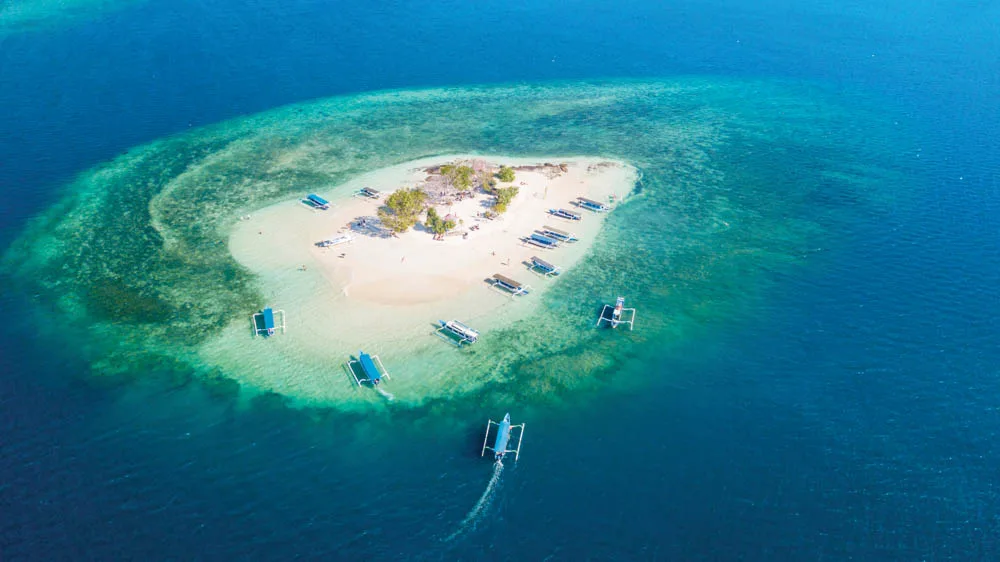
For the ultimate South Seas idyll, the stunning new-look Aitutaki Lagoon Private Island Resort Adults Only offers the only Overwater Bungalows in the Cook Islands from where you can gently slip into the sublime lagoon waters directly from your deck. This exclusive resort is also the only private island resort in the Cook Islands, and the only resort set directly upon the World’s Most Beautiful Lagoon, Aitutaki.

Voted in the prestigious Condè Nast Traveler Readers Poll as one of the Top 25 Resorts in Australia, New Zealand and the South Pacific, and listed by Islands magazine as one of the World’s 12 Best Private Islands, the resort rests effortlessly on the secluded, private island of Motu Akitua, just a 2-minute ride by private ferry from the main island of Aitutaki.

Be delighted to arrive to the resort’s brand-new multi-million-dollar complex which includes a grand Polynesian indoor-outdoor lobby, waterfront dining, SpaPolynesia, gift shop, gym and more. Along with a mouthwatering Pina Colada or cold beer, drink in the island’s best views of the world-famous lagoon from the new Infinity Pool Restaurant & Bar.

Just a 45-minute flight from Rarotonga, the capital of the Cook Islands, Aitutaki Lagoon Private Island Resort Adults Only offers stylish new Beachfront Private Infinity Pool Villas along with unique Overwater Bungalows and beautiful Deluxe Beachfront, Premium Beachfront and Beachfront Bungalows complete with refreshing Polynesian-style open-air showers, super-king bed, spacious verandah with sunloungers, air-conditioning and complimentary resort-wide Wi-Fi. The sumptuous luxury Royal Honeymoon Pool Villa Princess Te Arau, a favourite with celebrities, offers complete privacy in a lush tropical garden setting, daybed pavilion, swimming pool and a separate kitchen/ dining pavilion.

The resort offers a range of memorable dining experiences including a fire dance show at the water’s edge, and private candlelit dining in the Kuriri Point gazebo under a canopy of twinkling stars. Guests can enjoy complimentary use of stand-up paddleboards, kayaks, snorkelling gear and bicycles, along with learning to make a fresh flower ‘ie (lei), dance the ‘ura (hula) and play the ukulele.

Heaven sent for couples searching for that special escape to celebrate an anniversary, milestone birthday, wedding or honeymoon. For the best-of-both islands, consider adding on some nights at boutique sister resort, Sanctuary Rarotonga – on the beach, Adults Only. Check the resort websites for the best rates and deals. Entire resort is exclusively for in-house guests only, including restaurants and bars.

Lombok

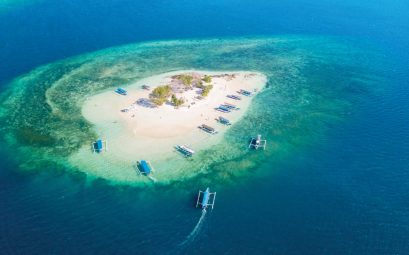
With its pristine white-sandy beaches, the magnificent Mt Rinjani volcano, and spectacular marine life to discover, the island of Lombok in West Nusa Tenggara has no shortage of attractions both in, and out of the water.

Lombok is located to the east of Bali and is geographically the same size. A wide range of destinations is guaranteed to suit even the most discerning visitors. Whether you wish to surf the massive breaks on the south coast, challenge yourself with a trek up steep volcanic peaks, or hire a bike and cycle through lush, abundant rice paddies, you won’t be disappointed with the spectacular natural beauty of Lombok.

The island enjoys a tropical climate with warm and humid weather all year round with a temperature range of 21°C to 32°C. The wet season starts from November through to May and the dry season starts from May through to October.

The island has a population of about 3.1 million and the local inhabitants are called Sasaks who comprise 70 percent of the population. The remainder consists of other predominant ethnic groups such as Balinese, Chinese, Arabian, and Javanese. Bahasa Indonesia is the national language but English is widely spoken.

Lombok has three distinct districts with three main cities. Mataram, the centre of commerce and the capital city, is in the west, Praya is in the centre and Selong is located to the east of the island.

Popular tourist resort area, Senggigi, is a township that is positioned on a sweeping bay providing magnificent views of a rich, fiery red sunset over neighbouring Bali. Visitors to Lombok also flock to one of the three Gili islands- Gili Trawangan, Gili Meno and Gili Air. These picturesque tropical islands are just a short 40-minute boat ride from Senggigi.

The majority of the population is Muslim with most worshipping in the mosques on Fridays, their holy day. If you are planning on travelling around the island and visiting small villages, be respectful and considerate of the Islamic beliefs and wear or knee length shorts, a shirt with sleeves or a sarong. If you happen to visit during Ramadan, which is the Muslim month of fasting from sunrise to sunset avoid eating, drinking or smoking in public places during this month-long fast.

Lombok has a reputation for amazing, woven textiles. Songkets (hand-woven textiles) and ikats (intricate dyed fabric) can be used, amongst other things, as sarongs, wall hangings, or tablecloths. The design woven is unique to each weaver and it is passed down through the generations. There is a traditional handweaving village in Puyung in central Lombok where visitors can try on a traditional Sasak costume, and the village of Sukarare is a must visit for kain ikat or handwoven textiles. Lombok is also known for its magnificent South Sea cultured pearls, and its pottery has gained in popularity and is now shipped all over the world. There are many other traditional handicrafts that make perfect gifts or souvenirs including wooden masks, baskets made out of ketak grass and wooden boxes decorated with shells. Visit the village of Banyumulek where arguably, some of the best pottery is produced.

Public transport in Lombok comes in the form of buses and bemos (a small minibus). The main bus terminal is Mandalika at Bertais. Hiring a car or motorcycle is a convenient way to explore the island. Hotels and travel agencies offer the most competitive rates for car and motorcycle hire.

To get to Lombok, you can travel by air, ferry or fast boat. There are daily flights between Denpasar, Bali and the capital of Lombok, Mataram. The public ferry travels between Padang Bai (Bali) and Lembar (Lombok) multiple times a day, and the trip takes roughly two and a half hours. Both motorbikes and cars can be taken on the ferry.

Ferries also travel between Labuhan Lombok and Poto Tano on Sumbawa several times a day, and this trip takes one and a half hours. However, if you are prone to seasickness, the trip can be rough. Another option is by fast boat Blue Water Safaris run express boats from Bali to Lombok, the Gili islands and Lebongan Island.

AP Bali Uluwatu

Jimbaran & Uluwatu

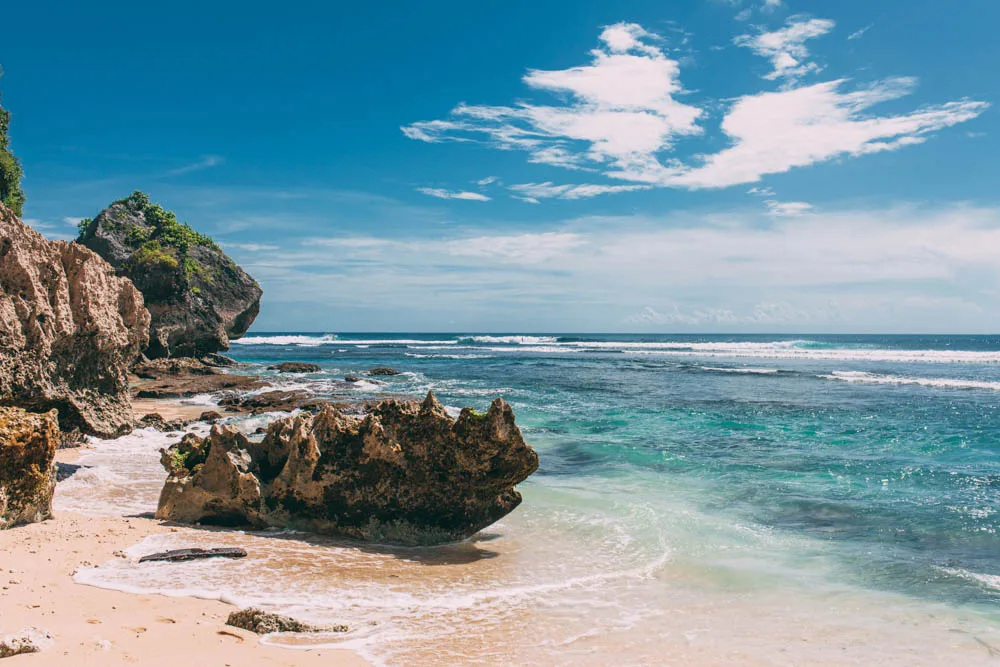
The Bukit Peninsula offers stunning ocean views and white sand beaches.

The quiet fishing village of Jimbaran lies on a narrow isthmus connecting the Bukit Peninsula to the rest of Bali. Jimbaran is unique in that it borders two different coasts lying less than two kilometres apart.

The geography around Jimbaran is distinctly different to the volcanic fertile soils found elsewhere in Bali. The Bukit Peninsula is comprised of a large limestone plateau offering stunning ocean views from its clifftops and white sand beaches. On the west coast is Jimbaran Bay and the Indian Ocean while the east has the shallow and sheltered Benoa Harbour. The region has remained sparsely inhabited due to the landscape and was at one stage a place of banishment where undesirables were sent. The Jimbaran area is a far less crowded alternative to Kuta or Legian thanks to careful planning by local authorities. The beauty of the beach has led to a number of luxury hotels being built along the shore. Budget accommodation is limited in Jimbaran, but the region is easily accessible from Nusa Dua or Kuta by taxi, bemo or bike.

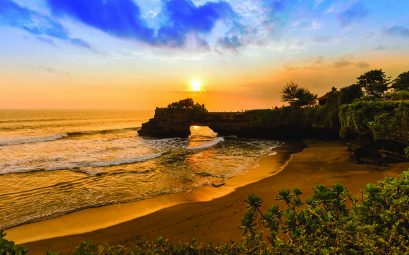
The sea temple of Pura Luhur Ulu Watu is the region’s most significant sight. The temple is one of several dedicated to the spirits of the sea along the south coast of Bali. Precipitously perched atop sheer limestone cliffs, the temple is certainly a dramatic sight, especially at sunset. Sunset at Jimbaran Bay is another popular sight. Seafood restaurants and warungs line the beach and tourists arrive in the late afternoon to witness the brightly coloured fishing fleets prepare for departure.

An outlying reef protects the beach at Jimbaran quite well, however some of the world’s best and most dangerous surf beaches are located nearby at Uluwatu and Padang Padang.

The Garuda Wisnu Kencana Cultural Park (GWK) is situated overlooking the South Bali tourist region and is one of Bali’s premier venues for performances, exhibitions, conferences, sightseeing and relaxation.

Jimbaran has three major temples that draw tourists from around the world, Pura Dalem, Pura Puseh and Pura Desa. The anniversaries of the temples occur within four days of each other. At this time of year Jimbaran is vibrant and full of ritual activities. Although the number of tourists visiting Jimbaran is increasing, it’s still a relatively tranquil haven, offering many unique sights.

Uluwatu
Located on the western shore of the Bukit Peninsula on Bali’s southern coast, Uluwatu is famed for its spectacular rock formations, world-famous surf break, and dramatic cliffside temple.

Heralded ‘the most famous wave in Bali’ Uluwatu is a surfer’s paradise, however there is plenty of other things to see and do in Uluwatu for the non-surfer. Uluwatu boasts one of the oldest and most impressive temples in Bali, Pura Uluwatu, built by Javanese priest Empu Kuturan in the 11th century. Dedicated to the spirits of the sea, the temple is an architectural wonder, carved in black coral rock and perched high on the cliff side, 70 metres above the Indian Ocean. The best time to visit the temple is in the afternoon, so you can watch the evening traditional Balinese Kecak Dance and Fire Dance performance (held at 6pm every evening) on the cliffside stage as the sun goes down in the background. When visiting the temple, it’s advised to be mindful of your belongings, as the cheeky monkeys that reside here may take off with your sunglasses and hold them ransom in exchange for a banana!

This large limestone peninsula is just a short drive away from Kuta Bay, Jimbaran and Nusa Dua. Renowned for its spectacular sunset views its dramatic location, perched high on the cliff’s edge, provides the perfect locale to sit back, relax and enjoy the show.

Ubud

A visit to Ubud isn’t complete without going to the Monkey Forest Sanctuary south of the village which is inhabited by cheeky monkeys waiting for visitors with peanuts.

Located in the lush slopes leading up towards the central mountains, Ubud is the cultural centre of Bali. A sanctuary for artisans, this quiet Balinese village is 60 minutes by car from Ngurah Rai International Airport. Ubud has a peaceful atmosphere and is a haven from busy Denpasar and Kuta.

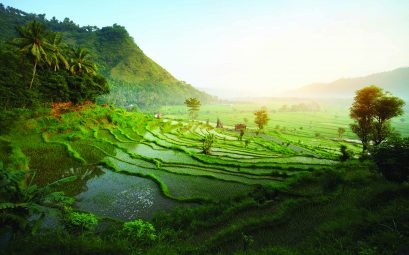
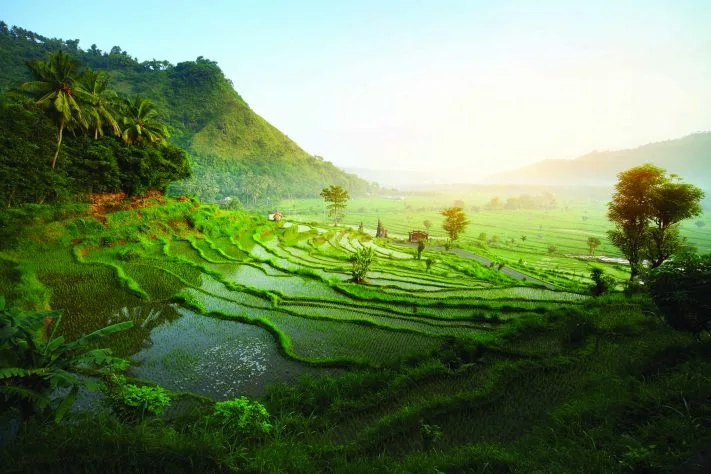
Complementing the ancient temples and palaces is the unspoiled countryside that offers picturesque rice paddies, rivers and gorgeous scenery.

There are many wonderful walks in every direction from Ubud, through the rice terraces, villages, jungle gorges and grassy hilltops. Organised walks cover a variety of themes including birdwatching and exploration of historic and cultural sites.

Ubud’s beautiful surroundings and gracious way of life have drawn artists from all over the globe in recent decades, some of whom have even adopted Ubud as their home.

The main gallery areas are Jalan Raya, running from the Peliatan crossroads in the east all the way up to Sayan in the west; the main street through Peliatan; Pengosekan Village; Batuan Village; Penestanan Village; and the town of Mas, where the big-name woodcarvers have palatial galleries with impressive facades and enormous signs.

Ubud is also known for its selection of Batik fabrics, carvings, jewellery and paintings.

Ubud also has several art museums. To gain a true appreciation of Balinese art, visit Museum Neka which features mostly modern works by Balinese, Indonesian and Western artists who have worked in Bali, and also take time to see Museum Puri LukisanUbud’s “Palace of Art”. Founded around 40 years ago by a group of artists and patrons from the Ubud royal palaces, it is set in a peaceful garden with fountains, statues and pools.

The main crossroads in front of the Puri Saren palace is the ‘navel’ of Ubud its cultural and historical focal point. Away from the main streets, Ubud is a quiet place featuring small lanes lined with homestays, warungs and Balinese compounds extending north and south from the main road.

A visit to Ubud isn’t complete without going to the Monkey Forest Sanctuary south of the village which is inhabited by cheeky monkeys waiting for visitors with peanuts. The interesting Pura Dalem Agung (Temple of the Dead) is also located in the forest and features amazing ancient trees and sculptures.

Ubud features a range of accommodations including luxury properties with great spa settings and facilities, wonderful health retreats and spectacular views.

There are cultural shows on nearly every night and organised tours can be easily arranged to visit other parts of Bali. Its central location makes it easy to get from Ubud to the mountains, beaches and major towns.

The main street is also lined with restaurants and cafes with a wide range of delicious foods to cater for all tastes.

Although visitors often outnumber residents during peak periods, Ubud retains its charming, unhurried atmosphere and distinctive way of life of a small rural community.

Seminyak & Canggu

With its central location, burgeoning nightlife and accessibility to major tourist attractions, this area is a perfect alternative to Kuta.

To the north of Kuta and Legian, are stylish Seminyak and Canggu. There are no shortage of villas between Seminyak and Canggu luxe villas paired with five-star services and facilities offering you your own private piece of paradise.

Seminyak

Seminyak, has a reputation among tourists for being more sophisticated and having a more stylish nightlife than Kuta. The shopping centres and busy streets of Kuta are just 15 minutes to the south, and the more rural area of Canggu is just a 25-minute drive to the north.

Seminyak has also become extremely popular for its wide range of world-class restaurants featuring all cuisines and eateries lining the beach. The multitude of upmarket boutiques, galleries, shops and markets make for fascinating shopping trips.

Seminyak has become the luxury spa destination in Bali. By local standards, treatments may seem expensive but are probably half the price, or less, than you would pay at home. Most hotels offer an in-house service and in-villa treatments are widely available.

Canggu

Further north of Seminyak is Canggu that is widely used to refer to the eight-kilometre coastal stretch running north from the village of Berawa, just north of Seminyak, to the village of Cemagi, just south of Tanah Lot.

The once rural farmland full of green rice paddy fields is now packed with luxury villas, yoga studios, boutiques, cafes, restaurants and beach clubs. Its beaches draw in surfers from all around the world. Most of the action can be found near Batu Bolong, a beach best known for its longboard-friendly break and Old Man’s, a lively beer garden and surf club.

Just north of Canngu, one of Bali’s most important temples can be found. Over thousands of years, the tiny island of Tanah Lot was gradually formed as a result of erosion by ocean tides. Surprisingly modest, it comprises of two shrines with tiered roofs, two pavilions and a few small buildings. Access down to the temple is through a sideshow alley of souvenir shops and market stalls. It is a highly spiritual place, and visitors will often see people making the trip to meditate nearby or walking to the water in order to receive the ministrations of priests.

Sanur


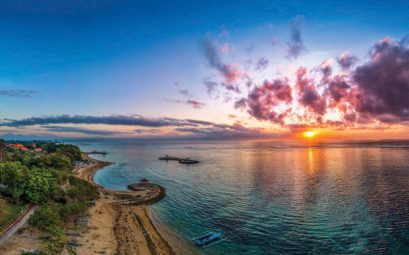
As well as a beautiful white sand beach and a safe swimming area, there are plenty of restaurants, nightspots and good shopping in Sanur.

Sanur, a five kilometre east-facing stretch of picturesque coast, is an idyllic location. It is an upmarket alternative to Kuta, yet not as exclusive (or expensive) as Nusa Dua.

The area has a relaxed holiday atmosphere without the hustle and bustle of central Kuta. As well as a beautiful white sand beach and safe swimming area, there are plenty of restaurants, nightspots and good shopping.

From the 13th to the 16th centuries, chronicles refer to the importance of Sanur priests and scholars and today, Sanur is one of the few communities still ruled by priests of the Brahmana caste.

These priests recognised both the threat and opportunity that tourism presented and imposed the famous rule that buildings cannot be taller than the highest coconut tree and established village co-operatives to ensure that a share of economic benefits remains within the community.

Known throughout Bali as a home to sorcerers and healers, Sanur is often revered. The black-and-white chequered cloth seen around Bali is emblematic of Sanur. Symbolising the balance of good and evil, it can be found adorning the many temples in the region.

A string of ancient temples can be found near the beach. Their low-corralled walls and platform altars are peculiar to Sanur. Anniversary celebrations at these temples are exuberant and strange to Westerners. Sanur is also home to the oldest dated artefact found on Balia pillar, with inscriptions on it recounting military victories more than a thousand years ago and making reference to King Sri Kesari Varma who came to Bali in AD 913 to teach Buddhism.

Prior to World War II, Sanur was popular with a few prominent Western artists such as Adrien Jean Le Mayeur, writer Walter Spies and anthropologist Jane Belo. The Belgian artist Le Mayeur lived in his house in Sanur from 1935 until 1958 and it is now a museum.

Activities in the area include camel rides, cycling and a plethora of watersports such as sea walking and snorkelling at the nearby reef.

Sanur is renowned for its spectacular kite flying competitions during July, August and September which are staged by the local community councils. The kites can be up to 10 metres long, require a dozen men to launch them and traffic is halted when they’re carried down the roads.

Part of the charm of Sanur lies in its tranquility. Mainly a resort for families wanting to experience genuine Balinese culture, the nightlife is limited to the bars and discos in the larger hotels.

A huge advantage is its proximity to inland destinations, such as Ubud, which is around 40 minutes away.

Sanur is a place of remarkable contrasts. It is rich in culture, history and activity and is bound to intrigue any visitor.

Nusa Dua & Tanjung Benoa


Whether you want complete luxury, peace and quiet, adventure or delightful local cuisine and culture, you’ll find it in Nusa Dua & Tanjung Benoa.

Nusa Dua is located on the southern peninsula of Bali, just 20 minutes from the airport and the organised chaos of Kuta. The area is known for its generally fine weather (it is drier and cooler than the rest of Bali) and its protected white beaches. Coconut trees stud the coastal strip and it is a requisite that resorts built in Nusa Dua are to be no higher than the coconut trees, ensuring minimal impact on the region.

The entrance to the resort area is flanked by traditional Balinese split gates leading to the expansive lawns and sweeping driveways of grand hotels.

In the quiet enclave there are no hawkers, warungs, traffic nor pollution. Though it’s relatively isolated from Balinese community life, many hotels arrange visits by Balinese dancers and gamelan performances, and all of the major tourist attractions are a short drive away.

The beaches at Nusa Dua have popular surf breaks way out on the reef and the best time to enjoy them is the wet season. At low tide the beach is shallow and difficult for swimming but at high tide it transforms into a picturesque lagoon.

Camel Safaris run one hour camel rides along the beach. Many watersport activities such as diving, waterskiing, windsurfing and parasailing are based in Tanjung Benoa just to the north of Nusa Dua.

A shopping complex in the centre of the resort specialises in textiles and handicrafts, has a range of kiosks and a games area for kids as well as a restaurant. It also stages regular Kecak and Legong dances and drum parades.

Nightlife in Nusa Dua is limited to bars and lounges in the hotels, but it’s a short taxi trip to the lively areas of Kuta, Legian and Seminyak. Tanjung Benoa is a peninsula that extends for four kilometres north of Nusa Dua.

A Chinese population has resided here for centuries and has established a Chinese temple. There is also a Hindu temple and a mosque within 100 metres.

Shops are generally cheaper than those in Nusa Dua and offer a shopping experience similar to Kuta. Tanjung Benoa has an extensive range of local restaurants, including the famous Bumbu Bali Cooking School.

Diving, cruises and fishing trips at Tanjung Benoa can be arranged with most travel agents in South Bali while snorkelling, banana boat rides and glass bottom boat trips are offered along the main beach at reasonable prices. The area is also dotted with spectacular sea temples.

Whether you want complete luxury, peace and quiet, adventure or delightful local cuisine and culture, you’ll find it in Nusa Dua and Tanjung Benoa.

North Bali & Other Regions

Renowned for its variety of picturesque landscapes, lovely beaches and villages where traditional ways are preserved.

There are a number of other regions on the island of Bali which are popular with travellers.

On the northeastern coast lies the small village of Tulamben which has a friendly atmosphere and wonderful food. Tulamben is best known for spectacular dive spots including a drop-off and the sunken American ship, Liberty, torpedoed by the Japanese in 1942. Now encrusted with marine flora, it is home to thousands of tropical fish.

The area boasts picturesque rice fields with massive black rivers of volcanic rubble from the 1963 eruption of Gunung Agung. As Bali’s highest and most revered volcano, it dominates the easternmost district of Karangasem which is not only renowned for its variety of scenic landscapes and lovely beaches but also for villages such as Manggis where traditional ways are preserved.

The mountainous region of Kintamani is located in the northeast of Bali and centres around the spectacular caldera of Gunung Batur with its deep crater lake and hot springs. Kintamani has a range of accommodation but is easily accessible for day trips from Kuta. It is great for trekking, sightseeing and shopping. Gunung Batur is still active but much of the crater is farmed by villagers with water from Lake Danau Batur. Every three days, a colourful market is held where fresh produce and handmade clothing is sold.

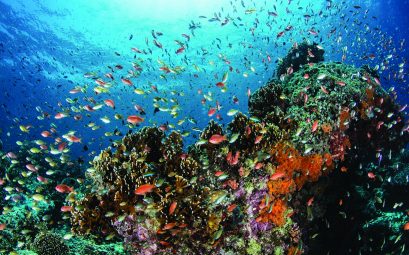
In the northwestern corner of Bali is Pemuteran, a small village untouched by tourism. Bordered by the Java Sea and jagged mountain ranges, the area is too dry for rice cultivation so the local people traditionally live off the sea. Following years of destructive fishing around the offshore coral reef, a conservation project has been instituted. This has resulted in greatly increased numbers of marine life, perfect for snorkelling and diving.

Visitors to Pemuteran may also be interested in Menjangan Island just off the coast, the dramatic Pulaki Temple which is perched on the side of a cliff, the botanical gardens at Bedugul and Sing Sing waterfall.

Natural wonders continue to be a drawcard in the west of the island. The Bali Barat National Park is renown for its dive sites, flora, fauna, great trekking and pristine, beautiful beaches.

Off the east coast is Nusa Lembongan, a small island covered with coconut trees, mangrove forests and small farms. Most people visit Nusa Lembongan to enjoy its quiet beaches, surfing or diving on day cruises from Bali.

The village of Jungutbatu is charming with quiet lanes and a few temples. A popular temple is Pura Segara, which has an enormous banyan tree within its complex.

About four kilometres away is Lembongan Village where visitors can take a tour of the eerie underground house where a man excavated his cave with a spoon.

South Kuta & Legian


The culture of multinational surfers, backpackers, wellheeled tourists, families and the forever friendly Balinese ensures South Kuta remains a unique place for tourists.

The Kuta region is Bali’s largest tourist area and most visitors to Bali will visit it sooner or later. Centrally located, it is minutes from Denpasar and the airport. It offers a wide range of accommodation, a plethora of restaurants and tourist facilities in a buzzing atmosphere.

Though Kuta isn’t for everyone, if you enjoy the beach and bar scene it is the best and most exciting place in Indonesia.

Surfing is a hugely popular activity in Kuta with countless shops hiring out surfboards. Lessons and surf tours can be arranged as well.

Australians once dominated the tourist scene however it is now much more diverse. French, English and Japanese tourists are all common and Kuta has become extremely popular with surfers the world over.

Local activities include rafting, diving, bungy jumping and horseriding, which can all be organised through local travel agents. Waterbom Bali is hugely popular with children. It is supervised by lifeguards, and has assorted slides, pools and rides that the whole family will enjoy.

Almost all hotels have a swimming pool and most will allow non-guests to use their pool for a small fee.

Spa establishments can be found throughout Kuta for a true indulgence. Massages are available in most hotels but are much cheaper on the beaches.

Kuta nightlife features music, arak (local alcohol) and happy hours that last all night. The busiest bars and clubs are along Jalan Legian, such as the new Paddy’s and the Bounty Ship.

Merging almost seamlessly with Kuta to the south, is Tuban. It is a little quieter than Kuta but is thriving on tourism. Many tourists opt to stay in Tuban as it’s slightly further out from the epicentre of Bali yet still close enough to share all the facilities. It offers plenty of places to stay, eat and party. Tuban has colourful shops and markets as well as the larger Jalan Kartika Plaza and the Discovery Shopping Mall.

Aside from all this, Kuta still remains a Balinese village with quiet compounds and small offerings to the gods left in every doorway. The culture of multinational surfers, backpackers, wellheeled tourists, families and the forever friendly Balinese ensure South Kuta remains a unique place for tourists.

Legian

The village of Legian was established as an alternative to Kuta and is now almost an extension of it with the two blending into each other along the main streets of Jalan Legian and Jalan Melasti.

There is no shortage of places to eat in Legian, with roadside stalls (warangs) and restaurants in five-star hotels. Many exclusive hotels line the picturesque beachfront and its central location, burgeoning nightlife and accessibility to major tourist attractions make it a perfect alternative to Kuta.