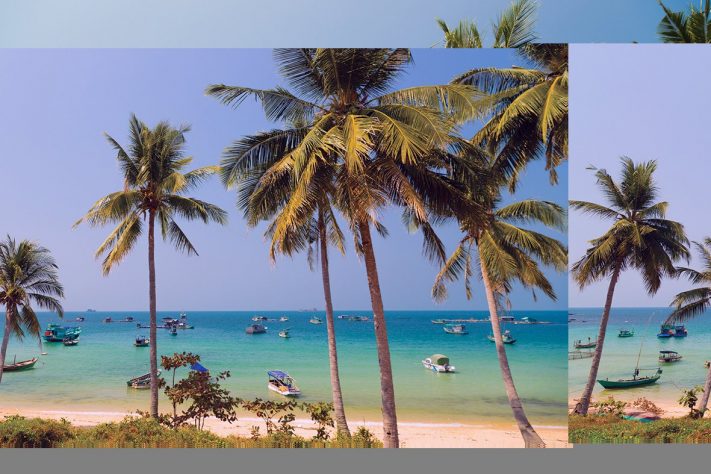
Koh Samui Holiday

Written by John Loffler

Koh Samui Holiday

There are a couple of ways to get to Koh Samui from Bangkok, but for a first-time traveller, just book your tickets in advance at a reputable travel agent in Australia. (I say that now, 7 years after I did this trip. After 7 years of travelling I do all my own trip planning.)

The Journey Begins

The flight takes about 1hr 15 mins flying Thai or Bangkok Airlines. This was a holiday I was really looking forward to, just relax and chill out. The stresses of the last few months in Western Australia and some personal issues back in Perth had left their mark. This was going to be a week of doing very little.

Bandara
koh-samui-1

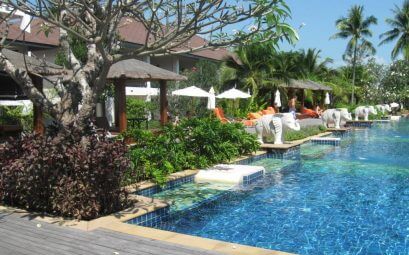
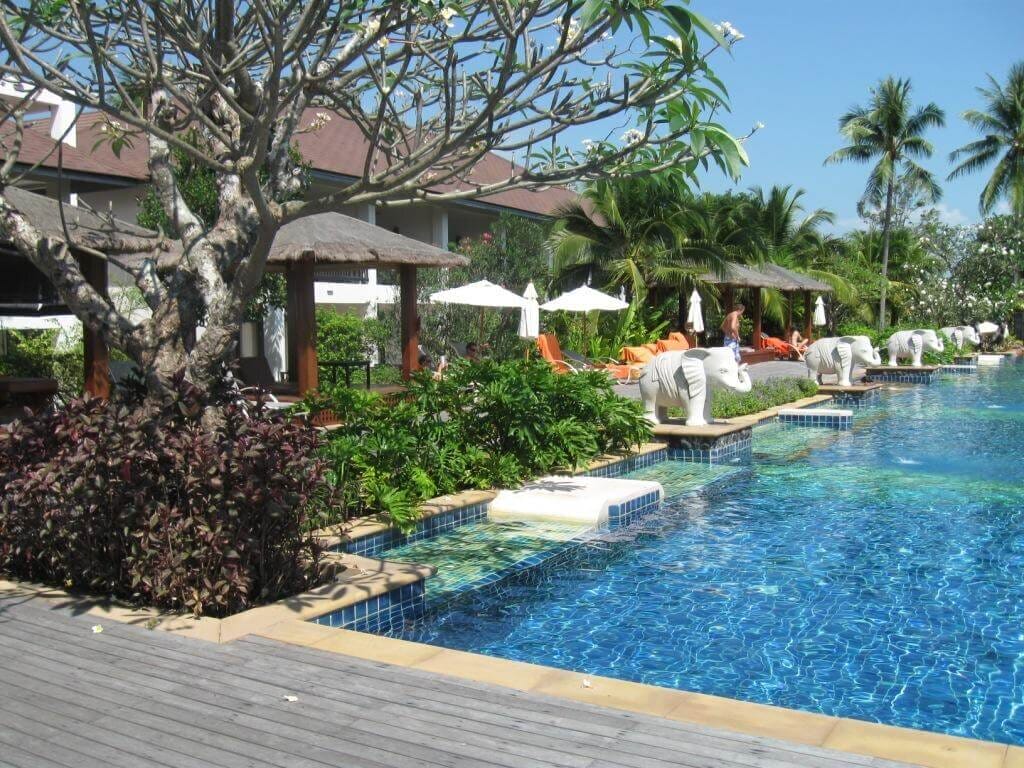
The hotel I had booked was 5 star, had its own beach, a couple of swimming pools, bars, restaurant and close enough to the central area of Koh Samui to walk. I was picked up from the airport. Don’t you love that bit about arriving at an airport and there’s some dude holding up a sign with your name on it? Yeah, me too. The drive to the hotel was leisurely, air-conditioned, and for a new visitor to Samui, full of interest. We passed through the popular area which is called Chaweng Beach. My hotel was in the BhoPut Beach area.
koh-samui-2

koh-samui-3

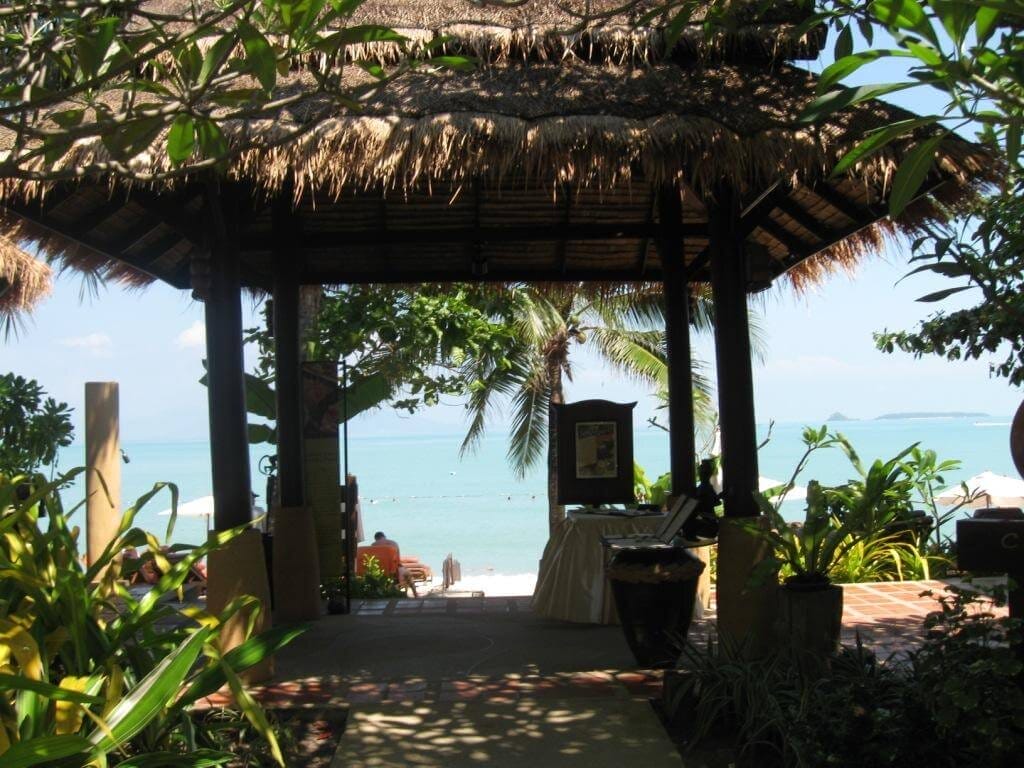
I was treated like royalty on arrival and if I were to describe this place, the Bandara Resort, I would use the term ‘breathtaking’! Look at the pictures and I am sure you will agree. After checking in, I wasted no time getting into my bathers, grabbing a towel and heading for the beach. To get there, you have to walk past the two swimming pools. OMG! (After looking at the more recent photos I see they have added an infinity pool!)

The Hotel Beach
koh-samui-4

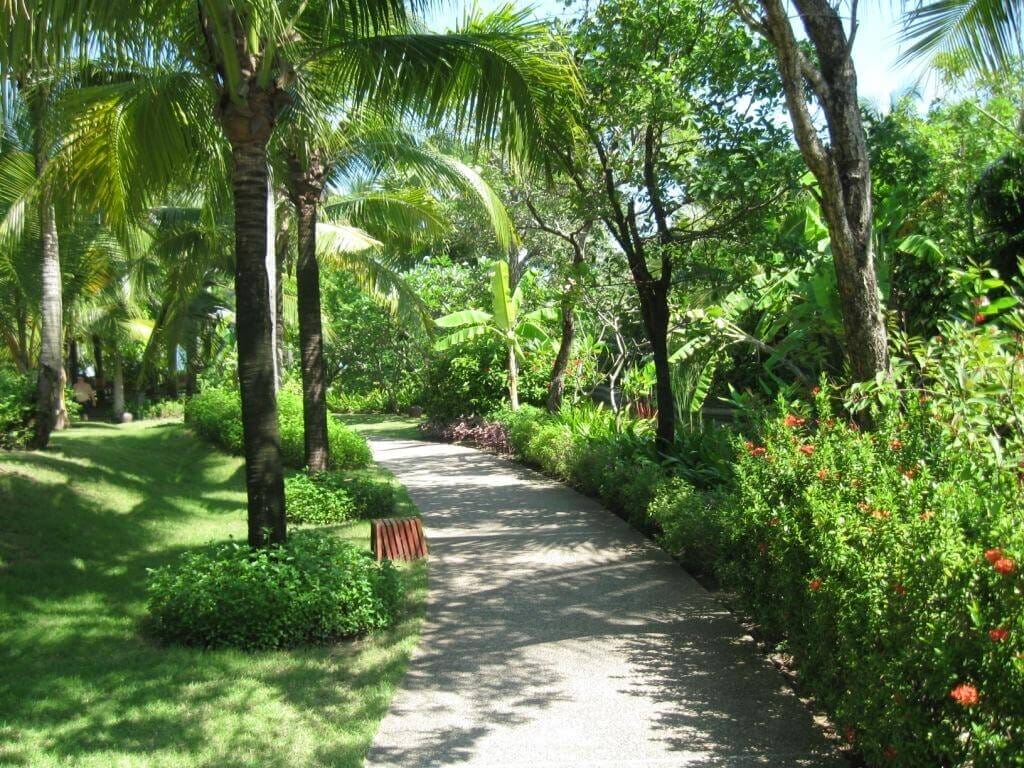
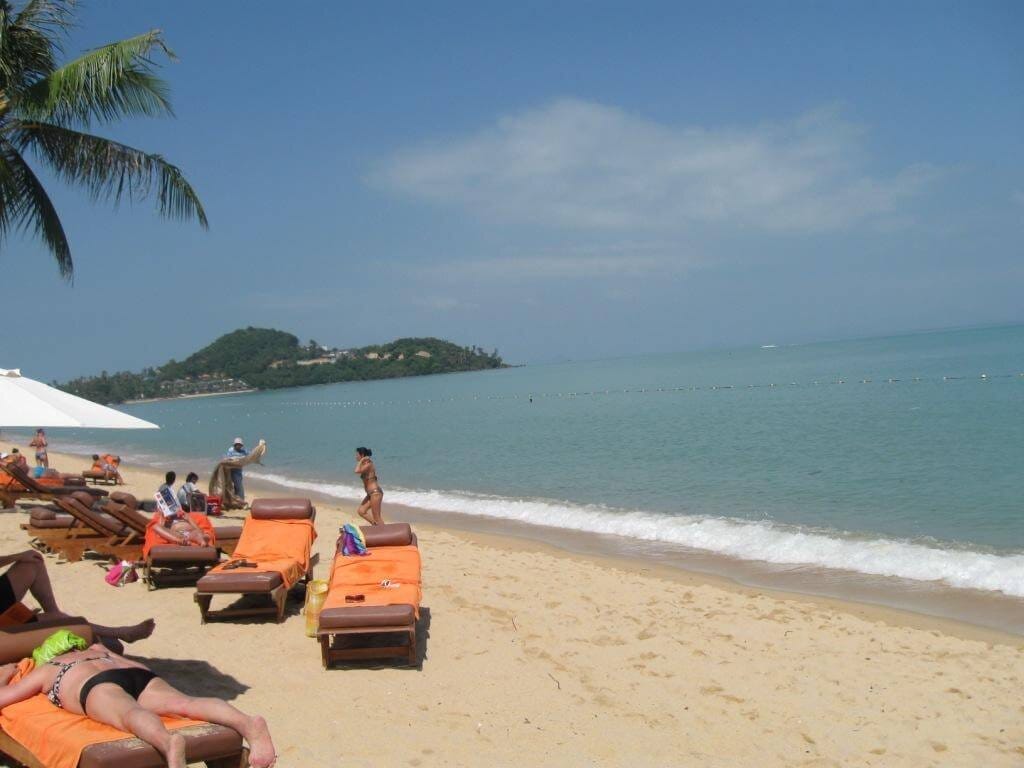
Then it’s a casual stroll through the hotel’s glorious gardens at the end of which is a bar and…the beach. Loungers supplied, clean sand, clear water, paradise was here! The room was fantastic, spacious, beautiful decor and very Thai. With Australian money the rate I paid in 2010, $100 a night which included breakfast, was very cheap when you look at the standard of the accommodation.

Correct Terminology

Slip! Slop! Slap! I was in the water in a flash. I don’t know at what temp the Gulf of Thailand water usually runs to, but somewhere in the mid-20’s might be an educated guess. While the beach was private, that didn’t stop the hawkers from parading through there selling everything from flip flops (thongs) and sunglasses to a massage. This was my introduction to an aspect of SE Asia that, at times, became annoying. By the way, during my years of travel I have had to use the term ‘flip flops’ due to some funny misunderstandings I had with my US and Canadian friends when I referred to that particular footwear as ‘thongs’.

Thai to German – Silly

My first evening in Samui saw me dine at a local German eatery where I had wiener schnitzel, a favourite of mine. That was my last western style meal as I later discovered Thai food. By the way, the food at the hotel, including the free breakfast, was just magnificent.

My Island Scooter Rides
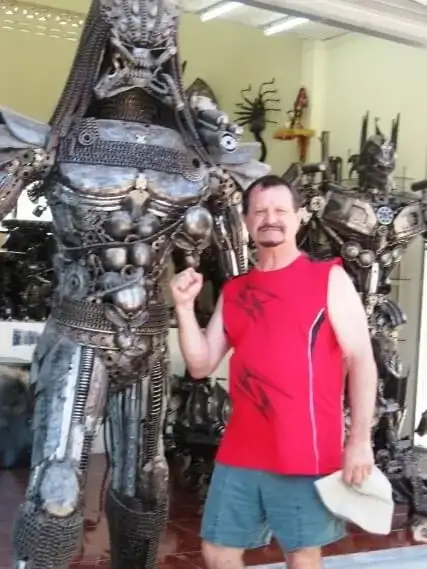
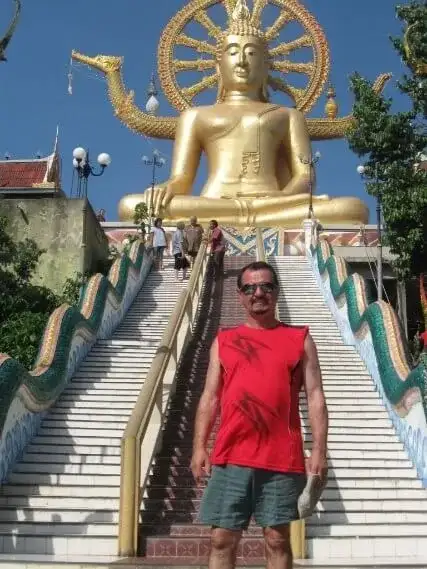
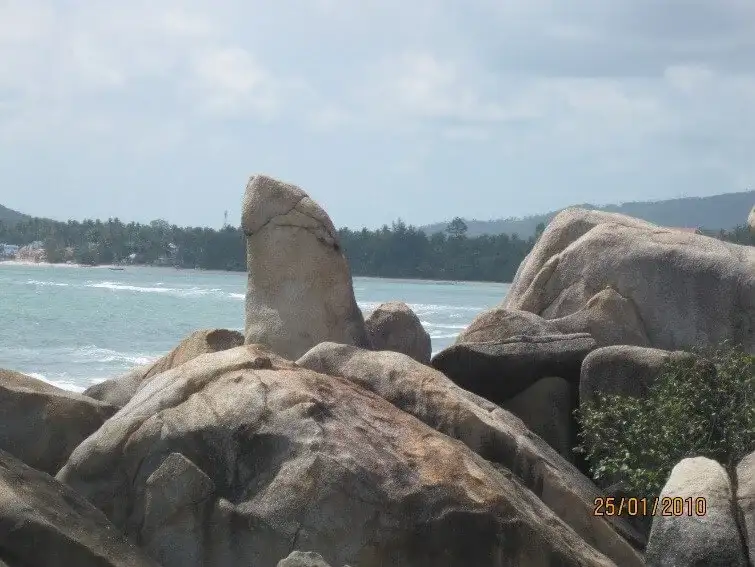
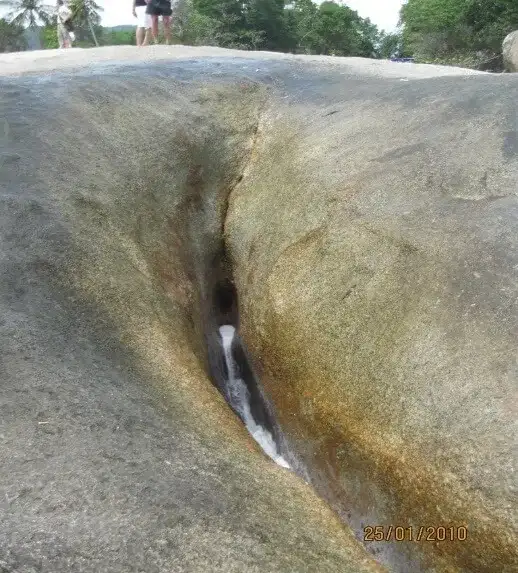
The next day I went and hired a scooter. I really needed to get around to see as much as possible. It was incredibly cheap at $7 a day. Helmet? No. shorts, t-shirt and thongs were all that were needed. The trip started at the Big Buddha, a 12-metre high statue that stands next to the Wat Phra Yai Temple and from which building the views over the island are somewhat grand. Tourist shops were many but I did stop and check out the Predator and Alien statues that had been created. They were rather special. Other places to visit were the Elephant Rock, the Vagina (Grandmother Rock) and Penis (Grandfather Rock) and a meal at a restaurant called ‘Orgasmic’! On Samui, there are a couple of things to remember. There is always a place to eat and with over 1100 hotels on 220 square kilometres of island, always a place to stay.
Elephants
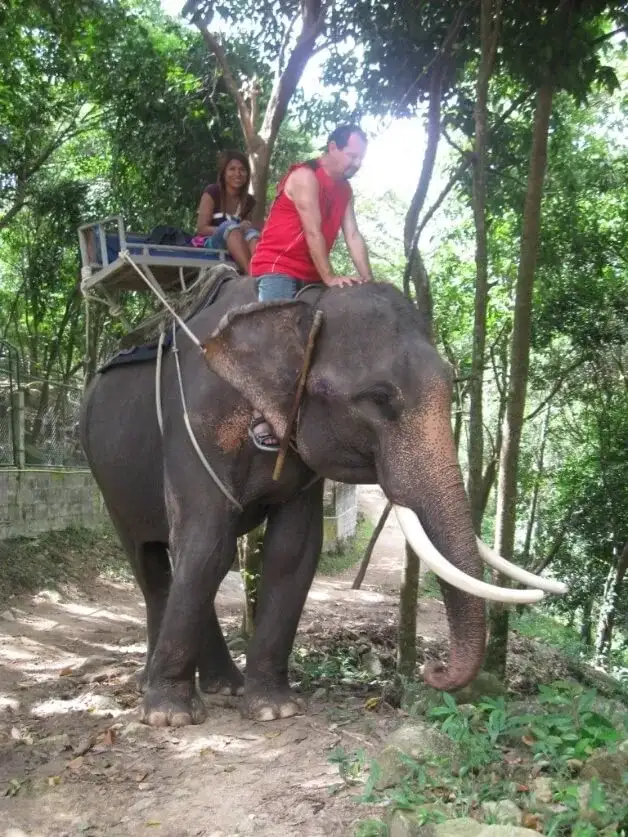
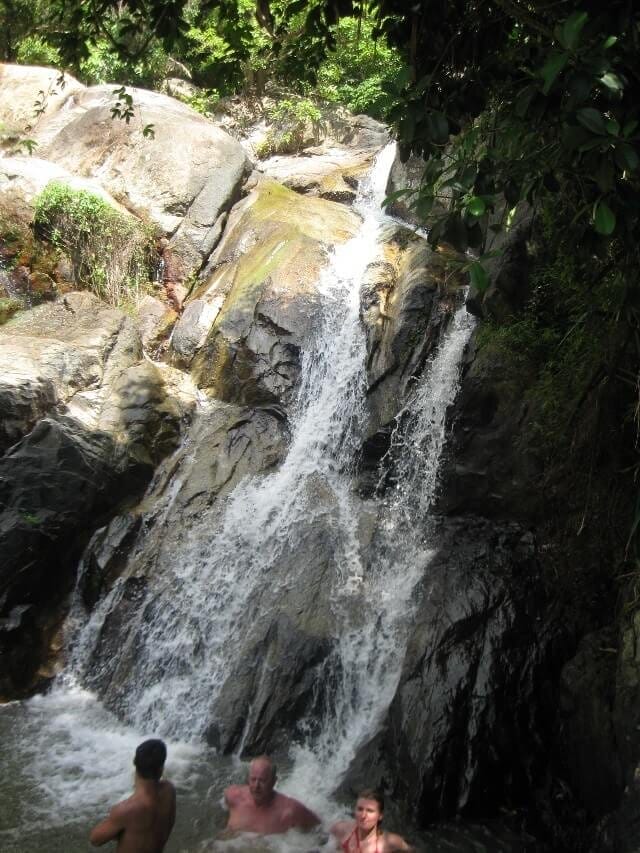
I did the elephant ride in the mountain area near Na Mueang Falls, the biggest waterfall on the island and a stunning spot. I might add that elephant rides were okay to do then, maybe not anymore, and they have possibly been stopped. My friend, a local, went underneath the elephant three times. It is supposed to bring you good luck. I guess it’s good luck that the bugger didn’t tread on you!

Touring the Island

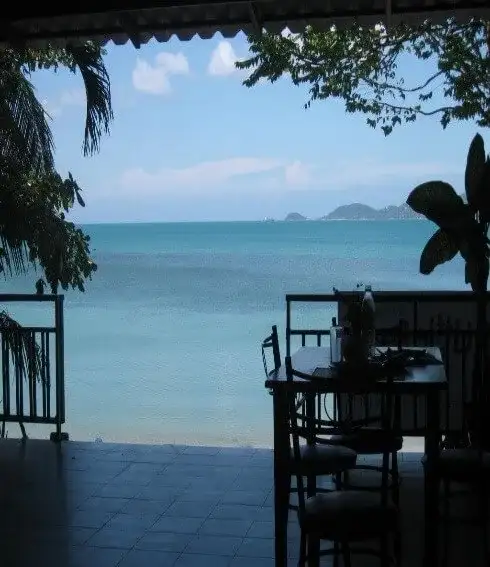
When you are riding around on your scooter, there’s a whole lot more to see and better places to stop. Some of the restaurants were not much more than shacks but built almost on the water. Eating there was a joint sensory effort of enjoying the gastronomic delights as well as the visual sights of ridiculously blue water and white sand beaches.

Traditional Thai Dancing
koh-samui-12

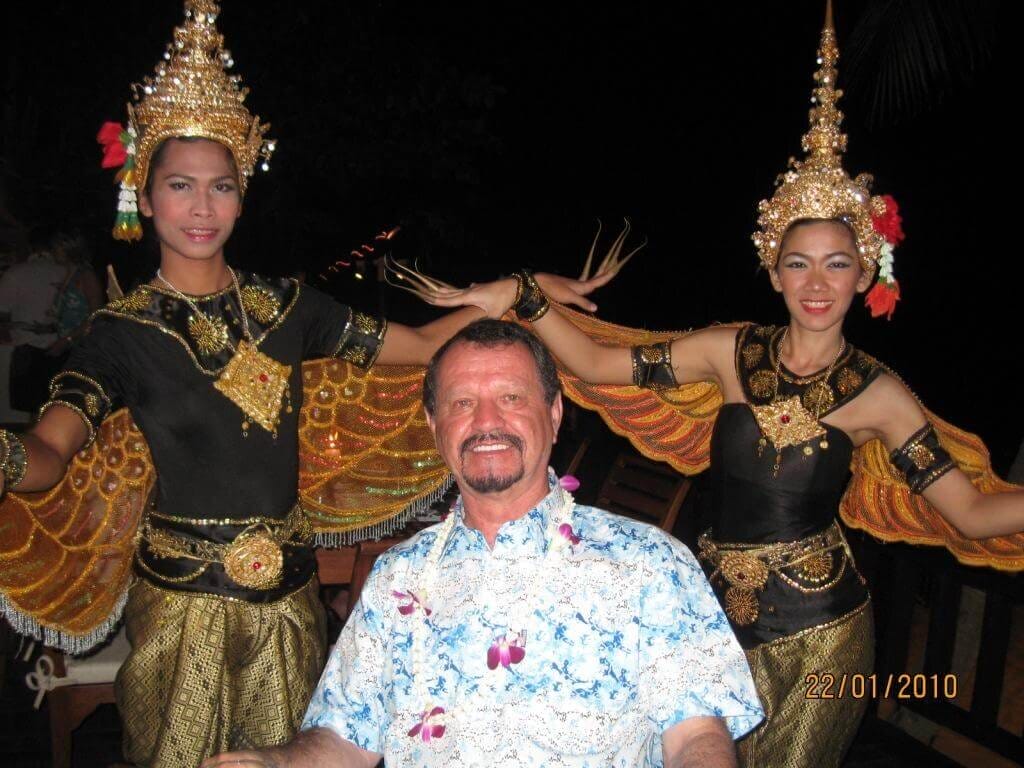
Bandara Resort had a Thai dance night along with the dinner. How could I miss that? In a way, it was beautiful with the costumes and the tradition of the story being told by the dancers’ hands. I just couldn’t work out why the dancers had to be guys dressed like women. Were the guys better dancers? Not many of the hotel guests turned up so there seemed to be an inordinate amount of attention shown in my direction. (To Be Continued)


Where to stay:


Sponsors:

Sight-seeing in Central Vietnam

Visitors have a lot of options for sight-seeing in Central Vietnam. You must visit the Tan Ky House which was constructed two centuries back by an indigenous Vietnamese family. This spectacular house, surviving seven generations, is extremely well-maintained and reflects elements of Chinese and Japanese architecture on the exterior.

Japanese BridgeYou could also visit the ‘Japanese Covered Bridge’ which is a pretty little bridge and a symbol of Hoi An. Constructed in the 1590s, the bridge is known for its ornamentation. Weathered statues (monkeys and dogs) guard the entrances of the bridge.

Cycling is the ideal way to explore the beautiful Vietnam scenery. A very popular cycling tour starts from Hanoi and goes into the central highlands. It finally ends on the Ho Chi Minh City coast.

For a unique kind of entertainment experience, you could also visit the Dive Bar, quoted as the top bar in Hoi An. The bar has a brilliant vibe with modern electronic tunes playing in the backdrop. You can relax in the lounge-style sofas and have fun at the pool table, cocktail garden or the pub grub.

vietnam danang premier village danang resort in villa bbq

Cuisine

The Hue Imperial dishes might be dominating the Central Vietnamese cuisine, but there is still quite a lot to discover with regards to the food in Central Vietnam. The cuisine of Central Vietnam is spicy and strongly flavored and very different from the food of the North, which is primarily influenced by the Chinese cuisine.

Some of the most popular dishes of Central Vietnam include Banh Ep, which appear like tiny balls of dough in the uncooked form with barbecued pork bits. A griddle is used to flatten them and the dish is accompanied with some fried shallots and fresh scallions before serving.

Banh Beo, Vietnamese CuisineBanh Beo is a popular street snack. When travelling to Central Vietnam, you will notice piles of empty bowls stacked on top of each other in various corners. These are used for serving Banh Beo which are steamed sticky rice cakes with ingredients made with pork rinds and shrimp.
Explore Danang

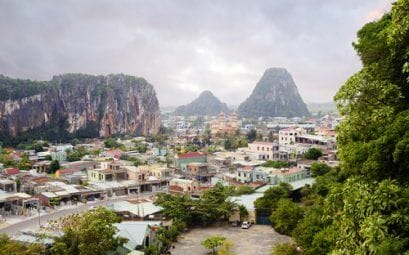
Danang is the fastest changing region in Central Vietnam. For several decades, it has been a local backwater. However, it is undergoing a lot of changes quite rapidly. While walking along the Han riverfront, you will notice stunning new contemporary hotels, restaurants and apartments coming up.

Han River Bridge in Da nang, VietnamIn addition to this, various new bridges can also be seen adorning the Han River. The northern side of Danang has the D-City landmark poking out of the flatlands. If you go down south, you will find that the whole of the China Beach line has been allocated for the development of 5-star hotels. Also, 2012 saw the opening of a renovated international airport in Danang.
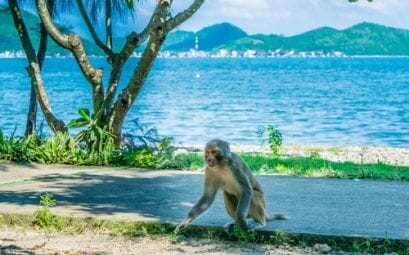
If you’re interested in taking day trips, Danang serves as a fabulous base for it. It is included in a long-stretching thin peninsula. Nui Son Tra or the Monkey Mountain rests at the north tip of this peninsula. The south side of Danang has the famous China Beach as well as the 5 Marble Mountains.

Things to do in South Vietnam

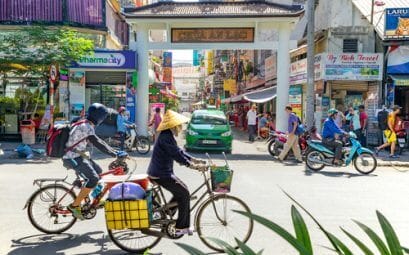
Saigon may have some of the craziest traffic that you will find in South Vietnam, but the pulsating traffic is what keeps the city’s heart beating in a way. You will find both souvenirs and clothing at the various discount malls in Saigon, and once you’ve had enough of that you can eat your heart’s fill at one of its many gourmet restaurants.

Dalat city, VietnamHoi An, what was previously a port city, is now a place that is buzzing with tourist shoppers. You can get your hands on reasonably priced clothing that are designed to your liking in the port city. Dalat is another popular shopping joint in South Vietnam, where you can find beautiful handcrafted jewelry. Of course, being a prime hangout location, Dalat can get quite crowded, but the good thing is you can shuffle between its karaoke bars and shopping streets, when either of the haunts gets too crowded.
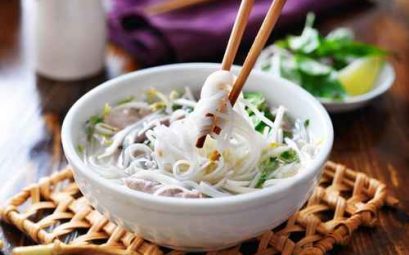
picking up noodles out of a bowl of pho

Vietnamese cuisine

While Vietnamese cuisine is known for its trademark noodles, in the south you will find that rice takes its place above noodles. Owing to its large coastline, seafood is a dominant part of the cuisine. Every meal will be accompanied by a platter that contains hot pepper, bean threads, cucumber, mint, basil, coriander and other herbs.

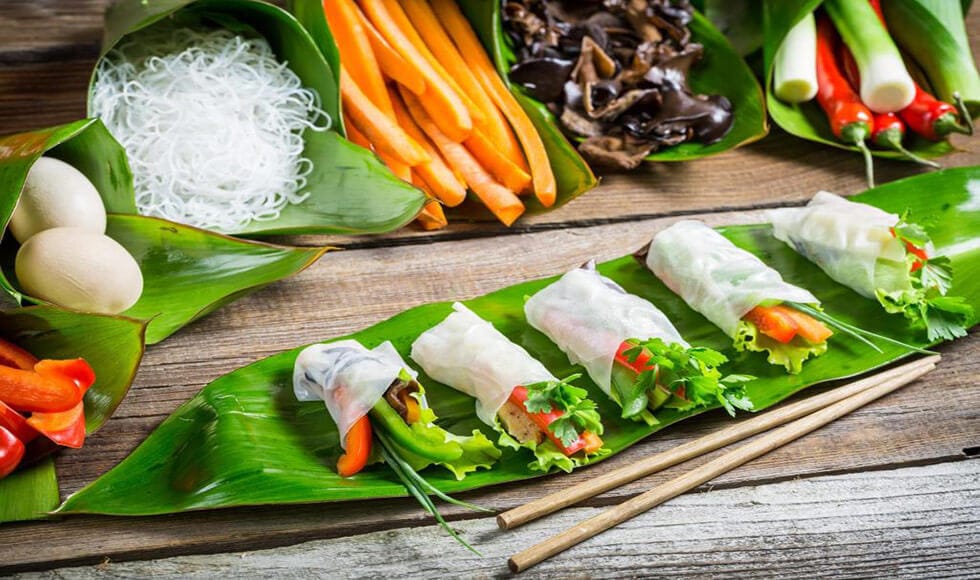
While you are in Saigon, make sure you taste Banh Xeo if you are looking for a quick bite. Banh Xeo is fried pancakes wrapped with herbs and lettuce. In some places like Ho Chi Minh, you will find the evident influences of French colonization in the cuisine and eat-out outlets alike. Stop by one of its cozy coffee shops and relish some Banh mi – a Vietnamese rendition of the stuffed baguette. Although sweet food is a favorite in South Vietnam, you will also find sour fish broth with tamarind flavors by the name Canh Chua in Mekong.

Explore south Vietnam

With war tourism being one of its biggest draws, it does not come as a surprise that Ho Chi Minh’s Museum that is stacked with war remnants, and war-themed historical park that draws its ideas from an underground guerrilla troop base that existed back in the day, are on every tourists checklist on their trip to South Vietnam.

As far as beaches go, tourists usually stop by Nha Trang, that has breathtaking islands such as Monkey island, Ebony island, Bamboo island and Silkworm island. If you are looking for something different, then you may want to stop by the Phu Quoc Island, where you can find everything from pepper fields to POW camps. Adventure enthusiasts would enjoy biking, trekking or rock climbing in the Central Highlands in South Vietnam. If French architecture and scenic vistas are what you’re looking for then Dalat may be right up your alley.

Essential Travel Tips for Vietnam

Going to Vietnam

Flights to Vietnam are served by most major airlines and land at the international airports at Hanoi, Ho Chi Minh City and Da Nang. Tan Son Nhat in Ho Chi Minh City is the nation’s largest airport, which handles 75% of international passenger traffic. Vietnam Airlines is the state-owned airline.

Entering Vietnam by land via Cambodia, China and Laos is easily done via overnight train or bus. These methods are inexpensive and comfortable. Boats can be taken from Phnom Penh to the Vietnamese border town of Chau Doc.

Accommodation in Vietnam

There are enough Vietnam accommodation choices to suit all budgets. Dormitory options in backpacking hostels, world-class resorts and hotels in Vietnam are found in large cities and popular coastal and rural areas. Homestays with Vietnamese families can even be arranged via tour operators.

Vietnam-Beach-Resorts Backpackers’ lodgings in Vietnam are basic but cleaner than those in neighbouring countries. Cheap hotels in Vietnam often provide enough basic amenities for a comfortable stay. You can expect more, like a private bathroom, television and air-conditioning, if you pay just a few dollars extra. Family-friendly hostels in Vietnam, with larger rooms and more beds for kids are also getting more popular.
With eco-tourism on the rise, more Vietnamese hotels are adopting environmentally friendly practices. Eco-friendly hotels can be found in northern mountainous areas, as well as some lodges in the Mekong Delta region.

Getting Around Vietnam

Taxi cabs are a convenient way to get around in Saigon, Hano and most major Vietnamese cities. Be sure to check if they run by meter, or prepare to bargain with the driver. You are advised to avoid travelling by car in the major cities during peak hour, unless absolutely necessary – or risk getting stuck in one of Vietnam’s formidable traffic congestions. Visitors can also hire cyclos or pedicabs for convenient transport in Vietnam.

Renting a motorcycle would allow you to travel the way the Vietnamese locals do, but the scooter traffic on the roads can be overwhelming at first. If you’re travelling on foot, be sure to cross the street carefully. Ease slowly and calmly into the steady by slow stream of traffic, allowing it to meander around you.

Vietnam’s Currency

The currency in use is the Vietnamese dong. The US dollar is widely accepted too. More establishments are accepting most major credit cards and traveler’s cheques are easily exchangeable in banks.

Vietnam Entry Requirements

All visitors to Malaysia require a valid passport/travel document with minimum validity of six months beyond the period of intended stay. Visa requirements vary for different countries of origin so be sure to check.

Climate & Weather in Vietnam

There are three climatic zones in Vietnam, with temperatures ranging from 22oC to 27oC. The October to March period is the best time to visit North Vietnam.  Central Vietname is protected by the Hai Van Pass Mountains, so temperatures are visitor-friendly all year round. In Southern Vietnam, March, April and May are the hottest months. Pack warm clothing during winter season between November to April if you choose to holiday in North Vietnam and in the highlands.


Where to stay:


Sponsors:

Vietnamese Cuisine

 Vietnamese Food

Nearly 500 traditional Vietnamese dishes are recognised, ranging from exotic meats such as bat and cobra, to a variety of fish, vegetables, spices and sauces.  Central Vietnamese food is spicy, while the Northern Vietnamese cuisine is milder; the Southern Vietnamese favour a peppery flavour to their dishes, with Vietnam being the world’s largest producer of the spice. Be sure to try the ubiquitous pho in Vietnam, a rice noodle dish served in a rich broth made of sliced pork, beef or chicken.

With many Buddhist monks following the Mahayana tradition in Vietnam, there are also many vegetarian-friendly dishes containing tofu, mushrooms and raw, cooked and fermented vegetables. Vietnam’s selection of fresh, exotic local fruit which include green dragon fruit, jujube, longan, pomelo, three-seed cherry and water apple, is a definitely something you should try.

Nightlife in Vietnam

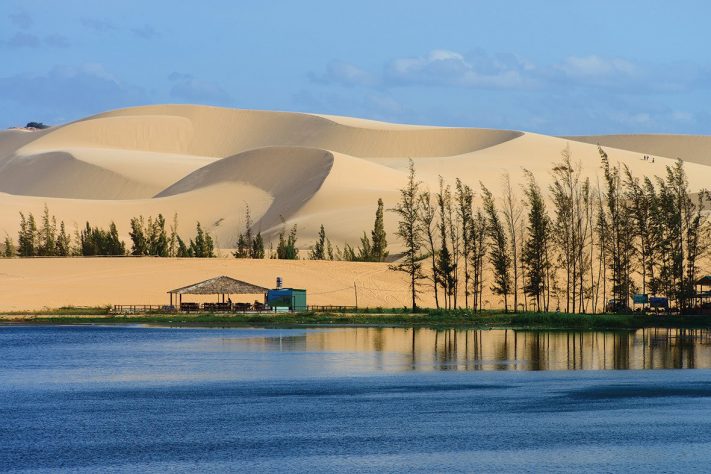
Vietnam-Mui-Ne-Bao-Trang-White-Sand-Dunes The night scene in Vietnam is evolving. The major cities like Ho Chi Minh City and Hanoi now boast a host of pubs, clubs and bars – the same goes for many tourist destinations such as Balong Bay, Phan Thiet and Mui Ne.
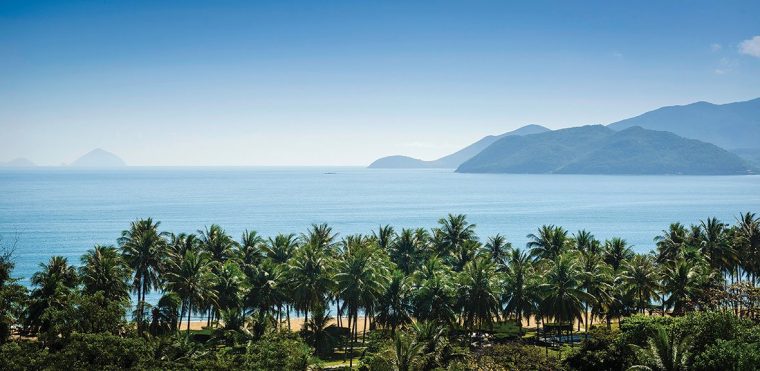
A night out in Vietnam is not particularly expensive; for a laidback experience, you can simply enjoy a Bia Hoi or affordable local draft beer at a roadside bar.

Nightlife in Vietnam is not limited to alcoholic drinks. There are also many beautiful cultural performances that showcase Vietnamese culture, like traditional dances and the famous Vietnamese Water Puppet Theatre.


Where to stay:


Sponsors:
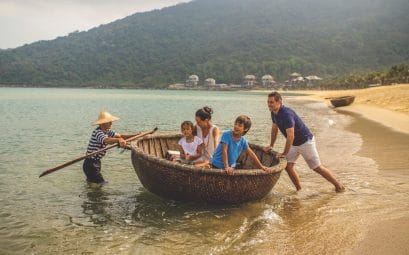
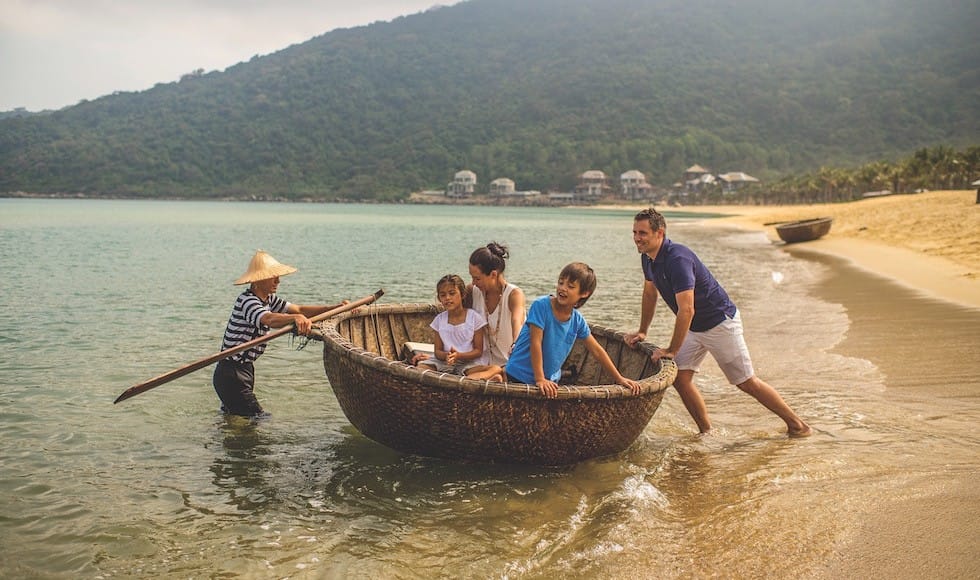
vietnam danang intercontinental danang sun peninsula resort basket boat ride

Things to Do In Vietnam

vietnam danang intercontinental danang sun peninsula resort basket boat rideShopping in Vietnam

Vietnam is a shopper’s paradise with its variety of quality goods at tempting prices, which are open to further bargaining at shops, stalls and shopping arcades everywhere. Take home a wide variety of handicrafts, including lacquerware, mother-of-pearl inlay, ceramics, bamboo products, jewellery, silk goods, intricately carved statues and paintings. Bespoke tailoring in quality silk and textiles is popular too, with many requests for the national dress ao dai.

Two popular Hanoi shopping areas are Hang Gai Street and Hang Bong Street, known for tailored garments, embroidered tablecloths, traditional hand-painted silk greeting cards, water puppets and antiques at a steal. Dong Xuan, Hanoi’s largest covered market, stocks three stories of t-shirts, trinkets and bags with Vietnamese snacks and desserts sold at its hawker stalls.

For shopping in Saigon, head down to Ben Thanh Market on Le Loi Street, the biggest and oldest market in Ho Chi Minh City with over 3000 stalls. Vietnamese arts and crafts on Dong Khoi Street are sold alongside a good mix of local boutiques and international brands which are also available at Windsor Plaza.

Places to Visit in Vietnam

A popular Vietnamese natural attraction is Son Doong (Mountain River) Cave, claimed to be the world’s largest cave. Phong Nha-Ke Bang National Park’s mountains are perfect for climbing and exploration, containing Vietnamese archaeological and historical relics.

Halong Bay, the imperial city of Hue, the ancient quarter of Hoi An and the My Son Sanctuary, the TrangAn landscape complex, central sector of Imperial Citadel of Thang Long in Ha Noi and citadel of the Ho Dynasty are other UNESCO-recognised sites.

Ha Long Bay, another UNESCO site, is the top tourist attraction in north Vietnam, Each of its thousands of islands along a 120 kilometer coastline is topped with thick jungle vegetation, resulting in a spectacular seascape of limestone pillars. Some of Halong Bay’s islands support floating villages, while others are hollow caves you can explore. Hoi An is an idyllic fishing village that’s also known as the “Venice of Vietnam” because of the narrow canals that cut through it.

40 kilometres from Ho Chi Minh City, Cu Chi Tunnels tours offer a history lesson about the Vietnam War. Visitors can crawl around in the safer parts of this immense network of connecting underground tunnels, which was used by Viet Cong guerillas and served as a base of operations for the Tết Offensive in 1968.

Sa Pa’s rice terraces offer a glimpse into the lives of the local mountain people. The Hmong, Giay, Dao, Tay and Giay grow rice, corn and vegetables the Muong Hoa Valley in this northwestern town.

Beach lovers can visit Vietnam’s Phu Quoc by the Cambodian coast, for its untouched coral reefs and sandy beaches. Nha Trang, the scuba diving centre of Vietnam, is a seemingly endless stretch of sugary sands and azure waters, making it Vietnam’s most popular seaside resort town.

Diving & Snorkeling in Vietnam

There are a multitude of Vietnam dive sites along its eastern coastline. From gentle sloping coral reefs rich in biodiversity to vertical dropoffs 50 metres deep, the coastal waters off Vietnam are great for diving trips.

Vietnam-Beach-Holiday Nha Trang is the starting point for many snorkel and dive sites in Vietnam’s side of the South China Sea. Expect a more temperate climate there. Southern Vietnam‘s tropical climate offers slightly warmer water temperatures with the Con Dao Islands and Phu Quoc Island as up and coming snorkeling destinations.

Con Dao, a group of islands and islets off Vietnam’s southeastern coast protected by Con Dao National Park, is the only snorkeling location where you can dive Vietnam’s waters with rays, turtles and dugongs, also called sea cows. Rare species of colourful coral and fish such as frogfish, paperfish and cowfish will also make your Con Dao dive trip worthwhile.


Where to stay:


Sponsors: