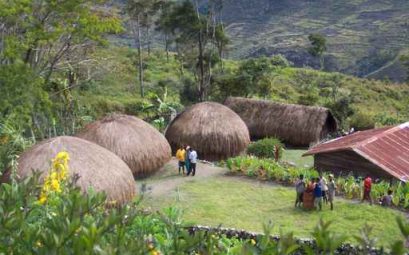
papua village

Exploring Papua New Guinea

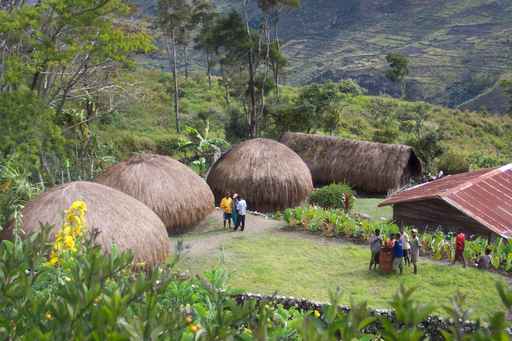
papua village
Papua New Guinea is one of the last unspoiled natural spaces in the world. The country is largely untouched by western civilization and is teeming with natural vegetation, plants, and animals. Towering volcanic peaks, beautiful beaches, pristine rainforests, mountains, and valleys. The world famous Kokoda trail, stretching for more than 60 km, is also located here. The trail snakes it way from the south (from Port Moresby) to Owens Corner in the North.

Mount Wilhelm is the highest mountain in Port Moresby, standing at 14,000 ft above sea level. There are two trails leading to the top and it can take you up to 3 days to reach there. If you visit Lake, don’t forget to visit the rainforest surrounding the city.

Close to the capital, Port Moresby, there is the Moitaka Wildlife Sanctuary. The park has a large collection of crocodiles. Other places to visit on Papua New Guinea are Kokopo War and Culture Museum. Located in Kokopo, this museum contains a large collection of World War 2 memorabilia such as weapons, artillery, and even tanks. Don’t forget to visit Bougainvillea island which is off the eastern coast of Papua New Guinea. Mount Balbi is located on this island. Mount Balbi is actually a volcano. There is a caldera here and it holds a stunning crater lake. Do engage a guide to visit the mountain.
Culture of Papua New Guinea

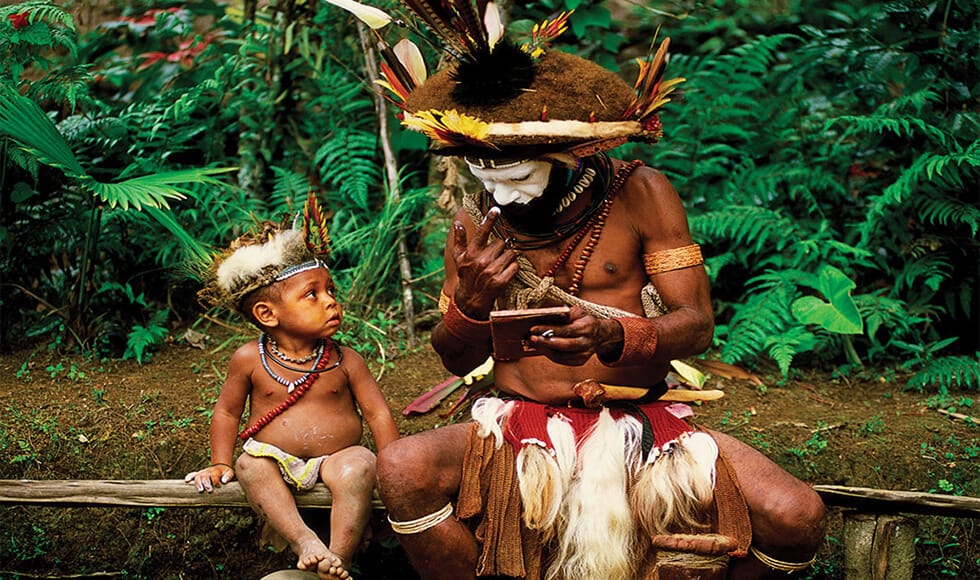
Papua New Guinea is an anthropologist’s dream come true. The country is home to hundreds of tribes. Between them, they speak upwards of 700 languages and dialects. The most popular languages in Papua New Guinea are English, Tok Pisin, and Hiri Motu. English is widely spoken but the country’s lingua franca is Tok Pisin.

Most of the country’s seven million people still live in the rural areas. Just 18% of Papua New Guineans live in cities. Even then, the Papua New Guineans are very hospitable and friendly and ready to help strangers. Do dress conservatively when in Papua New Guinea because it will help you fit in with the culture better.

When you visit the villages, you may be invited to meet the village chief. At that time, please remember to bow to the chief. If you fail to do so, it will be considered very discourteous. Note that personal space is almost non-existent in Papua New Guinea. Public display of affections is highly discouraged as it is considered crude.

Essentials item that must be brought when you visit Samoa

If you are in possession of a valid passport, you are entitled to a 30-day visa-free visit to Samoa. Furthermore, if you are from the Schengen region, then you can stay for 90 days. You can receive a visitor’s permit on arrival in Samoa for a period of 60 days – there are, of course, a bunch of conditions that need to be met. While arriving and leaving, you have to submit arrival and departure declarations. The local currency is called Tala. It is illegal to partake in business transactions in any currency other than the Tala. Samoa has tropical climate with average temperature of around 80 degrees Fahrenheit (27 degrees Celsius) around the year; October to March is the rainy season and the rest of the year is the dry season.

It should be noted that some travellers experience an allergic reaction to Kava. There has also been a Chikungunya outbreak in Samoa in January 2015. While Malaria does not exist in the country, Dengue fever does. Protecting yourself from mosquito bites, therefore, is essential. You can find one hospital in Savai’i (in Tuasivi) and two hospitals in Apai.

Transportation in Samoa

The Faleolo International Airport is the major point of entry into Samoa if you intend to fly in to the country. The airport is around 45 minutes away from Apia. Faleolo is well connected to Fiji, Australia and New Zealand. If you are flying in from the American Samoa, then you can fly in to the Fagalii airport. Arriving in the morning will give you brilliant views of Samoa. You can also get in to Samoa by a boat, which is operated by MV Tokelau, from Tokelau.

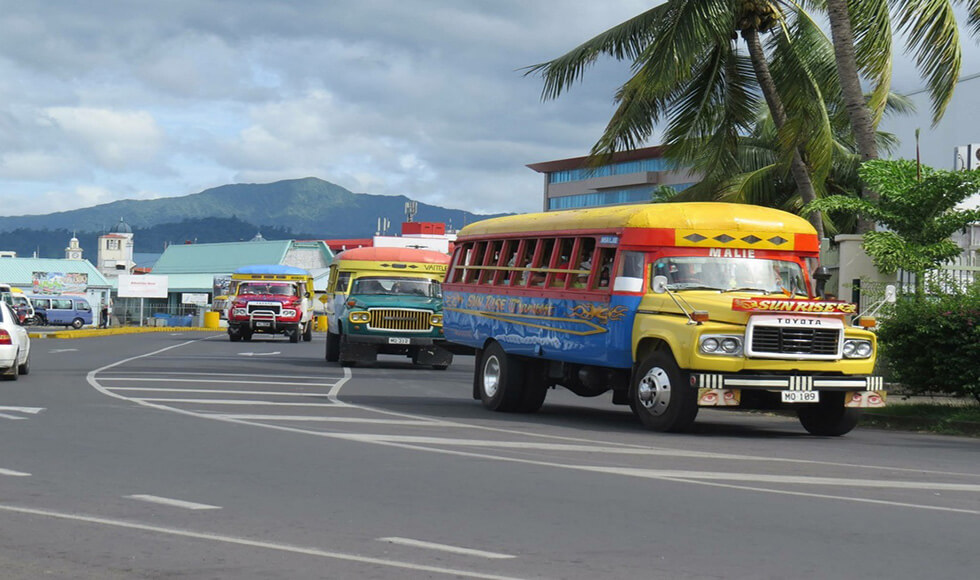
There are four main ways of moving around in Samoa. Note that from 2009 onwards, traffic has been moving on the left side of the road. Taxis are the best way to move around; they are inexpensive and are available in plenty. You can also rent a car, but you will need to first obtain a driving license; international license in not recognized. If you want a memorable traveling experience, then try riding a bus. There are no set schedules and buses leave only after they get filled. Buses are available on both Savai’i and Upolu. The other way to move around is by cycle; before deciding to cycle around, keep in mind that there are a number of steep uphill sections on both islands.

Things to do at Samoa

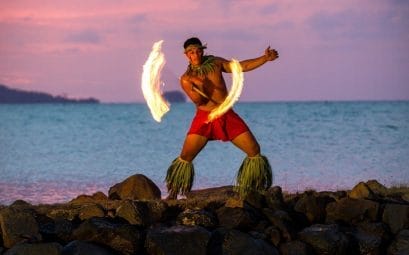
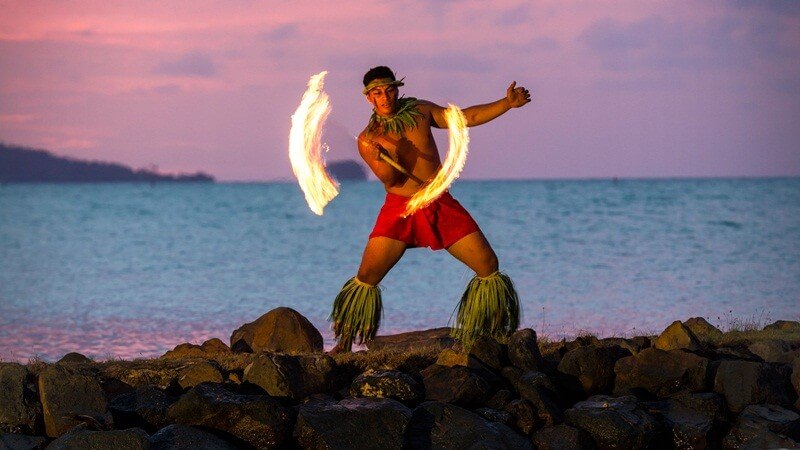
In Apai, at 6 in the morning of every Sunday, a fish market materializes. In this market, locals buy fish for the toano’i. A visit to the fish market can be quite an experience. When in Samoa, do go and see a “fia fia”, which literally means happy, and which Samoans construe as partying. During a fia fia, you get to witness traditional dancing, music and singing, drumming, as well as the fire-knife dance. Apia also has a flea market and a new market; both of them sell local handicrafts. Snorkeling and fishing are also good activities to undertake while in Apia.

In Savai’i, you can swim with turtles in the Satoalepal turtle reserve. If you are an experienced surfer, then beaches in Savai’i are good places to surf. You can also try your hand at diving. You can try surfing and diving in Upolu as well; note again that you should be an experienced surfer to try surfing in these waters. One other thing that you can partake in when in Upolu is golf – there are a couple of courses near Apia.

Samoa’s Cuisine

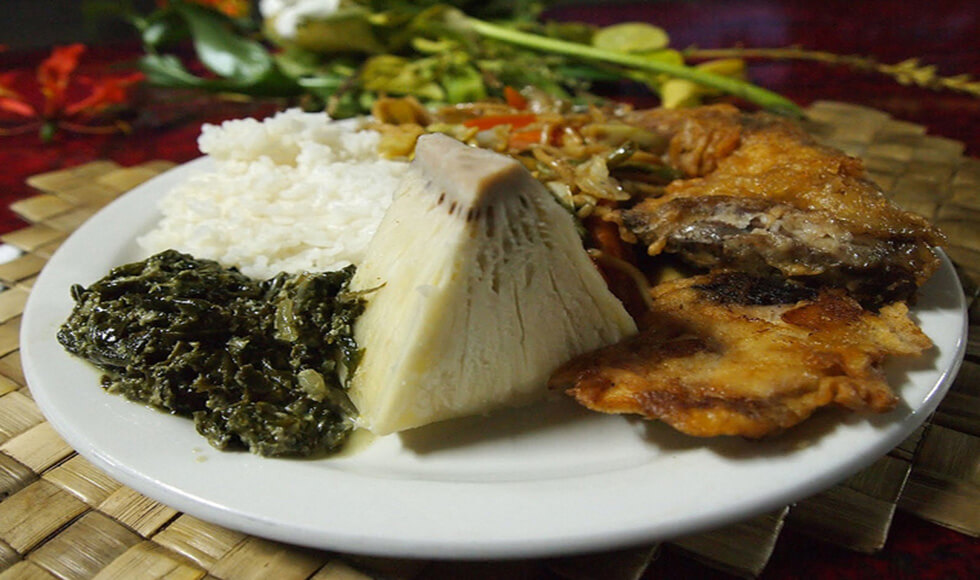
In Samoa, food brings friends and family together. Seafood, fruits and vegetables are the major food items. Some of the popular seafood include snapper, crayfish, octopus, masimasi and tuna. Most of them are caught fresh everyday for the meals. Yams, talo (also called taro), coconut, bananas and breadfruit are some of the fruits and vegetables that are cultivated on the island and used in preparation of food. Coconut, in particular, is used as an ingredient in many of the local dishes.

On Sundays, lunch, which is called toano’i, is a social event during which several families get together and eat food made in umu (earth oven). Meal includes a whole pig, an array of seafood items and baked taro. In traditional cooking, hardly any oil is used. There are two local delicacies that should be tried at least once. The first is called palusami – a dish, which has a rich taste that is made with taro leaves that are cooked in coconut cream. The second dish is oka – it is a raw fish, like tuna, and also cooked in coconut cream. There are two local alcoholic drinks that you can try: the Kava and the Vailima beer. Corned beef is also taken as an accompaniment to many dishes.

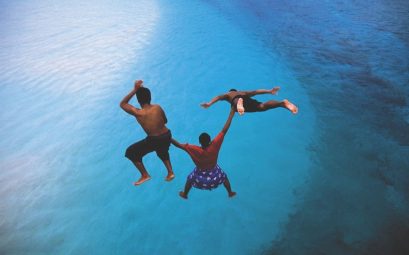
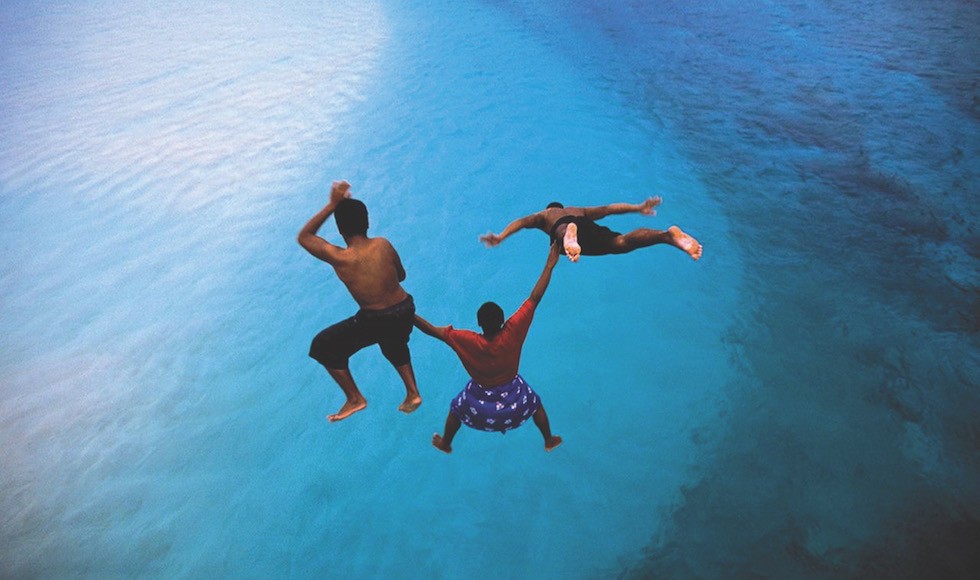
samoa diving into manu's island harbor

Exploring Samoa

samoa-diving-into-manus-island-harborSamoa is filled with places to explore – national parks, waterfalls, blowholes, caves, lava fields, traditional villages, beaches, and museums. In Savai’i, for instance, you can explore a kilometer long cave called The Dwarves Cave or a lava cave near Letui village called Peapea Cave. Alofaaga blowholes, which are near Taga (a village) are a must see. From Paia Village, a three hour long walk will take you to the lava fields of Mt. Matavanu. For history and archeology buffs, there is an attraction called Pulumelel Ancient Mound, which is Polynesia’s largest ancient structure. You can also visit the lava fields of Sale’aula as well as the Falealupo and the Tafua Rainforest Preserves.

In Upolu, the Lake Lanoto’o National Park is a good place to visit; it is home to a rare swamp forest ecosystem. If you are looking for beaches, then you must go to Lalomanu. In Apia, you can find the house and grave of Robert Louis Stevenson. Apia also houses the Museum of Samoa. Mt. Fito is Samoa’s highest mountain, having an altitude of 1100 m. The mountain is located in a national park called O Le Pupu-Pui. Other attractions include Piula cave pool and Manono Island.

Samoa and its Cultural Tradition

Almost all of the population of Samoa follows Christianity. The official languages of the nation are English and Samoan. Tattoos are also a part of the Samoan culture and these tattoos are different for men and women. The tattoos have a geometric design; men’s tattoos are called Pe’a whereas women’s tattoos are known as malu. Sunday is the day of worship and almost everything shuts down on this day. Samoan villages are very traditional; it is recommended that you do not walk through them on Sundays. Further, there is usually a half an hour long curfew (for prayer) at sundown everyday in a number of villages; avoid walking around during curfew.

The villages still have a chief, called matai and follow a number of traditions. It is best to comply with these; foreigners are, at times, given some amount of leeway but you should still not wear clothing which is revealing and should try to follow all the rules that are set in place by the matai. Apia, unlike other places in Samoa, is slightly less traditional and does not enforce strict etiquette rules. Nudity and even going topless (in the case of women) is not acceptable. If you find difficulty in deciding what to wear, try a lavalava, which is a traditional attire.

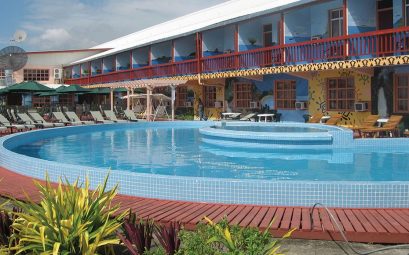
solomon islands honiara pacific casino hotel main swimming pool

Essentials

Citizens of all other countries need a passport and a visa to enter Solomon Islands. Citizens of many countries can get visa on arrival, while others need to apply in advance. Check in advance to know what you are eligible for and plan accordingly.

The climate is mostly the same through the year. It is very humid with temperatures averaging 27 degree Celsius. Check the temperatures in the region that you plan to visit as there are a few places which experience extreme temperatures at times. November to April is where it rains more than usual while June to August is relatively cooler. The cooler season is also when most travelers visit the country.

The official currency of the country is the Solomon Islands dollar (SBD). There are ATMs across the country where you can withdraw local currency or you can exchange at one of the many forex places. Australian dollars are accepted in a few hotels and establishments.

Malaria is still quite rampant in the region, so it is advisable to carry adequate medication and mosquito repellants when you go. You should use mosquito nets while sleeping and keep yourself covered during dusk.

Comprehensive travel insurance is required when visiting the country. As theft is a major issue, avoid walking alone after dark and stay away from very crowded places as much as you can.

Transportation in Solomon Islands

There are many ways of getting to the country with flights being the fastest and most popular mode of transport for travelers. You can fly and to and from anywhere in the world to the Solomon Islands, except Fiji, which suspended connections due to a dispute. The international airport is located just 8 kilometers outside the capital city of Honiara.

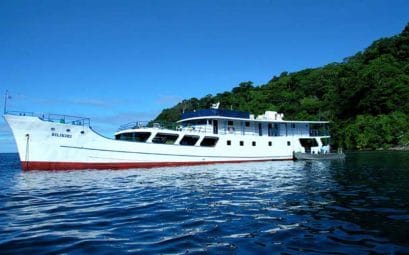
You can also take cruise ships to the Islands. However, these cruises are part of packages and are not be used as a one-way transport to the country. There are canoes and boats that can be hired to travel from Papua New Guinea to Solomon Islands, although safety concerns are high in these services.

While in the country, Solomon Airlines offers domestic flights connecting all the major islands and cities in the archipelago. You might need to book flights in advance if you have a very tight schedule for your trip in the country.

Boats ad ships are the most commonly used form of transport by locals in the country. You can take a ship from island to island. The ships are basic but have washrooms, snacks, and beverages on board. 360 Discovery, Pelican Express, and Fair Glory are some of the services that offer ferry and transport services between various islands.