Micronesia POHNPEI Hotel Waterfall

Pohnpei’s Story

Situated in the northwestern Pacific, it is 880 meters high, 21 kilometers wide and shaped somewhat like a circular tent. Also known as the garden island of Micronesia, its boldest landmarks are Sokehs Rock and Nan Madol.

Nan Madol is an ancient stone city built on the tidal flats of the eastern part of Pohnpei. There are approximately 100 artificial islets constructed of basalt logs of various sizes up to 70 tons each – making Nan Madol the largest and one of the most mysterious archaeological sites in the Pacific.

The first European to visit the island group was Spaniard Diego de Rocha in 1526. The islands were originally called the New Philippines until 1696 when they were renamed the Caroline Islands. Occupied by Spain, Germany, Japan and the USA, Pohnpei experienced 100 years of a foreign rule because it proved to be an ideal supply stop for the Pacific expeditions.

Pohnpeian is the native language, however; both English and Pohnpeian are used in business.

Archaeologists and engineers are attempting to discover more about the race which constructed the island city of Nan Madol. The stone fortress was built on a reef south-east of Temwen Island by the rulers of Pohnpei around 500 AD until it was taken over by Isokelekel, the warrior who installed the present traditional system in the 1520s.

Palau’s Cuisine

Palau's Cuisine

PALAU’S CUISINE


Food in Palau

The main island of Koror caters to a range of tastes, including Korean, Chinese and Western cuisine, which is preferred amongst the younger generation.

Palauan cuisine incorporates local foods like root vegetables, fish and pork. The nation’s Filipino immigrants spiced up the indigenous cuisine with their own. For a truly local mealtime experience, you can also partake in the chewing of betel nuts or try out refreshing alcoholic drinks made from the Kava plant and coconut.


Palau Nightlife

Palau may not have a thriving night scene but there are nightspots to kick back and knock back a few of the local Red Rooster beers. Little rustic bars at dive shops offer excellent spots to watch the sunset from.

Malakal has an impressive number of nightlife venues, ranging from al-fresco cocktail lounges to pool halls, some with live entertainment or karaoke. For more adventurous nightlife in Palau, hop down to the dance clubs in Malakal’s port area that teem with younger Palauans. Most places open till 2am.

For more information contact

Palau Visitors Authority
Address: PO Box 256, Koror, PW 96940
Phone: +680-488-2793/1930
Email: pva@pristineparadisepalau.com
Website: www.pristineparadisepalau.com
Fax: +680-488-1453


palau carp island resort diving

Things to do in Palau

Things to do in Palau

THINGS TO DO IN PALAU


Shopping in Palau

Koror offers a selection of modern shopping facilities in Palau. Locally handicrafts can be found at markets and gift shops and storyboards, or carved portraits depicting historical or mythological Micronesian scenes onto pieces of wood, are Palau’s most well known art form. Wooden carvings of bai models, canoes and figurines called dilukai are also available as Palau souvenirs, together with hats and mats woven from pandanus leaves, baskets and jewellery.

Branded goods are found at Suangeur Shopping Centre, though these international products are significantly pricier than in the United States and Europe. Major brands of diving gear are can also be found at all Palau dive centres.

Buying of endangered or protected marine animal products is prohibited, so beware of shops that try to sell them.


Places to Visit In Palau

The diverse Palauan archipelago encompasses the southern high islands of Babeldaob, Koror, Peleliu and Anguar; the coral atolls of Kayangel and Ngeruangel to the northeast and over 500 limestone Rock Islands. All the islands are encased in a single barrier reef, except for Kayangel, Ngeruangel and Anguar.  Only eight islands are populated.

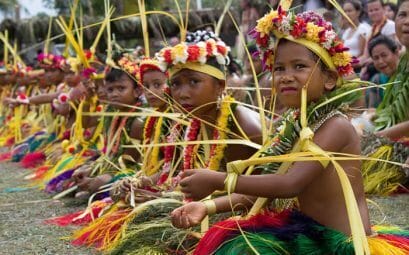
Unearth a plethora of flora and fauna as you trek through Babeldaob’s lush forests and feast your eyes on its majestic waterfalls. Koror allows you appreciate the beauty of the islands from its highlands, and is home to the only Shinto Shrine outside of Japan, a solemn reminder of the Japanese occupation in WWII. Get a history lesson and view island artefacts on display at the Etpison Museum and the National Museum – the latter was founded in 1955 and is the oldest museum in Micronesia. On special occasions, there will even be native dance performances by Palauan women in grass skirts.

Venture beyond Koror for more sights and adventures, from ancient rock paintings in Ulong Island’s caves, to sugary beaches and monuments on Peleliu and spouting blowholes on Angaur.


Diving & Snorkeling in Palau

As one of the world’s most popular scuba diving and snorkeling destinations, Palau’s diving spots draw in tourists with their coral reefs, blue holes, hidden caves, vertical drop-offs and a huge mix of marine creatures, including evolutionary miracles like giant clams and stingless jellyfish.

These jellyfish, in particular, can be found during dives at the enclosed Jellyfish Lake in the Mecherchar Island group. Naturally protected from predators, they have lost their venomous stingers – much to the delight of snorkelers who flock to the lake for the surreal experience of being surrounded by them. Long Island Park and Nikko Bay are just two other great snorkeling areas in Palau offering interesting underwater views. The Blue Corner, German Channel, Ulong Channel and Blue Holes are well-known dive sites, where each new trip brings a completely different experience because of their biodiversity and underwater landscape.

For more information contact

Palau Visitors Authority
Address: PO Box 256, Koror, PW 96940
Phone: +680-488-2793/1930
Email: pva@pristineparadisepalau.com
Website: www.pristineparadisepalau.com
Fax: +680-488-1453


vschulte palau

People & Culture

People & Culture

PEOPLE & CULTURE


People in Palau

Palau is divided into 16 states with an individual clan system where Ngerulmud on the island of Babeldaob is Palau’s capital and Koror being the most inhabited. Palauans, a mixture of Melanesian, Micronesian, Austronesian, Japanese and Filipino descent, are hospitable and friendly.

Indigenous forms of ancestral and spiritual worship were replaced by Christianity when missionaries arrived on Palau. Today, 65 percent of the 21,000 Palauans are Roman Catholics while the remainder practise Christian denominations, Shinto, Buddhism and Chinese folk religions.


Languages in Palau

Palauan and English are the country’s two official languages, except for two states: Sonsorol and Hatohobei, where the official languages are Sonsorolese and Tobian respectively. Many islanders are fluent in Japanese and Tagalog as well.


Design & Architecture

The community meetinghouse, bai, was a mainstay of politics, society and culture in Palau’s tribal past. Today, many Palauan buildings feature the decorated bai gable, or canopy. While the bai still exists in villages, Palau is heavily urbanised, with many large, air-conditioned buildings.

Another common design feature from archaic times is a quartered circle representing wealth and a half-shell symbol, which represents Palauan lore about the creation of humanity from the sea. It is also common to see images of the traditional Palauan mother and child that symbolise wealth and fertility in the country’s matriarch-dominant society.


Cultural & Legal Restrictions

Following a clan-based organisation from its chiefly past, Palauan society strictly adheres to a matrilineal system in almost all aspects of life, like marriage, inheritance and funerals. Senior females – and by default, their relatives – are respected and hold high positions of power with regards to decision-making, compared to men.

Today, elders and leaders are still held in high regard, to the extent that they are served specific foods to designate their positions. Do take note that the head is considered a sacred body part and should not be touched – even as a sign of endearment for small children.

Strict restrictions exist for the consumption of alcohol and drugs. Clan leaders are working together with the government to control the alcohol and drug use that is rampant especially amongst youths.

For more information contact

Palau Visitors Authority
Address: PO Box 256, Koror, PW 96940
Phone: +680-488-2793/1930
Email: pva@pristineparadisepalau.com
Website: www.pristineparadisepalau.com
Fax: +680-488-1453


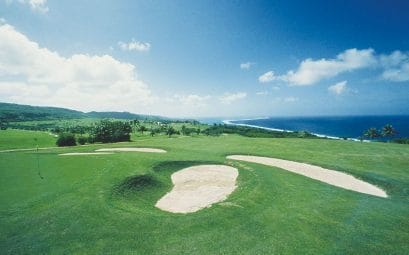
micronesia northern mariana islands mariana resort and spa golf course

Exploring Northern Mariana Islands

In the Northern face of Saipan islands, there are many world war two memorials to Japanese soldiers who reportedly jumped off the cliff and committed suicide to escape capture by the incoming American Marines.

There are many famous dive spots close to the islands such as The Grotto on Saipan and Eagle Ray City. The Grotto is a limestone cavern and it has been voted as the number two diving spot (cavern) in the world. Eagle Ray City is another unique diving spot. On a good day, the spot contain more than 40 Eagle Rays. Sometimes, they will come so close to you that you can almost touch them. Other diving spots are Fleming, Twin Coral, Dump Cove, Senhanon Cave and Sub Chaser.

The American Memorial Park, Mt. Tapochao, Forbidden Island, Obyan beach, Last Command Post Park, Taga Beach, the Garapan Street Market are some of the other places worth visiting when in the Northern Mariana Islands.

Unforgetable Yap’s Activities

The dancing and clubbing in Yap is confined to resorts and hotels. But there is plenty to do in Yap other than such indoor activities. There are many organized activities for kids such as Kids Sea Camp (28h June to 5th July). Family packages include marine life conservation lectures, scuba diving lessons, cultural trips and the likes. Every year on the 1st of March, islanders celebrate Yap Day, which can be a feast for kids and families as it is a big cultural extravaganza. In June, they celebrate Homecoming and in November, there is a Canoe festival.

Go for island tours and see the famed Yap money. This circular stone money disks were once used as a means of exchange and now can be found all over the island. There are beautiful beaches where families can enjoy Pacific waters in all of its glory. You can take a picnic basket to the beach, swim in the sea and simply enjoy the bliss found in this gorgeous island of Yap.

Famous Yap’s Cuisine

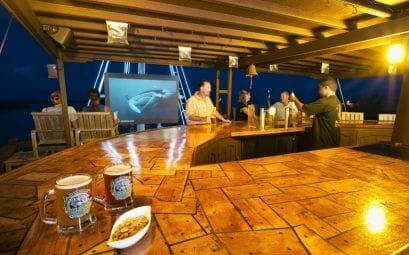
There are several restaurants in Yap serving traditional and international cuisines. Manta Ray Bar and Grill is the most famous of all for its location as it is situated atop a schooner. Most restaurants in Yap are in the capital Colonia. Juhn’s Oasis Restaurant serves American and Filipino delicacies and also delicious baked goods. Ganir Restaurant is the place to enjoy some local flavors.

When in Yap, one can enjoy a delicious bounty of fruits such as coconuts, wild apples, breadfruit, sour sop fruit, mangoes, pineapple and star fruit. Even the banana found on the island is more nutritious than the usual ones found elsewhere especially the Karat variety and are used for infant foods. Seafood is, of course, popular here and tourists can eat their fill of crabs, shellfish and other fish varieties. Chicken and pork are also used for local dishes.

micronesia yap manta ray bay resort diving

Explore Yap

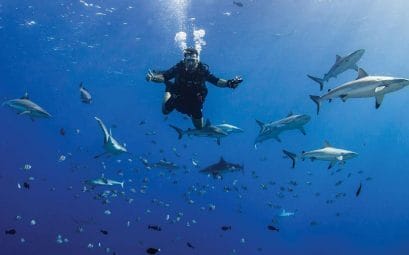
Yap is an ideal destination for families with kids as there is plenty to do and see here. It is well known destination for diving and experiencing the rich marine life of the Pacific such as the trevallys, mandarin fish and nudibranchs. In fact, people especially come to Yap to swim with the manta rays. The coral reef in the region is also a delight for snorkelers.

Enjoy kayaking in the region where you can pass through the mangrove forests while navigating through the canal. For the adventure-loving kids, there is traditional canoe sailing where you can explore the inner lagoons. There are also several biking and hiking trails on the island, which are safe activities to do with kids. The trails and biking paths are well-maintained and offer great scenery of the island. For those who love fishing can enjoy catching rainbow runner, red snapper, skipjack tuna and barracuda.

papua new guinea port moresby

Activities in Port Moresby, Papua New Guinea

Port Moresby is located at the edge of the Papuan Barrier Reef, which is full of wonderful diving sites. There is a dive center on Loloata Island where you can rent diving gear but you have to be certified diver.

There are a number of nightclubs in the city. Some of the better-known ones are the Royal Papua Yacht Club, the Cosmopolitan Club, and the Gold Club. Please go with a partner for safety. Gambling is legal in Papua New Guinea (legalized in 2007), so there are a number of casinos and gambling houses in the city. Even then it is better to stick to the larger, reputable casinos.

Other interesting places nearby are Sogeri Plateau (which is the end of the infamous Kokoda Trail) and Yule Island. Yule Island has located two hours away from the city. The place has a distinct Catholic influence and is good for a quick getaway. They also serve great seafood on Yule island.

Port Moresby’s Cuisine

The staple diet of the Papua New Guineans consists of starchy vegetables like taro, sweet potato, breadfruit, wild sago, and yams. Hotels and restaurants do serve western food (especially those that cater to tourists), so getting a good western meal won’t be a problem. The food is super cheap though the alcohol is expensive.

Some good restaurants in Port Moresby are Daikoku (Japanese), Crowne Plaza (Mediterranean), Royal Papua Yacht Club (Australian), Asia Aromas (Chinese). As you can see, the food choices are quite cosmopolitan.

As for alcohol, the choices are very limited though you can get some Australian and New Zealand brands. The local drink is the South Pacific lager or SP lager. Even better is the SP Export lager or Nuigini beer. Note that alcohol prices are a bit high because it is heavily taxed. If you want to have a drink in the city, we recommend that you either bring drinks back to your room or visit your hotel bar or a sports bar.