marche vietnam

Vietnam People & Culture

marche vietnamPeople in Vietnam

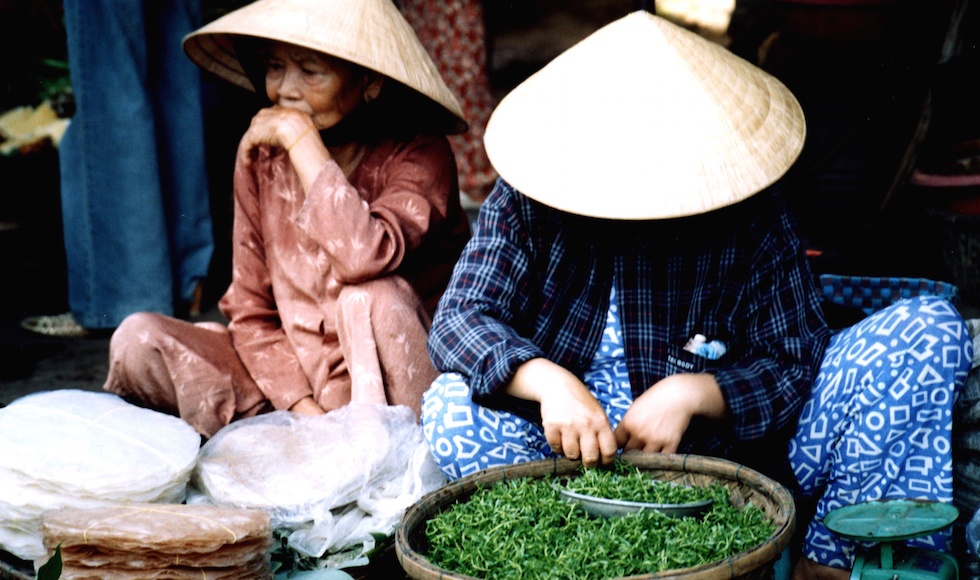
Over 90.5 million people live in Vietnam, a population almost exclusively made of indigenous Viet (Kinh) people, with the remaining 10 percent made of 53 other ethnic groups such as the Cham, Chinese, Hmong, Tay, Nung, Muong, Khmer, Ede, and Hoa with a sprinkling of expats in urban areas.

Ho Chi Minh City and Hanoi are the most densely-populated but most of the population reside in rural areas.

Apart from Buddhism, Christianity and Islam, indigenous religions that emerged during the colonial period, Cao Dai and Hoa Hao, have their followers. As such, Christian churches, Buddhist temples, and spirit shrines are a common sight all over Vietnam.

Languages in Vietnam

Vietnamese is the official language and most widely-spoken in Asia’s eighth most-populous country. Northern and southern dialects differ slightly and each variant is an important symbol of regional identity in social contexts, while ethnic minorities speak their own indigenous languages. English is the most commonly-learned second language.

Design & Architecture

Vietnam’s architecture reflects different phases of its history. The Citadel and other imperial structures, like the mausoleums of former emperors are remnants of the Vietnamese monarchy in the city of Hue, capital of the Nguyen Dynasty. Designated as World Heritage Sites, these have undergone extensive renovations to repair the damage received in the 1968 Tết Offensive.

A legacy of colonial architecture in public buildings and private homes was left by the French in Hanoi, Hue and Saigon during their century-long Occupation from the 1850s.

New architectural variations with American-style buildings and concrete dormitory housing have since emerged.

Vietnamese rural villages in the lowland river deltas see family compounds featuring one or more rectangular houses made of brick and mortar in clusters of nuclear or semi-nuclear settlements, mostly used for drying rice amidst agricultural fields. You might see dense stands of bamboo that demarcate boundaries between villages. Ethnic minorities in the highlands live in thatched houses or homes raised on stilts, with demarcations by age or gender. Thatched houses are also a common sight in the poorer central provinces of Nghe An and Quang Binh. In the lowlands, a variety of sacred spaces, such as Buddhist temples, spirit shrines, lineage halls and sacred spirit’s altars, can be found in villages.

Cultural & Legal Restrictions

Monuments of the war and revolution are present in nearly all lowland communities; these include cemeteries and cenotaphs in towns and villages as well.

Polite behaviour is highly valued, especially towards one’s elders and the Vietnamese use hierarchical terms of address in conversation. The common salutation, “chao”, should be first issued by younger people, who should also invite their seniors to eat before they do, ask for permission to leave the house and not speak in a domineering or confrontational manner with them.

Close physical proximity (including behaviour like hand-holding) is common between people of the same gender, but not between unmarried or unrelated males and females. Most Vietnamese avoid standing in queues, resulting in very little personal space as people jostle and press up against each other in public spaces. Modesty in terms of mannerisms and dressing is generally encouraged.

Communist paraphernalia purchased in Vietnam may be frowned upon when displayed publicly outside the country, so purchase such souvenirs at your own discretion. Sensitivity should also be exercised when talking about the Vietnam War, during which over three million Vietnamese lost their lives.

Where to stay:


Sponsors:
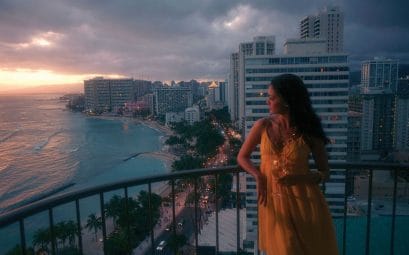
hawaii oahu waikiki beach marriott resort and spa sunset

Activities in Hawaii

The island is full of shopping malls, so you will be spoilt for choice when it comes to shopping. You can buy international brands as well as local garments like aloha shirts and skirts, as well as a number of locally made accessories and trinkets. There are waterfront marketplaces and flea markets if you wish to go shopping without going away from the beaches. There are also some themed contemporary retail malls and galleries that you should check out while in Oahu.h activities to avoid problems.

If you do not feel like doing much while in Oahu, you can simply head to the beach, lounge around next to the sparkling ocean, enjoy local food or a nice drink, and watch the sunset on the island. All the shopping and tourist areas are well connected by public transport.

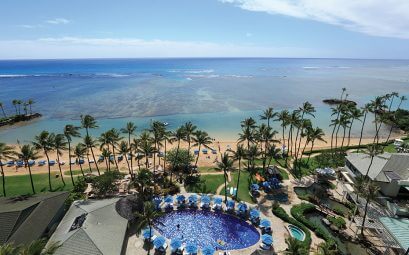
hawaii oahu the kahala hotel and resort seaview

Hawaii’s Culture & Night Life

Hawaiian Food

Just like the language and culture, Hawaiian food is a fusion of native flavors and cooking techniques in a mixing pot of the various foreign influences that have historically impacted Hawaii. Many restaurants in Hawaii offer Asian and continental food while fresh produce, seafood, and meat can all be obtained from native plantations and ranches.

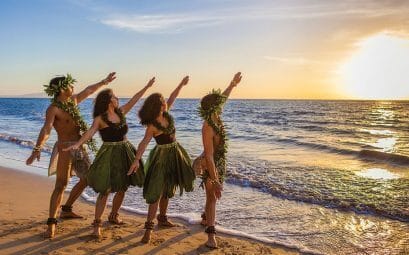
Affordable local Hawaiian meals are usually served as plate lunches, usually consisting of meat or fish with scoops of rice and pasta salad. Food trucks are also popular among those who want cheap and good meals. A traditional Hawaiian luau buffet feast serves up dishes like poi (ground yam), kalua pork (a whole pig wrapped in special herbs, baked in an underground oven), marinated shellfish or octopus. Enjoy your Hawaiian food excursion amidst a chilled out ambiance with Polynesian music and hula dance.

Hawaiian Nightlife 


Hawaii is as vibrant at night as it is in the day. After a glorious sunset, the islands come alive as visitors head out for cocktails and authentic Hawaiian cuisine at restaurants and resorts. Kauai is perfect for those seeking a laid-back bar scene.

Oahu has the most vibrant nightlife scene out all the islands. You can expect exotic drinks, great food and live music at a huge range of bars, restaurants, lounges and clubs lined up from Waikiki to Downtown Honolulu. Similar experiences can be found on the Big Island, where you can also enjoy out-of-this-world outdoor nightlife activities, such as scuba diving on the Kona Coast and stargazing on the peak of Maunakea, the largest dormant volcano in the world. For the lovebirds, Maui offers plenty of dining options under the moonlit sky in Wailea. Party animals will love Kihei and Lahaina, where they can dance the night away.

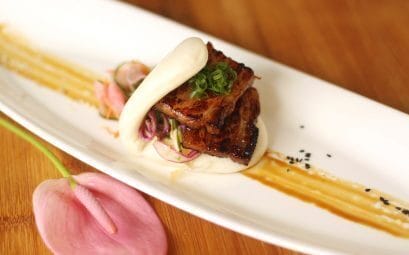
hawaii maui kaanapali beach hotel tiki terrace asian pork bun

Hawaii’s Cuisine

Going To Hawaii

Many airlines, including low-cost carriers, have non-stop flights to Honolulu from most major airports in the United States. The island of Oahu is where most US and international flights land in Honolulu. You will need to book an inter-island flight if you’d like to go to a Neighbour Island (anything outside Oahu). You can also travel between islands on a Hawaiian cruise ship.

Accommodation in Hawaii

Backpackers, couples and families will be pleased with the wide array of Hawaii accommodation options located all over the Islands. From 5-star luxury hotels to condos and hotels, there is definitely an option for every budget. Campsites are also available in National, State, City, and County Parks. The rise of ecotourism, which promotes sustainable tourism activities to conserve Hawaii’s natural resources, has spawned many eco-lodges and resorts where you can be assured of an environmentally friendly stay in Hawaii.

Getting around Hawaii

You are advised to plan for at least a three-week long stay if you want to visit all the Islands. Make the best of your sightseeing time by flying domestic. You could also book a helicopter sightseeing tour to explore the otherwise inaccessible parts of Hawaii. Charter boats and cruises sail between some islands as well. A ferry connects Lanai, Molokai, and Oahu to Maui.

On land, limousines, cabs, and coaches are easily available. Oahu is the only island with an extensive island-wide bus service route. Vehicle rentals are available but not necessary in Honolulu due to its established public transport system. Do be careful when driving at night, as roads between towns can be narrow and poorly lit. For those who prefer to go off the beaten path, you can hire a bike and start exploring smaller towns.

Hawaiian Currency 

The Hawaiian currency is the US Dollar. Tips up to around 15 percent in restaurants and 10 percent in taxis are expected. Generally, tour guides also appreciate a few dollars of gratuity per person.

Entry Requirements

Visitors to Hawaii require a valid passport or valid travel document with sufficient validity. Anyone entering Hawaii directly from a different country needs to meet the same entry requirements for the United States. Visa requirements vary for different countries of origin, so be sure to check here. To apply, face-to-face interviews with a US embassy or consulate is mandatory for nearly all nationalities, except for those from the 38 countries within the Visa Waiver Program, Canadians, Mexicans holding a Border Crossing Card, Caymanian, Bermudians, Turks and Caicos Islanders with British Overseas Territories passports.

Hawaii Climate

Year-round temperatures are similar in the Islands, ranging from 18°C to 30°C. The weather is appropriate for summer clothes and you should probably also throw on a few layers of sunscreen for good measure, when at the beach. Do later up for mountain hikes as it can get quite chilly in the highlands. It is common for the weather in Hawaii to vary even over short distances. Travelers should take note of the wetter season that runs from October to March.

hawaii maui the maui sunseeker lgbt resort sunset

Things to do in Hawaii

Shopping in Hawaii

With their special, refreshing fragrances, locally made shower bath & body products like body lotions, oils, and soaps made from Hawaiian ingredients make for great souvenirs from your holiday trip to Hawaii. Also exclusive to Hawaii are sandals, bags and wall ornaments made from Lauhala leaves. Other great finds include the quintessential floral aloha shirts, muumuu (loose cotton dresses with prints), woven hats, handcrafted feather headbands, hand woven cloth, capes and bags with gorgeous Hawaiian applique designs or copies of traditional Hawaiian instruments made from stones, shells, bamboo, gourds, seeds, and lumber.

Shuttle buses from key locations take you to malls like the Royal Hawaiian Centre and Ala Moana Shopping Centre in Waikiki. Suss out interesting buys at markets like the Aloha Tower Marketplace on Honolulu Harbour and the International Market Place, where there are outdoor performances and restaurants. For branded outlet shopping, head down to Waikele Premium Outlets for a wide variety of luxury, fashion, sporting and lifestyle brands.

Places to Visit In Hawaii

Tourism is restricted to the southernmost islands of Oahu, Maui, Kauai, the Big Island, Molokai, and Lanai. Rich in biodiversity and famous for abundant wildlife, tropical fruits, floral and fauna, each island offers something for every tourist.

The populous island of Oahu is perfect for those who want to experience island life while retaining city comforts. Many rainforest and eco trails present Hawaiian hiking opportunities in close proximity to the famous Waikiki Beach. Waikiki snorkel trails and shark snorkel dives are popular, together with other Hawaii dive trips. Take in famous sights like Diamond Head and the Dole Plantation, or revisit history with the famous Pearl Harbour Tours. Cultural activities at the Polynesian Cultural Center also make for a great way to learn more about Hawaiian culture.

For a more relaxing pace, head to the other neighboring islands to really unwind against a backdrop of natural wonders, like Haleakala, a 3000-metre dormant Hawaiian volcano. Take the road to Hana, one of the most scenics on Maui. Journey over bridges, past waterfalls and end up at the majestic Oheo Gulch Pools (“Seven Sacred Pools”). If Hawaii’s hiking trails are your thing, navigating Molokai’s scenic cliff trails on the back of a mule can be a thrilling yet rewarding experience.

Book a Kauai helicopter trip or explore it on foot to take in the true beauty of Waimea Canyon and several magnificent Hawaiian botanical gardens. This unbridled, carefree island has been featured in many films over the past twenty years. The same goes for the Big Island, where you can fly over an enormous volcano while feeling the heat radiating from the center of its core at Hawaii Volcanoes National Park.

Water Sports, Diving & Snorkelling in Hawaii 

Hawaii is synonymous with beach and water sports, with surfing being practiced with an almost religious zeal.

Jet skiing, parasailing, kayaking, scuba diving and snorkeling are commonplace in Hawaii tourist areas too. Plunge into the depths of Cathedrals, Lanai’s top diving spot with up to 21-metre deep pinnacles and caverns caused by the coral formations there.

A great snorkeling spot at Maui is the Molokini Crater, a partially submerged volcanic crater. Also, don’t miss Hawaiian humpback whale watching the season from mid-December to mid-April. Perhaps you might spot the giant humpbacks as they migrate to Hawaiian waters for birthing. Embark on a dolphin tour and get the rare chance to swim with live dolphins in their natural habitat at the Big Island.

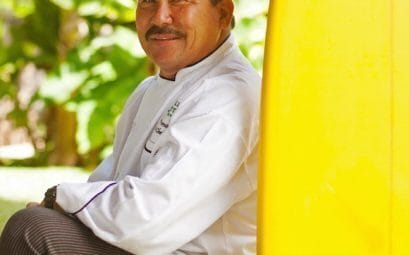
hawaii maui kaanapali beach hotel chef tom muromoto

Hawaiian People & Culture

People in Hawaii

Since first native Polynesian arrived between the fourth and fifth century, Hawaii’s population has grown to about 1.4 million.

There is a diverse mix of ethnicities, ranging from White Americans, Asians, natives, African Americans, Hispanics and Latinos to American Indians and Alaskan natives. In fact, Hawaii has the highest percentage of Asian and Multiracial Americans and the lowest percentage of White Americans, compared to any other state.

Languages in Hawaii

In Hawaii, the official languages are Hawaiian and English. However, the latter is more commonly used all over the Islands, with only a small fraction of the total population speaking the Hawaiian language. Hawaiian belongs to the Austronesian language family, bearing similarities to other Polynesian languages like Tahitian and Māori. Other minority languages spoken include Spanish, Tagalog, German, Portuguese, Italian, Chinese and Japanese.

Many natives also speak Hawai’i Creole English (HCE) or “Pidgin” as a second language. HCE deviates structurally from standard English and its vocabulary contains words borrowed from Hawaiian, Japanese, Portuguese, Chinese, Tagalog and Ilocano, thanks to the spike in immigration in the 19th century.

Design & Architecture

Hawaiian architecture paints a vivid picture of Hawaii’s evolution into the multicultural society it is today, with the influx of various influences from beyond its borders at different points in time.

The earliest form of Hawaiian architecture originated from the grass shacks of ancient Hawai’i, which indicated social status, skill, profession and wealth based on building material. Now, New English and European influences are prevalent in buildings like the Cathedral of Our Lady of Peace and Kawaiha’o Church, which were built using coral reef blocks from regions like Ala Moana and Kaka’ako, in addition to other building materials readily available on native soil. Other European architectural styles also reflected in landmarks and monuments include Gothic (e.g. Royal Mausoleum, Aloha Tower), Renaissance (e.g. ‘Iolani Palace) and Romanesque (e.g. the buildings of the Bernice P. Bishop Museum).

Many downtown Honolulu office buildings feature an American form of Bauhaus architecture – most notably, the Hawai’I State Capitol, which combines the clean open structure of the Bauhaus style with Hawaiian treatments, such as koa wood doors and the capitol dome inspired by the Hawaiian Islands’ volcanic origins. Also bearing such native motifs are the First Hawaiian Tower and First Hawaiian Center, which are recent inroads into creating a skyscraper skyline.

Residential homes on the outskirts, as well as buildings like the Ala Moana Centre and Hawaiian Village Hotel, reflect a contemporary adaptation of Hawaiian plantation architecture, perhaps the most famous style exported globally. 

Cultural & Legal Restrictions

Hawaii’s most distinctive feature the characteristic, almost familial warmth of its locals that complements the island’s balmy climate. The resultant cheerful, laid-back “hang loose” atmosphere also extends to attire. Shorts are acceptable around the Islands but you are advised not to go bare-chested or barefoot unless at the beach. Skinny-dipping is strictly illegal as well.

It is also recommended that you do not assume that all residents consider themselves “Hawaiian”; the term is usually reserved for descendants of the native aboriginal people of Hawaii. To be safe, Hawaii residents could simply be referred to as “islanders” or “locals” instead.

The religions practiced in Hawaii are as diverse as its multitude of races. Most locals are Christians; other religions include Buddhism, Judaism, Islam, Hinduism, Sikhism, and Daoism, amongst others. Ancient Hawaiian religions are also practiced in many heiaus (temples) all over the Islands. An example is Ho’oponopono, an ancient healing philosophy of forgiveness and reconciliation with prayer.

Due to Native Hawaiians and the large Asian population, cultural differences exist between Hawaiian and general American etiquette. For instance, you must remove your footwear prior to entering an islander’s home, just like in many parts of Asia. People display a strong connection to nature, often attributing spiritual qualities to the land – as observed in the urban legend that removing volcanic rock from Mauna Loa or Kilauea will anger the goddess Pele and cause misfortune to befall the offender. In any case, taking rocks, plants or other natural “souvenirs” from national parks and reserves is illegal.

With the largest population of lesbian, gay, bisexual and transgender adults in the country, Hawaii is the 15thstate to legalize same-sex marriages.

Going To Hawaii

Many airlines, including low-cost carriers, have non-stop flights to Honolulu from most major airports in the United States. The island of Oahu is where most US and international flights land in Honolulu. You will need to book an inter-island flight if you’d like to go to a Neighbour Island (anything outside Oahu). You can also travel between islands on a Hawaiian cruise ship.

Accommodation in Hawaii

Backpackers, couples, and families will be pleased with the wide array of Hawaii accommodation options located all over the Islands. From 5-star luxury hotels to condos and hotels, there is definitely an option for every budget. Campsites are also available in National, State, City, and County Parks. The rise of ecotourism, which promotes sustainable tourism activities to conserve Hawaii’s natural resources, has spawned many eco-lodges and resorts where you can be assured of an environmentally friendly stay in Hawaii.

Getting around Hawaii

You are advised to plan for at least a three-week long stay if you want to visit all the Islands. Make the best of your sightseeing time by flying domestic. You could also book a helicopter sightseeing tour to explore the otherwise inaccessible parts of Hawaii. Charter boats and cruises sail between some islands as well. A ferry connects Lanai, Molokai, and Oahu to Maui.

On land, limousines, cabs, and coaches are easily available. Oahu is the only island with an extensive island-wide bus service route. Vehicle rentals are available but not necessary in Honolulu due to its established public transport system. Do be careful when driving at night, as roads between towns can be narrow and poorly lit. For those who prefer to go off the beaten path, you can hire a bike and start exploring smaller towns.

Hawaiian Currency 

The Hawaiian currency is the US Dollar. Tips up to around 15 percent in restaurants and 10 percent in taxis are expected. Generally, tour guides also appreciate a few dollars of gratuity per person.

Entry Requirements

Visitors to Hawaii require a valid passport or valid travel document with sufficient validity. Anyone entering Hawaii directly from a different country needs to meet the same entry requirements for the United States. Visa requirements vary for different countries of origin, so be sure to check here. To apply, face-to-face interviews with a US embassy or consulate is mandatory for nearly all nationalities, except for those from the 38 countries within the Visa Waiver Program, Canadians, Mexicans holding a Border Crossing Card, Caymanian, Bermudians, Turks and Caicos Islanders with British Overseas Territories passports.

Hawaii Climate

Year-round temperatures are similar in the Islands, ranging from 18°C to 30°C. The weather is appropriate for summer clothes and you should probably also throw on a few layers of sunscreen for good measure, when at the beach. Do later up for mountain hikes as it can get quite chilly in the highlands. It is common for the weather in Hawaii to vary even over short distances. Travellers should take note of the wetter season that runs from October to March.

Important To Bring

Papua New Guinea is known for being an affordable tourist destination, with tourists from Japan, Australia, and South East Asia thronging its shores. Visa is a must for every foreign national who wishes to enter Papua New Guinea. Some foreign tourists are eligible for visa on arrival.

You can enter Papua New Guinea by plane, boat or by road. If you are coming by road, you will have to cross over at Papua (Irian Jaya, Indonesia). This may involve a bit of preparation. But if you are entering from here, the tourist visa is free of charge.

Try to avoid visiting Papua New Guinea between December and March as it will be very wet (rainy season) at that time and you will be put to a lot of inconveniences. Some consider Papua New Guinea a risky destination because of its history with criminal gangs, known as rascals. However, this is restricted to the cities and interior regions are quite safe.

Always drink water from trusted sources because water-borne diseases are common in Papua New Guinea. It is also a good idea to carry some basic medicines because there is no guarantee where you will find a doctor even though there are government dispensaries everywhere. All in all, Papua New Guinea is an affordable tourist destination but do read up as much as you can about the place before coming here.

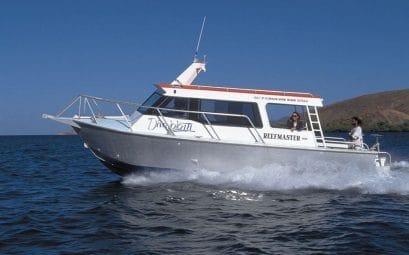
papua new guinea port moresby loloata island resort speedboat

Transportation

papua new guinea port moresby loloata island resort speedboatMost of Papua New Guinea is mountainous terrain. There are very few private cars and the most popular way to travel around is by public motor vehicle. Traveling is very cheap but the only drawback is these vehicles are very crowded.

Finding these public vehicles are relatively simple. You just have to turn up at the spot. The vehicle will usually wait till it is full and they won’t move for you or anyone. Some places are covered only once a day especially the rural areas. So make sure that you know when the transport is arriving (or leaving). Otherwise, you will be stuck for another day.

Traveling at night is not recommended in Papua New Guinea. But if you do need to travel at night, do so with people you trust. Women should sit with other women and must get in from the front of the bus. This is the convention. Sometimes, seats are reserved for women. If there is one and if there is a man sitting on it, you can ask the conductor to help you procure that seat.

Usually, there will be two staff members on the private vehicles – the driver and the conductor. You have to pay the fare to the conductor. Sometimes, he won’t give you the change back instantly. Don’t forget to ask it from him, when the journey ends or when you have reached the stop.

papua new guinea port moresby

Social Life and Culture

papua new guinea port moresbyPapua New Guineans are known for their wood carvings. The carvings are usually of animals and plants because the Papua New Guineans believe that the creatures were their ancestors at one time. The country also has a very old tradition of visual arts.

Christianity is the major religion (96% of the people identify with one or the other branch of Christianity) on the islands but it is very animistic. Papua New Guineans have created their own special brand of Christianity, infused with tribal elements, therefore, ritual dances and local festivals are very popular.

Your best chance of catching some nightlife is in Port Moresby. Be careful, however, because Port Moresby is known for violence. Women tourists should never travel alone to these places at night. There are many clubs in Port Moresby which are popular with foreign tourists such as Club 69, Aero Bar, Planet Rock and Aviat Club. If you want to shop, your best chances are in the provincial centers, especially Port Moresby where is the most westernized. Of course, you can buy local handicrafts and souvenirs almost everywhere on Papua New Guinea.

Gambling is legal in Papua New Guinea. The locals are discouraged from gambling so don’t be surprised if the casinos have hefty entry fees. There are casinos in nearly all Papua New Guinea provinces so wherever you go, you will always be close to a casino.

Papua New Guinea’s Food & Beverage

The staple diet of Papua New Guinea consists of tubers, yams and taro; basically a number of starchy vegetables. The major livestock in Papua New Guinea is the pig, so pork is the most common meat. Still, meat makes a miniscule portion of the average Papua New Guinean’s diet and it is cooked only on special occasions. People living near the coast have a preference for seafood.

Papua New Guineans are have something called ‘Melanesian time’, which means things will be done in their preferred timing therefore if you go to a restaurant, expect to be served late. If local food does not agree with you, there are other western options available in the capital. Food is relatively cheap in Papua New Guinea and should you get to know some locals, they might even invite you home for a home cooked meal.

Alcohol is expensive in Papua New Guinea though if you are willing to pay, you can procure almost any type of alcohol here. The local favorite is SP Lager or South Pacific Lager. Many Australian and New Zealand brands (of alcohol) are also available.